Bahamas: seasonal fruit and vegetable picking jobs on family-island farms
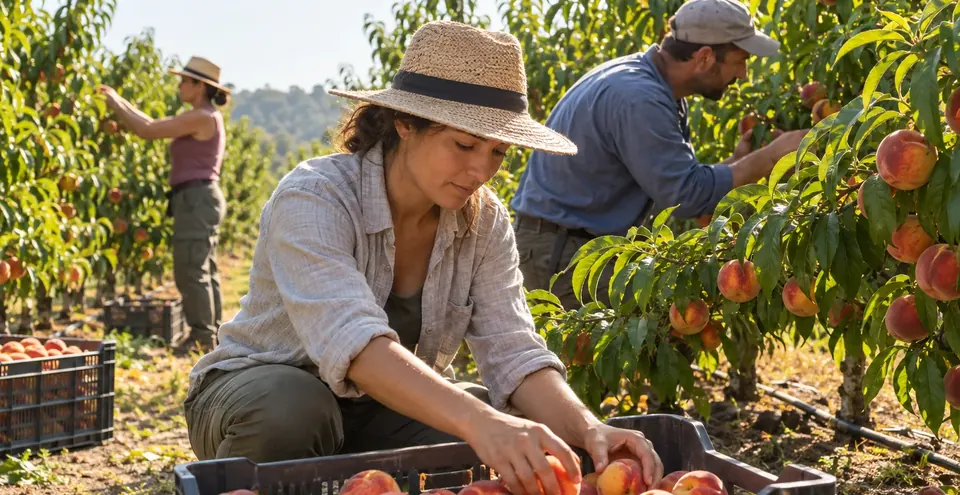
In the Bahamas, seasonal fruit and vegetable picking jobs are few and small in scale, because the islands have thin rocky soil, limited fresh water and a food supply that depends heavily on imports. Farming nevertheless exists on Andros, Abaco, Eleuthera, Cat Island and Grand Bahama, where growers produce pineapples, citrus, tomatoes, peppers, bananas and vegetables for local markets. Work is usually arranged directly with farm owners, paid by the day or by the task, and open mainly to Bahamians and residents. There is no organised harvest programme for foreign pickers.
A farming landscape of pockets
Much of the archipelago consists of low limestone islands where soil collects in pockets of rock, called pot-holes, and where rainfall is irregular. Farmers cultivate these patches with fruit trees and vegetables, and larger tracts of better land exist on Andros, which is the largest island and has the most open ground. Abaco and Grand Bahama hold the commercial citrus and vegetable operations that were once more extensive.
Eleuthera is known for its pineapples, which are sweet and small and celebrated each June at the Pineapple Festival in Gregory Town. Growers there harvest by hand in the early summer and sell at roadside stands and to Nassau markets. Tomatoes, cabbages, onions, peppers, pumpkin, cassava and sweet potato are grown on other islands, and families keep backyard trees of mango, papaya, guava, sapodilla and sugar apple.
The winter vegetable season is the strongest period for field work, because the cooler, drier months suit tomatoes and leafy crops. Summer is hot and humid, and rainfall interrupts planting and harvesting. After storms, farms can lose entire plantings of bananas and papaya, which makes agricultural income uncertain and keeps hiring small.
Food policy influences the demand for farm labour. The government has encouraged local production to reduce the import bill, and hotels have been urged to buy more local produce. Progress is gradual, since farms need water, capital and reliable transport to the market, and storms can wipe out a year of work.
| Crop | Main island areas | Approximate harvest period |
|---|---|---|
| Pineapple | Eleuthera | Late spring to summer |
| Tomatoes and peppers | Abaco, Andros, Eleuthera | Cooler months from late autumn |
| Citrus and bananas | Abaco, Andros, Grand Bahama | Varies, some fruit all year |
| Mango, papaya, sapodilla | Backyards across the islands | Early summer for mango |
Daily tasks and conditions
Typical tasks include picking, cutting, washing, grading and packing, as well as weeding, planting, irrigating and carrying crates to a pickup truck. Days begin at dawn and finish by early afternoon to avoid the heat. The work is physically hard, with bending, lifting and exposure to sun, insects and thorny plants such as pineapple leaves.
Because holdings are small, the workforce is usually the farmer's family plus a few hired hands. Payment is often agreed by the day, by the crate or by the task, and varies with the crop and the market price. There is no standard rate for pickers, so confirm the amount and the schedule of payment before you begin.
Protective gear is essential: long sleeves, a hat, strong gloves, boots and plenty of water. Ask whether pesticides are applied, and avoid handling them without training. Injuries should be reported to the farmer, and workers who feel unwell in the heat should stop, rest and drink water.
Skilled tasks matter more than casual picking. Grafting fruit trees, operating drip irrigation, preparing seedbeds, managing compost and handling a tractor or small truck are valued, and a worker with these skills may be kept on for the whole season. Learning from experienced farmers on a small plot is an excellent way to start.
Government support and local markets
The Ministry of Agriculture and Marine Resources provides extension advice, and the Bahamas Agricultural and Industrial Corporation, known as BAIC, has supported farmers, packing houses and small manufacturers. Farmers sell at markets such as Potter's Cay in Nassau, where fresh produce, fish and conch are traded from boats and stalls, and increasingly to hotels that seek local ingredients.
Some farms have moved to greenhouses and hydroponics, which use less land and water and can supply restaurants all year. These operations hire people for planting, harvesting, packing and delivery, and they offer steadier schedules than field picking. Skills in irrigation, plant care and food safety are valued.
Fishing and marine harvests complement the farm calendar. The spiny lobster season runs from August to the end of March, and conch is harvested under rules on size and quantity. Many families combine crop work with fishing, so an unfamiliar person seeking jobs may find that the most regular work is on boats rather than on land.
Cat Island, Long Island and San Salvador have small farms with traditions of mixed cropping: corn, peas, beans, cassava, sweet potato and fruit trees. Much of this production is for family use, and surplus is sold in settlement markets. Visitors may be welcome as guests, but paid work is limited.
Permits, housing and safety
Non-citizens need a work permit for any paid job, including agriculture, and permits for unskilled farm labour are rarely given because local labour is preferred. Anyone told that a farm in the Bahamas can arrange entry for pickers should ask for documents from the Department of Immigration before spending money.
Housing is seldom provided. Farm workers usually live in nearby settlements and travel by pickup or on foot. On Andros and Abaco, distances are large and public transport is limited, so arrange transport at the start. Remote farms may lack electricity or running water, so check the conditions in advance. Storms matter. The northern islands suffered severe damage from Hurricane Dorian, and rebuilding of farms was slow. Employers should have a plan for protecting workers and equipment, and workers should follow guidance from the national emergency agency.
Credit and cash flow are tight on small farms, so payment may be delayed until produce is sold. Agree terms clearly, and avoid arrangements in which you are paid only in produce unless that is what you want. A modest, honest agreement in advance prevents conflict later.
Fishing families sometimes offer the most reliable seasonal income in the Bahamas for those with no farm experience: helping to clean conch, pack lobster tails or load boats at a settlement dock pays by the piece or by the day, and the work follows tides and weather rather than a calendar. Ask local residents who the trusted buyers and packers are before offering your help.
Frequently asked questions
Is there a fruit-picking season for visitors?
No. There is no seasonal harvest scheme for foreign visitors, and farm jobs are scarce. Pineapple time in Eleuthera and the winter vegetable months bring short periods of work, mainly for locals and residents. Anyone with a real interest in farming would do better to contact the Ministry of Agriculture and Marine Resources about training and local opportunities, rather than hoping to arrive and pick.
How much do farm jobs pay?
There is no published rate for pickers. Pay is agreed between the farmer and the worker, and it depends on the crop and the hours. The minimum wage and labour law apply, so ask the Department of Labour if you are unsure about what is fair.
What should I bring to a farm job?
A hat, sun cream, long clothes, boots, gloves and a refillable bottle for water are the minimum. Bring snacks and a small first-aid kit, since shops can be far away, and carry identification in case of questions about your right to work.
Where to find these jobs
- Ministry of Agriculture and Marine Resources, Bahamas — Government ministry responsible for crops, livestock, fisheries and extension services that support farmers and growers in the islands.
- Bahamas Agricultural and Industrial Corporation — Public corporation that supports farmers and small manufacturers with facilities, training and marketing of local agricultural products.
- Department of Labour, Bahamas — Government department that explains employment rules, minimum wage and complaints procedures for farm workers and other employees.
- Caribbean Agricultural Research and Development Institute — Regional research institute offering technical advice, training and information to Caribbean farmers, including growers in the Bahamas.
Official and legal references
- Government of The Bahamas — Official government portal with ministries, legislation and public services, including agriculture, immigration and labour information for residents and employers.
- Food and Agriculture Organization of the United Nations — United Nations agency publishing English-language information on agriculture, food security and small island farming in the Caribbean region.