Bolivia: seasonal jobs and temporary work opportunities in the Altiplano, the valleys and the lowlands of Santa Cruz
In Bolivia, seasonal jobs and temporary work opportunities depend on the contrast between the high Andean plateau, the temperate valleys and the tropical lowlands. The sugarcane harvest and agribusiness of Santa Cruz, the dry-season tourism of La Paz, Uyuni and Lake Titicaca, and the festival calendar of Oruro, La Paz and Cochabamba create short contracts. The General Labour Law and later decrees set the framework, but informal work is widespread, so written agreements and verified employers matter greatly for every worker.
This page in other languages : Español
A calendar shaped by altitude and rain
Bolivia has two broad seasons rather than four. The dry season runs from roughly May to October and brings clear skies, cold nights on the Altiplano and the peak of tourism, while the rainy season from November to March fills rivers, turns the lowlands green and slows travel on rural roads. These seasons decide when guides, drivers, hotel staff and harvest crews are needed in each region.
In the east, the zafra, or sugarcane harvest, takes place from about May to November around Montero, Santa Cruz de la Sierra and Bermejo in Tarija, and soy, sunflower, rice and sorghum have their own cycles in Santa Cruz department. In the Yungas valleys near Coroico and Caranavi, coffee, citrus and bananas provide work, while in the Chapare, bananas and pineapples are packed for the market.
Culture adds peaks of work. The Carnival of Oruro, in February or March, draws tens of thousands of visitors, the Gran Poder parade in La Paz comes in May or June, and Urkupiña in Quillacollo near Cochabamba is celebrated in August. Hotels, restaurants, transport companies, costume makers and security services hire extra staff, and the Day of the Dead and Christmas season produce smaller surges.
Region by region, the picture is very different. La Paz and El Alto combine government offices, commerce and tourism, Cochabamba is known for food and fairs, Santa Cruz is the economic engine with farms and services, and Sucre and Tarija blend heritage tourism with wine. The Beni and Pando lowlands depend on ranching, Brazil nuts and river transport, and the far south around Tupiza and Uyuni offers desert landscapes.
| Period | Typical seasonal work | Main areas |
|---|---|---|
| May to November | Sugarcane harvest, coffee picking, tourist guiding | Santa Cruz, Yungas, Uyuni, La Paz |
| February to March | Carnival hospitality, grape harvest | Oruro, Tarija |
| March to June | Quinoa and potato harvest on the plateau | Potosi, Oruro, La Paz |
| December to March | Brazil nut gathering, rainy-season farm work | Pando, Beni, Riberalta |
Main sectors that hire
Agriculture and agribusiness employ the most people in seasonal contracts. Large farms in Santa Cruz hire machine operators, field workers and packers, while family plots in the valleys of Cochabamba, Tarija and Chuquisaca use relatives and neighbours. In the north, the Brazil nut harvest around Riberalta and Cobija occupies thousands of families during the rainy months, and processing plants hire shellers, mostly women.
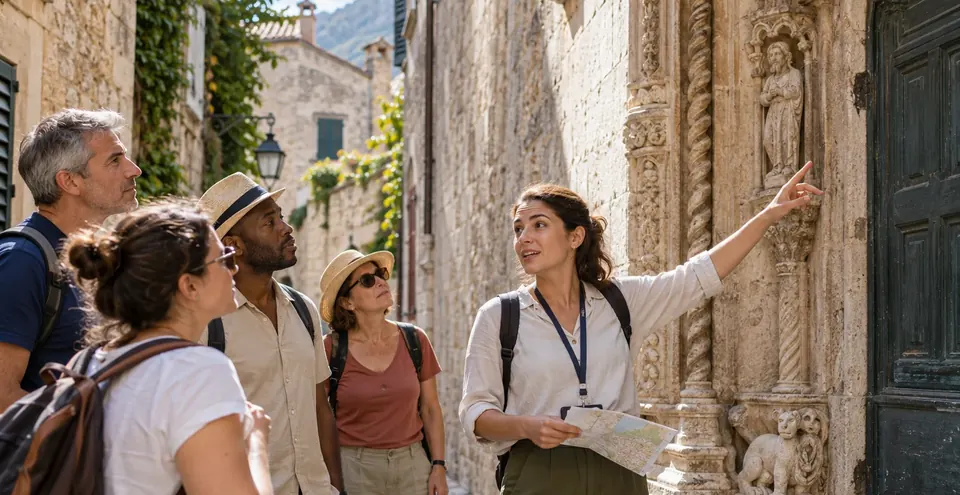
Tourism has grown around the salt flats of Uyuni, the Sun Island on Lake Titicaca, the colonial city of Sucre, the silver mountain of Potosi and the Amazon lodges of Rurrenabaque. Guides, drivers, cooks, hostel receptionists and boat crews are in demand from May to October. Wine routes near Tarija and the Cochabamba valleys also receive weekend visitors, and food street vendors multiply near festivals.
Construction, mining services and commerce also hire temporarily. Cities such as El Alto, La Paz, Cochabamba and Santa Cruz grow quickly, and building projects use workers on short contracts. Retail shops and markets such as La Cancha in Cochabamba recruit extra sellers before Christmas and school openings. Many of these jobs are informal, which makes careful questions about pay and insurance essential.
Legal basics for workers
The General Labour Law and its regulations recognise written and oral contracts, set maximum working hours of eight a day and forty-eight a week, and give workers rights to paid rest, health insurance through the national fund and a Christmas bonus known as aguinaldo. A worker who stays beyond the trial period should receive social security registration. Employers who ignore these rules can be reported to the Ministry of Labour, and a worker who documents hours and pay will be in a stronger position.
The minimum wage is set periodically by the government, and sector rules or agreements may add conditions. Adolescents from fourteen may work only with authorisation, in light tasks and with shorter hours, and they must continue school. Women have protection during pregnancy and breastfeeding. Because decrees change, workers should check the current amounts and rules with the Ministry of Labour before agreeing to terms.
Foreign nationals generally need a residence status or a temporary work permit processed through the Migration Directorate and the Ministry of Labour. A tourist stay does not allow paid work. Some nationals of neighbouring countries benefit from regional agreements, but they still need proper registration. Anyone who plans a seasonal job should ask the embassy and the employer in writing about permits and fees before travelling. Keep every reply, because a written record is the best proof if the employer later changes the conditions or denies what was promised.
Finding work and avoiding problems
Public employment offices exist in the main cities, and municipalities and universities publish vacancies. Private job pages and social media groups list hotel, agricultural and tourism posts. In rural areas, hiring happens through relatives, community leaders or contractors who gather crews for the harvest. Agencies and contractors should not charge workers for placement, and anyone asking for money in advance should be avoided.
Ask about the essentials in advance. A serious employer states the place of work, the daily or monthly pay, the schedule, food and housing arrangements and who covers transport. Check altitude and climate: La Paz and Uyuni lie above three thousand metres, so newcomers should acclimatise for a few days and avoid heavy work at first. In the lowlands, heat, humidity and insects require preparation.
Keep documents safe and make copies. Do not hand over your passport or identity card to a contractor. Agree on how and when you will be paid, ask for a receipt or a written note of the days worked, and know where the nearest health centre is. Labour disputes can be raised with the departmental labour inspectorates, and unions in sectors such as sugar can also advise members.
Questions about seasonal work in Bolivia
Which months are best for work in tourism?
The dry months from May to October are the busiest for Uyuni, Lake Titicaca, Sucre and the Amazon lodges, and December to February can also be active for domestic holidays. Operators recruit guides and drivers from March or April. If you want a place, contact agencies early, show your languages and certificates and be ready to start before the first groups arrive.
Can a foreigner pick up a seasonal job?
Only with the right legal status. Tourist entry does not allow paid work, and those who work informally risk fines and loss of rights. Employers wanting to hire a foreigner must prepare documents, and the worker must obtain a residence or work permit. Contact the Migration Directorate and your embassy before accepting any offer, and never rely on promises made by a third party.
Is accommodation provided on farms?
Often yes in the sugar harvest and large farms, where camps or dormitories exist near fields, but conditions differ. Visit if possible, check beds, water, toilets and meals, and ask who pays for them. In family farms, workers may sleep in simple rooms. Agree in advance whether deductions will be made, and never accept a debt to the contractor as a condition of work.
Where to find these jobs
- Ministry of Labour, Employment and Social Security — National ministry that regulates labour relations, minimum wage, inspections and workers' rights and handles complaints from employees.
- Migration Directorate of Bolivia — Government agency that manages entry, residence and work permits for foreigners and publishes the procedures to follow.
- Eastern Agricultural Chamber (CAO) — Association of farmers and agribusiness firms in Santa Cruz that represents employers in the sugar, soy and livestock sectors.
- National Chamber of Commerce of Bolivia — Business association that represents employers in commerce, services and tourism and offers information and training to companies.
Official and legal references
- International Labour Organization — United Nations agency that publishes English-language standards and country information on labour rights, wages and decent work including for Bolivia.
- Embassy of Bolivia in the United States — Diplomatic mission providing English-language information on Bolivia, consular services, visas and official contacts for visitors and workers.