Malta: seasonal jobs and temporary work opportunities on the islands
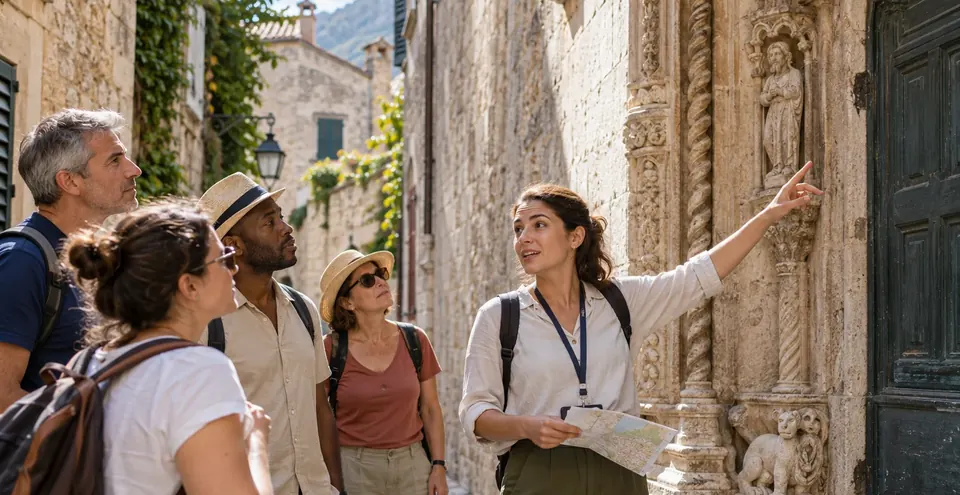
In Malta, seasonal jobs and temporary work opportunities revolve around a tourism year that peaks from May to October and never fully stops. Hotels, restaurants, beach clubs, dive centres, language schools and boat operators take on extra staff for the hot months, while farms on Malta and Gozo need hands for potatoes, grapes and olives. Citizens of European Union states may work freely, whereas other nationals need a single permit tied to an employer. Contracts, minimum pay and registration with the national employment agency are strictly regulated across the archipelago.
A Mediterranean year in three tempos
The Maltese archipelago, made up of Malta, Gozo and tiny Comino, enjoys hot, dry summers and mild, wet winters. From June to September, sunshine is almost constant and the sea is warm enough for swimming well into October. December to February bring rain, wind and cool evenings, though snow is unknown. Spring and autumn, with pleasant temperatures, form long shoulder seasons that attract walkers, divers and cultural visitors.
Tourism follows the same pattern. The beaches of Mellieħa, Golden Bay and Ġnejna, the nightlife of Paceville, and the waterfront promenades of Sliema and St Julian's are at their liveliest between May and October. The festa season, when each parish celebrates its patron saint with bands, fireworks and processions, runs through the summer and brings extra work to caterers, stage builders and musicians.
Winter is not dead. Cruise ships dock in Valletta's Grand Harbour throughout the year, language students arrive in autumn and spring, conferences fill hotels in the cooler months and Christmas and Carnival draw crowds. Many hotels reduce staff in January and February, but several remain fully open. A worker who plans for shoulder seasons can often string together contracts across ten or eleven months.
Daily life is influenced by size. Malta is one of the most densely populated countries in the world, so commuting distances are short but traffic is heavy, and housing is expensive in St Julian's, Sliema and Valletta. Gozo is quieter, connected to the main island by the Gozo Channel ferry between Ċirkewwa and Mġarr, and offers a slower rhythm with its own hotels, farms and dive centres.
Sectors that hire for the season
Hospitality is the largest employer of temporary staff. Hotels in St Julian's, Sliema, Bugibba, Qawra, Mellieħa and Valletta need waiters, cooks, kitchen assistants, housekeepers, receptionists and bartenders. Restaurants along the Strand and in Marsaxlokk, Valletta and Gozo's Marsalforn hire extra servers for the summer rush. Many establishments employ people from other countries, and English is the working language in most workplaces.
Language schools and activity providers form a second pillar. Malta is a centre for English language teaching, and thousands of foreign students arrive in summer for courses combined with excursions, so schools recruit teachers, activity leaders, drivers and accommodation staff. Boat operators carry visitors to Comino's Blue Lagoon and around the coast, and dive centres in Cirkewwa, St Paul's Bay and Gozo employ instructors and boat crews.
Agriculture and food production offer smaller opportunities. Farms on the western side of Malta, around Mġarr, Siġġiewi and Rabat, and across Gozo harvest potatoes in spring, tomatoes and melons in summer, grapes in late summer and olives in autumn. Fishing and fish farming around Marsaxlokk and Gozo add seasonal tasks. Construction, facilities management and event services supplement the picture, as the islands renew hotels and public spaces.
| Period | Typical activity | Main areas |
|---|---|---|
| March to May | Potato harvest, hotel opening, language school recruitment | Mġarr, Mellieħa, St Julian's |
| June to September | Hotels, beach clubs, boat trips, festa events, grape harvest | Sliema, Bugibba, Comino, Gozo |
| October to December | Olive picking, cruise season, Christmas hotel work | Valletta, Gozo, Marsaxlokk |
| January to February | Carnival preparations, reduced hotel staffing, building works | Valletta, Nadur, St Paul's Bay |
Permits, contracts and registration
European Union, European Economic Area and Swiss citizens can look for work freely in Malta and take a job without a permit, though those staying beyond a short period must register their residence with Identità, the national agency for identity and residence. Employers register every engagement with Jobsplus, the public employment service, which also lists vacancies, offers career guidance and organises job fairs and training programmes across the islands.
Nationals of other countries generally need a single permit, an authorisation that combines residence and work for a specific employer, issued through Identità after the employer applies. A tourist visa does not allow paid work, and holders of a single permit cannot simply change jobs without permission. Because rules, quotas and processing times change, confirm each requirement directly with Identità and Jobsplus before you travel.
The Employment and Industrial Relations Act sets out the basics of Maltese employment law, including written terms, working time limits, paid leave, public holidays and protection against unfair dismissal. A statutory national minimum wage applies and is adjusted regularly through a cost-of-living mechanism. The Department of Industrial and Employment Relations answers questions and inspects workplaces, and trade unions also offer advice to members.
Short-term arrangements often use a fixed-term contract or part-time agreement. Ask for the contract in writing, check hours, rest days, overtime rates and whether accommodation is included. Beware of employers who offer cash-in-hand pay without a registered contract, since the worker loses social security protection and may face difficulty proving employment later when renting a flat or applying for a permit.
Searching, housing and practical tips
Vacancies appear on the Jobsplus portal, in hotel recruitment pages, in local newspapers such as Times of Malta and on online groups for workers in hospitality. Walking into restaurants with a CV in March and April is still a normal way to get an interview, and managers appreciate a polite approach and some knowledge of English. Recruitment agencies exist, but you should never pay a fee for a placement.
Housing is the greatest practical challenge. Rents rise in summer as workers and students compete for rooms, and many seasonal staff share flats in Sliema, Gżira, Msida, St Paul's Bay or Bugibba. Some hotels offer staff accommodation. Start searching early, avoid sending deposits to people you have not met and ask for a written rental agreement, because disputes over deposits are common.
Daily costs and transport need a plan. Public buses connect most towns, though they can be crowded in summer, and cards or apps reduce fares for residents and students. Taxis and ride-hailing apps are available but pricey. A bicycle suits flat coastal areas, and a scooter is popular. Pack sunscreen, a hat and light clothing, and carry a refillable bottle, because summer heat can be intense.
Learning a few Maltese phrases, such as bonġu for good morning, grazzi for thank you and kif int for how are you, earns warmth from customers and colleagues. Maltese and English are the two official languages, and Italian is widely understood. Visit local councils and parish events to meet neighbours, and respect customs around religion and festa celebrations, which are central to island life.
Frequently asked questions
Can EU citizens work in Malta without a permit?
Yes. Citizens of European Union and European Economic Area states and of Switzerland can take up employment without a work permit, but employers must register them, and longer stays require registration of residence with Identità. Always keep copies of your contract and your identity documents.
When should I start looking for summer jobs in Malta?
Hotels and restaurants often recruit between February and April for the season that starts in May. Language schools hire in spring, and some activity and boat operators hire later. Start earlier if you hope to secure accommodation, because affordable rooms vanish quickly.
Is it possible to work only for the summer?
Yes, fixed-term and part-time contracts for the season are common, especially in hospitality and activity work. Agree the start and end dates in writing, ask whether accommodation or meals are included, and confirm what happens if business is slow, since some contracts allow reduced hours.
Where to find these jobs
- Jobsplus — Malta's public employment service that lists vacancies, registers employment contracts and offers training, career guidance and job fairs.
- Identità Malta — National agency that handles identity documents, residence registration and single permits for non-EU workers employed in Malta.
- Department for Industrial and Employment Relations — Government department that explains employment law, inspects workplaces and mediates disputes between employers and workers.
- Malta Chamber of Commerce, Enterprise and Industry — Business organisation representing employers in tourism, services and trade across Malta and Gozo.
Official and legal references
- Government of Malta — Official government portal with information on employment, residence, public services and links to ministries and agencies.
- Jobsplus — Official public employment service with vacancy listings, guidance for jobseekers and information on registration and training.