Malta: seasonal hotel and restaurant employment opportunities in resorts and cities
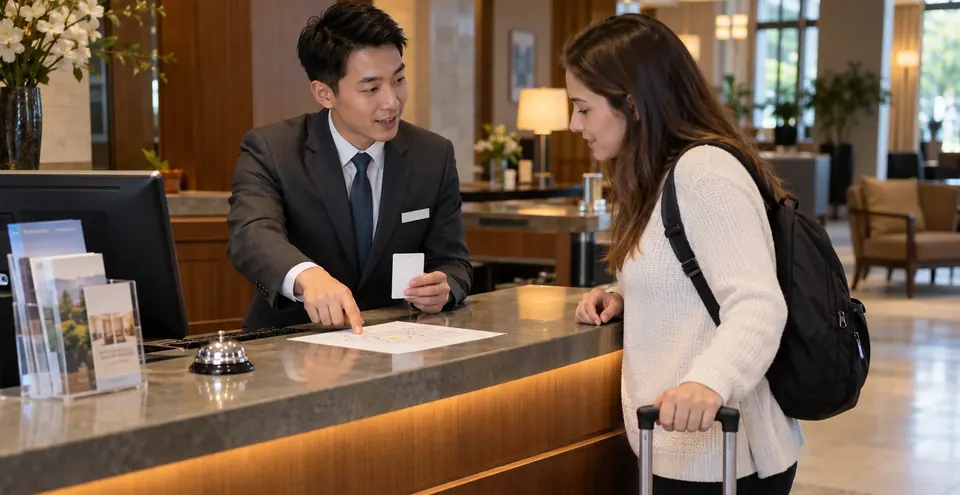
Malta has hospitality concentrated in resorts and cities, so seasonal hotel and restaurant employment is widespread in summer. St Julian's and Paceville form the nightlife and hotel hub, with large hotels along the bay and a dense concentration of bars, clubs and restaurants, while Sliema and Gżira offer waterfront restaurants. Jobs include waiting, bar work, kitchen tasks and reception, and languages are an advantage. Pay, contracts, hours, housing and daily life vary, and applicants ask many practical questions. Summer is the busiest period, and employers usually look for workers who can start quickly and stay for the whole season.
Malta seasonal hotel and restaurant jobs: where the work is
St Julian's and Paceville form the nightlife and hotel hub, with large hotels along the bay and a dense concentration of bars, clubs and restaurants. Sliema and Gżira offer waterfront restaurants and apartment hotels that cater to business visitors, students and long-stay guests. Valletta, a World Heritage city, combines boutique hotels in restored palazzos with cafés and fine dining restaurants that stay open late during summer festivals.
The north and west are traditional beach resort areas. Bugibba, Qawra and St Paul's Bay have many family hotels and all-inclusive packages, and Mellieħa offers large beachfront resorts near Għadira Bay. Many of these properties run at near capacity in July and August and cut staff afterwards, so seasonal contracts are frequent. Some hotels remain open year round and keep a core team while adding temporary workers.
Gozo has a distinct tourism market built on quieter villages, dive centres and farmhouse holidays. Marsalforn, Xlendi, Mġarr and the citadel in Victoria have restaurants and guesthouses that depend on summer and weekend visitors. Gozo restaurants often feature local ingredients, such as ġbejniet cheese, fresh fish and sun-dried tomatoes. Workers here should consider the ferry schedule, because late shifts can make crossing back to Malta awkward.
Cruise tourism feeds the sector too. When large ships tie up at Valletta's Grand Harbour, thousands of passengers walk into the old city for lunch, so cafés on Merchants Street and Republic Street hire extra servers on those days. Shifts can be short and unpredictable, tied to the shipping calendar, and are best suited to people who want flexible hours alongside another job or studies.
Jobs, languages and skills
Restaurants hire servers, runners, bartenders, cooks, pastry assistants and dishwashers. Waiters need to know the menu, handle several tables and communicate clearly with guests from many countries. Maltese cuisine mixes Mediterranean and North African influences, with rabbit stew, pastizzi, timpana and fresh fish such as lampuki, so staff who can explain dishes accurately stand out. Kitchen assistants learn quickly under a chef and can move up in a single season.
Hotel jobs add reception, concierge, housekeeping, banqueting and night audit roles. Receptionists must manage bookings, payments and complaints in English, and extra languages such as Italian, German, French or Russian open further options. Housekeepers work in teams with set room quotas. Banquet staff help at weddings, which are especially frequent from spring to autumn, and often work late hours with higher intensity.
Training is available locally. The Institute of Tourism Studies, known as ITS, runs courses for cooks, bartenders and front-office staff, and the Malta College of Arts, Science and Technology offers vocational programmes. Short certificates in food hygiene and responsible alcohol service are valued by employers. Experienced workers from other countries often arrive with qualifications that can be recognised, and Jobsplus can explain how to present them.
| Role | Busy period | Typical places |
|---|---|---|
| Waiter or runner | May to October, festa weekends | St Julian's, Sliema, Valletta |
| Cook and kitchen assistant | Summer peak and Christmas | Bugibba, Mellieħa, Gozo |
| Housekeeping and reception | July and August, school holidays | Hotels and apartments islandwide |
| Bartender and banquet staff | Evenings, weddings, events | Paceville, resorts, Gozo |
Pay, contracts and hours for seasonal hospitality jobs in Malta
All workers in Malta, including seasonal staff, are protected by the Employment and Industrial Relations Act and by sectoral rules for hospitality. A statutory national minimum wage applies, and the figure is updated according to legal notices, so confirm the current level with the Department for Industrial and Employment Relations. Contracts must state the hours, pay, duties and notice terms, and a pay slip should accompany each payment.
Hospitality work commonly includes split shifts, evenings, weekends and public holidays. Overtime and holiday work should be paid according to the contract and the law, and the working week has limits that employers must respect. Ask how rotas are organised, how breaks are handled and whether you are expected to cover for absent colleagues. Written rotas posted well in advance help workers plan travel and rest.
Tips are appreciated in restaurants and bars, but they are not guaranteed and depend on the clientele. Some establishments add a service charge and share it among the team, while others let waiters keep tips individually. Ask how tips are distributed before accepting a job. Do not rely on them to make up a low wage, particularly in the shoulder seasons when customer numbers drop.
Social security contributions are deducted through the payroll system, and employers register workers with the tax and employment authorities. Keep your payslips, tax documents and contract in a safe place, because they are needed for rental agreements, bank accounts and permit renewals. If an employer refuses to give a contract or pays late, contact the Department for Industrial and Employment Relations or a trade union.
Career steps are clearer than newcomers expect. A seasonal runner who shows speed and politeness can become a waiter the following year, a commis cook can move to a station chef, and a housekeeper can be promoted to supervisor. Maltese hoteliers value loyalty, and many offer returning staff priority at the start of the next season, sometimes with a slightly better contract.
Hiring, housing and daily life
Hotels recruit in the early months of the year for the summer, with big recruitment drives between February and April. Restaurants hire throughout spring and again in autumn for the Christmas and winter events. Apply with a one-page CV, a photograph if requested and references, and visit in person during quiet afternoon hours. Online job boards, hotel career pages and Jobsplus are all useful for spotting vacancies.
Staff accommodation is offered by some hotels, sometimes at a deduction from pay, but many workers share rented flats with colleagues. Prices are highest in Sliema, St Julian's and Valletta, while Marsaskala, Msida, Birżebbuġa or Mosta can be cheaper. Always view rooms in person, ask for a written agreement and check the deposit rules. Inform your landlord of your registered address when you apply for services.
Non-EU applicants need a single permit and a sponsoring employer before they can start work, and applications are handled through Identità. Employers recruiting from abroad must follow the process and cannot guarantee approval. Avoid agents who charge to find you a job, and be cautious about offers that seem too good. The Jobsplus website and the Government portal explain current requirements and approved procedures.
Health and safety are part of daily practice. Kitchens must follow food hygiene rules, workers handling alcohol must be of legal age and employers must provide a safe environment, including rest areas and protective equipment where needed. In summer, heat in kitchens can be extreme, so hydration and breaks are important. Report injuries immediately and ask whether the employer has accident insurance.
Frequently asked questions
Do I need to speak Maltese to work in a restaurant?
No. English is an official language and the working language in most hotels and restaurants. Maltese is a pleasant bonus for customers who are locals, and Italian is widely understood. Additional languages, such as German or French, can improve your chances at hotels that cater to those markets.
Is accommodation provided by Maltese hotels?
Some larger hotels provide staff accommodation, but many do not. Plan to rent a room on your own or share a flat with colleagues, and ask the employer about any support. Start the search before you arrive, and avoid paying large sums to people you have not met.
Are tips important in Malta?
Tipping is customary in restaurants and bars, often around ten percent for good service, but it is not obligatory and income varies. Treat tips as a bonus. Your contract and national employment rules, not gratuities, must be the basis of your pay.
Where to find these jobs
- Malta Hotels and Restaurants Association — Representative association of hoteliers and restaurateurs in Malta, offering information on standards, training and industry relations.
- Institute of Tourism Studies — Public college in Malta that trains cooks, waiters, bartenders and front-office staff for the hospitality sector.
- Jobsplus — National employment service that lists vacancies in hotels and restaurants and registers employment contracts for all workers.
- Malta Tourism Authority — Public body promoting Malta as a destination and regulating accommodation and tourism-related businesses on the islands.
Official and legal references
- Visit Malta — Official tourism portal of the islands with details of destinations, accommodation, events and seasonal tourism information.
- Jobsplus — Official public employment service with vacancy listings and guidance for jobseekers across Malta and Gozo.