Cuba: seasonal fruit and vegetable picking jobs in cooperatives, state farms and family plots
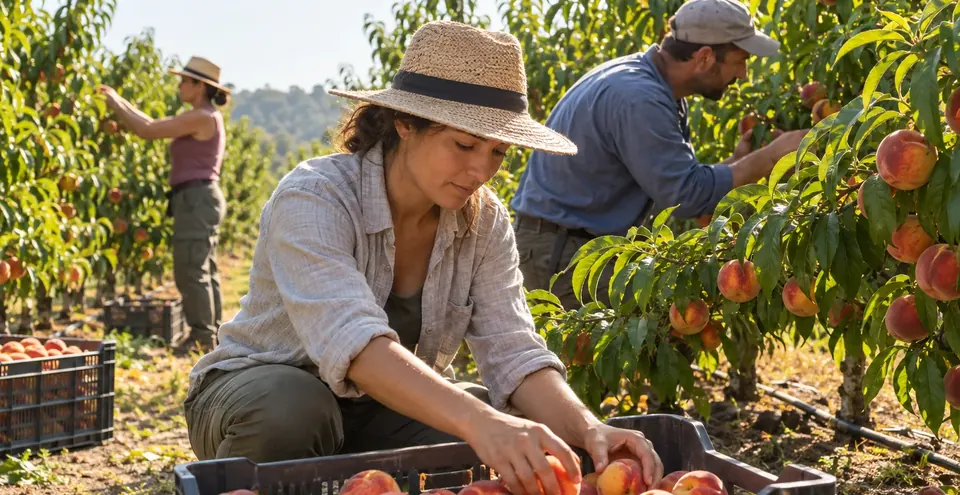
Cuba has a long agricultural tradition, and seasonal fruit and vegetable picking jobs exist in cooperatives, state farms and family plots. The cold campaign from roughly October to March favours tomatoes, peppers, cabbages and other vegetables, while fruit harvests follow other months. Work is mostly done by Cuban workers organised through state structures, and wages are low. Foreigners have very limited opportunities and must respect strict rules, so harvest work on the island is not a realistic option for most visitors.
Seasonal fruit and vegetable picking in Cuba: crops and calendars on the island
Cuban farmers speak of a cold campaign, the months from roughly October to March when cooler weather favours vegetables such as tomatoes, peppers, cabbages, lettuce, onions and cucumbers. Plots near Havana, Artemisa and Mayabeque supply city markets, while Ciego de Avila, Sancti Spiritus and Camaguey grow vegetables and root crops like malanga, yucca and sweet potato. Beans and corn are staples with their own schedule.
Tropical fruit follows a mid-year pattern. Mango ripens roughly from late spring into summer in many provinces, and guava, papaya, pineapple, banana and plantain are picked in different months. Citrus comes from Isla de la Juventud, Matanzas and Ciego de Avila, where orchards were developed for export decades ago. Fruit that cannot be sold fresh is often processed in small factories, creating temporary jobs for sorting and packing.
Specialist crops have their own windows. Tobacco is planted in the autumn in Pinar del Rio, handled leaf by leaf in the first months of the year, and then hung in drying barns. Coffee is gathered by hand in the Sierra Maestra, Escambray and Guantanamo mountains in the later part of the year. Sugarcane is still cut, mainly on dry-season schedules, but it is not a fruit or a vegetable.
Urban and suburban agriculture is a feature of Cuban life. Organoponicos, raised-bed gardens in cities such as Havana, Camaguey and Santiago, grow lettuce, herbs, tomatoes and vegetables for neighbourhood sale. Workers in these gardens plant, water and harvest throughout the year, but the busiest weeks follow the cooler months. These short, local jobs are typical of how seasonal work is organised in Cuba.
Farm work can be an entry point for people with little formal education, but it also attracts agricultural technicians and university graduates who supervise crops, manage seeds and advise cooperatives. Research stations and training schools in provinces such as Mayabeque, Artemisa and Villa Clara teach soil care, irrigation and organic methods. Seasonal workers who learn these skills often move on to more stable posts as foremen or technicians.
Tasks, pay and who does the work
Pickers use baskets, sacks or crates, cut or twist produce from plants, and carry loads to collection points where it is weighed or counted. Women and men carry out sorting and packing, and young people often take part in local harvest drives. Work begins early to avoid midday heat, and breaks are taken in shade. In the cold campaign, planting and irrigation come before picking.
| Crop | Typical area | Main tasks |
|---|---|---|
| Tomato and pepper | Artemisa, Mayabeque, Ciego de Avila | Picking, grading, crating |
| Tobacco | Pinar del Rio | Leaf harvesting, stringing, drying |
| Mango and guava | Central and eastern provinces | Hand picking, ladder work, sorting |
| Citrus | Isla de la Juventud, Matanzas | Picking, loading, packing |
| Coffee | Sierra Maestra, Escambray | Hand harvesting and drying |
Employment is organised through state enterprises, cooperatives called UBPC or CPA, and individual farmers who rent land. Payment is arranged by the entity, and may be per day, per quantity picked, or a share of the harvest, plus access to produce for personal consumption. Because currency and market conditions are complex in Cuba, a worker should clarify exactly how and when payment occurs and keep a written note.
Sometimes workers from towns are mobilised for harvest campaigns, and students may join agricultural activities as part of their education. Rural communities contribute their own labour, and many families grow food in backyard plots. Opportunities for outsiders are limited by regulations, so the realistic way to learn about Cuban agriculture is through official cooperation programmes or organised agricultural visits.
Packing and processing add tasks beyond harvesting. Fruit is sorted for size and ripeness, damaged pieces are removed, and boxes are loaded for markets or processing plants that make juice, jam and canned vegetables. In tobacco country, workers string leaves, hang them in curing barns and later sort them by colour and quality. These jobs demand careful hands more than speed, and experience brings a better position.
Housing, health and conditions for seasonal farm work in Cuba
Most pickers live in nearby villages and return home each day. Cooperatives sometimes provide basic lodging in field camps during intensive harvests, such as coffee gathering in the mountains, with shared meals. Conditions vary a lot, and it is wise to ask about water, bedding and toilets in advance. Visitors in agritourism programmes stay in guesthouses or eco-lodges instead.
Heat, humidity and mosquitoes are constant features, and the risk of dengue and other fevers rises in the rainy months. Wear a hat and long sleeves, drink safe water and use repellent. Agrochemicals are limited by supply, but when they are used, workers should receive gloves and instructions. Medical clinics exist in most rural areas, and the national health system provides care to residents.
- Carry water and a rain poncho
- Keep your documents in a waterproof bag
- Agree payment terms before starting
- Ask about transport back to the village
Safety and legality are linked. Workers who suffer an accident should report it at once to the employing entity so that it can be documented, and cooperatives have union and committee structures through which concerns are raised. Foreign volunteers should operate only under agreements recognised by the Cuban authorities.
Transport can be slow. Distances between towns and fields are covered by shared trucks, horse carts, bicycles or on foot, and fuel shortages sometimes limit machinery. Workers should expect to start from the village and to carry tools and food with them. Cooperatives often arrange pickup points, and on large harvest days the whole community may travel together.
Frequently asked questions about harvest work in Cuba
Can a tourist pick fruit in Cuba?
Not as paid work. A tourist card does not authorise employment, and farms follow state or cooperative arrangements. Some visitors take part in agritourism, visit coffee or tobacco farms and try picking for a day as an activity. These experiences are organised with local guides and do not constitute regular employment.
What is the best season for vegetable work?
The cooler dry months, roughly October to March, are the main time for vegetables and tobacco. Fruit such as mango is picked in the hotter months. Cuban farmers decide planting dates according to rainfall and temperature, so ask the local cooperative for its specific calendar before planning a visit.
Is harvest work paid well?
Pay depends on the type of employer and the arrangement. State workers receive wages under national scales, while cooperative members share in results, and private farmers negotiate with their helpers. Access to food from the farm can be an important benefit. Ask for exact terms and keep a record of days worked.
Risks and rights should be understood before work begins. Cuban labour rules require safe conditions, rest days and compensation for accidents, yet practice depends on the entity. Workers can speak to their union section, ask the municipal labour office for guidance or report a serious problem to the local authorities. Keeping simple notes about hours, tasks and payments will help if a question arises later.
Where to find these jobs
- Asociacion Nacional de Agricultores Pequenos — National association of small farmers that represents cooperatives and family producers across Cuba
- Instituto de Investigaciones de Viandas Tropicales — Agricultural research institute that supports root crop and vegetable production with technical advice