Samoa: seasonal hotel and restaurant employment opportunities in Apia, Upolu and Savai'i
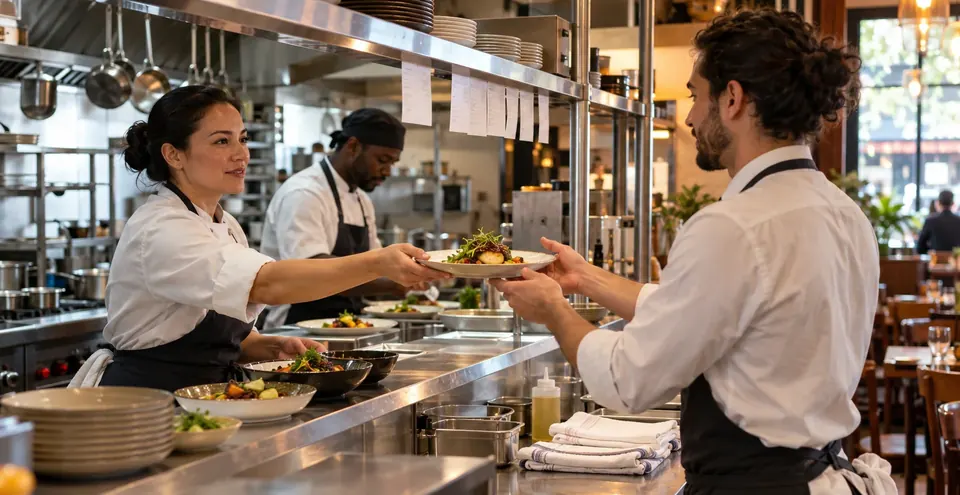
Samoa offers seasonal hotel and restaurant employment opportunities mainly in Apia, along Upolu's southern coast and on Savai'i, where resorts, beach fales, guesthouses and cafés expand their teams during the drier months from May to October. Typical roles include waiters, cooks, kitchen hands, housekeepers, receptionists and bartenders, plus performers at fiafia nights. Many posts are small, family-run and filled by relatives or villagers. Foreigners require immigration approval tied to a named employer, so such work is mainly realistic for skilled staff rather than casual visitors.
When and where hiring happens
The dry months from May to October are the high season, and managers confirm staffing in the preceding weeks. Hotels on the north coast of Upolu, within reach of Apia, run year-round but add shifts for tour groups, wedding parties and sports delegations. Along the south coast, around Lefaga, Aleipata and Lalomanu, beach fales and small resorts experience stronger seasonality, with some closing or reducing service when weather turns.
On Savai'i, accommodation is more dispersed. Guesthouses and fales near Manase, Satuiatua and the lava coast serve travellers who come for blowholes, craters and quiet villages, and the ferry arrival at Salelologa creates demand for transport and meals. These businesses often hire family members or neighbours, and the jobs mix cooking, cleaning, driving and welcoming guests in a single day.
Peak periods outside the dry season include school holidays, the Teuila Festival in September, Independence celebrations in June and the Christmas and New Year period, when overseas Samoans return to visit relatives. Restaurants and hotels in Apia schedule extra staff for these weeks. Cyclone warnings can interrupt bookings in the wet season, so permanent staff are favoured and seasonal staff are usually the first to lose hours.
Hiring is also shaped by the arrival of sea and air links. Flights land at Faleolo International Airport west of Apia, the inter-island ferries run between Upolu and Savai'i, and cruise calls or charter groups occasionally bring large numbers of guests to Apia for a day. Restaurants near the waterfront and the market area prepare for these arrivals with extra cooks and servers, usually on a day-to-day basis and arranged by phone shortly before the ship docks.
Roles and the Samoan way of service
Kitchens need cooks who can prepare fresh fish, chicken, pork, taro, breadfruit and coconut-based dishes, as well as international menus for guests. Umu, the earth oven, is used for the Sunday feast and for resort cultural evenings, so cooks who can manage it earn respect. Dining staff must serve with courtesy, and bar staff mix tropical drinks and serve Vailima beer and kava in appropriate settings.
| Role | Typical season | Main zones |
|---|---|---|
| Waiter or waitress | May to October | Apia, south coast resorts |
| Cook and kitchen hand | May to October and wedding peaks | Apia hotels, fale lodges |
| Housekeeper | Dry season | Upolu south coast, Savai'i guesthouses |
| Receptionist | Dry season and festival weeks | Larger hotels in Apia |
| Fiafia performer | Evenings, higher in dry season | Resorts and cultural venues |
Service in Samoa is shaped by fa'a Samoa. Staff are expected to be modest, patient and warm, to avoid raised voices and to respect elders and visiting dignitaries. Tipping is not traditionally expected, and in many places a guest's gift is accepted graciously but not requested. Workers who enjoy hosting rather than hurrying thrive in the relaxed pace of village lodges and small hotels.
Languages matter. English is used with guests and in management, while Samoan is spoken in kitchens and staff rooms. Visitors come from New Zealand, Australia, American Samoa and the Pacific diaspora, and knowledge of Samoan customs adds value. Presentation, punctuality and hygiene standards are expected, and certificates in food safety or tourism from local training institutions strengthen a candidate.
A typical day in a kitchen or dining room begins early. Breakfast service starts around dawn for guests heading to the sea, lunch focuses on fresh fish, salads and island dishes, and dinner often includes a cultural show with an umu feast. Staff move between roles during quiet hours, folding napkins, preparing coconut cream, scraping taro and cleaning. Teamwork and flexibility are valued, and a willingness to learn recipes from older cooks wins respect.
Pay, housing and daily life
Pay depends on the employer and the role, and amounts should be confirmed in writing rather than assumed. Small family lodges may offer a modest wage plus meals and a place to sleep, while larger hotels run payroll systems with deductions for the National Provident Fund. Ask about overtime, Sunday work and public holidays, since the Samoan calendar includes several celebrations and most services close on Sundays.
Housing is commonly arranged through family and village networks. Hotels in Apia may help staff find rooms in Vaitele, Vaimea or Vailima, and workers at fale lodges often live nearby in the same village. Transport relies on buses and taxis, and late shifts can be difficult without a ride. Ask whether the employer provides a lift and who pays for it.
Daily life has its own rules. Villages may impose an evening prayer time called sa, during which noise and movement are limited, and visitors should observe it. Dress codes are conservative outside the resorts, and swimming in a village area may require permission from the family or the council. Employers who explain these customs early help newcomers avoid awkward moments.
Meals are an important part of working conditions. Many lodges provide staff meals of rice, taro, fish or chicken, and this can offset lower wages. Some employers provide uniforms in the form of a lavalava, the wrap garment, and a shirt in the lodge colours. Ask what is provided, and whether any items must be returned, so that no deduction surprises you at the end of the contract.
Permits and workers' rights
A foreign worker needs permission before starting a job, and the application is usually made by the employer to the immigration authority. Posts that require specialised skills have a better chance than entry-level roles that Samoans can fill. Citizens of Samoa have full rights, and employers must keep records of wages and contributions. A worker should keep a copy of any approval, contract and payslip.
Labour legislation governs hours, leave, safety and dismissal, and the Ministry of Commerce, Industry and Labour handles complaints. Workers who experience unpaid wages or unsafe conditions can contact the ministry and the Samoa Chamber of Commerce can guide employers on good practice. Training programmes through national institutions help staff move from casual roles to supervisory posts.
Training and advancement exist for those who stay. A kitchen hand who learns the grill may become a cook, a receptionist who handles bookings can move into reservations, and a fale host who guides well may become a tour leader. Because the hospitality sector is small, reputations travel fast, and a reliable worker who is recommended by one lodge manager will often be contacted by others when a vacancy opens.
- Ask for the employer's registered name and a written contract before you leave home.
- Bring references from hotels or restaurants and certificates in food safety or first aid.
- Learn the rules for Sunday trading and public holidays, as they affect rosters and pay.
Frequently asked questions
Do beach fales hire outsiders?
Most fale lodges are run by families and employ relatives first. Outsiders may find work as helpers, cooks or boat hands if they build trust, but a foreigner still needs lawful permission. Offers of work in exchange for lodging should be put in writing and checked with the labour ministry.
Samoa: when is the best time to apply?
Apply in March and April for the dry season starting in May, and again in July or August for the Teuila Festival and the year-end visitors. Visiting Apia in person and leaving a CV at several hotels often works better than waiting for online advertisements.
Is tipping common in Samoa?
Tipping is not a strong tradition, and wages are intended to cover service. Guests may leave small gifts or thanks, and resorts sometimes set rules. Workers should not rely on tips and should ask how any service charge is handled.
Where to find these jobs
- Samoa Tourism Authority — National body that promotes Samoan hotels, fales and restaurants and publishes accommodation standards for the visitor industry.
- Samoa Chamber of Commerce and Industry — Business group representing hotel, restaurant and service employers and giving guidance on employment practice.
- Ministry of Commerce, Industry and Labour — Ministry that oversees labour standards, handles worker complaints and advises employers on contracts and conditions.
- National University of Samoa — Public university offering technical and business courses that prepare students for hospitality and tourism careers.
Official and legal references
- Government of Samoa — Official portal presenting ministries, public services and notices on immigration and employment for residents and visitors.
- Samoa Tourism Authority — Official tourism site with details on accommodation areas, cultural evenings, events and travel seasons.