Samoa: seasonal holiday resort activity leader jobs in tours, culture and watersports
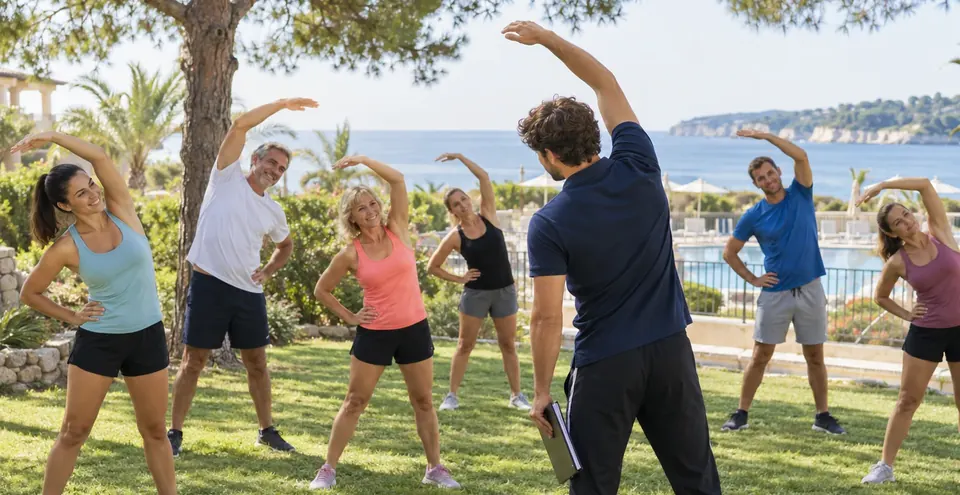
Samoa has beaches, culture and nature sites, so seasonal holiday resort activity leader jobs are found around Apia and the coast. Apia and its surroundings offer the widest choice, as hotels and tour offices organise visits to the Robert Louis Stevenson Museum at Vailima, the Papase'ea sliding rocks, the Piula Cave Pool and the Palolo Deep Marine Reserve, where visitors snorkel. Skills, certificates, safety and conduct with children matter. Season, permits and earnings depend on the employer. Applicants who enjoy outdoor activities and speak English have the best chances of being hired.
Holiday resort activity leader jobs in Samoa: settings where activities are run
Apia and its surroundings offer the widest choice. Hotels and tour offices organise visits to the Robert Louis Stevenson Museum at Vailima, the Papase'ea sliding rocks, the Piula Cave Pool and the Palolo Deep Marine Reserve, where visitors snorkel above a drop-off in the reef. Evening programmes at resorts present traditional dance, fire knife performances and the umu feast.
The south coast of Upolu attracts leisure travellers and surfers. Around Lefaga and Aleipata, beach fale lodges arrange snorkelling, kayaking, fishing trips, village visits and guided walks to the To Sua Ocean Trench, a deep swimming hole reached by a ladder. Staff coordinate transport, safety briefings and meals, and often double as hosts for evening storytelling and kava ceremonies.
Savai'i offers wilder activities. Guides lead visitors to the Alofaaga blowholes, the Falealupo rainforest canopy walkway, the Mount Matavanu crater and the lava field, and to turtle sanctuaries on the coast. Because villages own the land, guides work with chiefs and village councils, who set entry fees and rules. Respect for local protocol is at the heart of guiding on Savai'i.
Evening entertainment matters as much as daytime tours. Resorts organise cultural nights where guests learn to weave, to open a coconut and to cook in an umu, and then watch dancers in traditional costume. Leaders who can speak clearly, tell stories and involve guests in friendly competition make these evenings memorable. Musicians play guitar, ukulele and drums, and fire knife dancers, a distinctive Samoan art, perform at selected venues with strict safety measures.
Skills and certificates for seasonal leisure jobs in Samoa
Water safety is essential. Staff supervising swimming, snorkelling or kayaking should hold lifesaving and first-aid certificates, understand tides and reef channels, and brief guests clearly before entering the sea. Boat operators need appropriate licences and safety equipment, and guides on forest and lava trails must carry water, a first-aid kit and a means of contacting help.
| Activity | Useful skill | Typical setting |
|---|---|---|
| Snorkel and kayak leader | Water rescue, first aid | South coast lodges, Palolo Deep |
| Cultural host | Dance, storytelling, language | Apia hotels and fale resorts |
| Hiking and cave guide | Local knowledge, safety briefing | To Sua, Piula, Savai'i trails |
| Children's activity helper | Games, childcare experience | Larger resorts |
| Fishing and boat guide | Boat licence, navigation | Coastal villages |
Cultural competence sets a Samoan activity leader apart. Understanding the matai system, the importance of church and family, and the meaning of dances, tattoos and ceremonies lets a guide explain these matters accurately. English is the main language with visitors, while Samoan builds trust in villages. Musicians, dancers and storytellers are valued as much as sports leaders.
Training is available locally. The Samoa Qualifications Authority recognises courses in tourism and hospitality, and the National University of Samoa and private trainers offer programmes in guiding, first aid and customer service. International certificates in diving, surfing or lifesaving are accepted where they meet recognised standards, and they improve prospects at higher-end resorts.
Surfing and sailing add further demand. Surf lodges along the south coast and on Savai'i employ boat drivers who take guests to reef breaks, and local guides know tides, channels and dangers. Some resorts run sailing lessons on small boats, and fishing guides take visitors to trolling grounds beyond the reef. These jobs need skill and good judgement, and they rely on trust built with village councils and reef owners.
Safety, children and conduct
Resorts that host families run supervised children's activities, such as beach games, shell and craft sessions, and cultural lessons. Staff in these roles should be patient and aware of safeguarding. The country has national family-safety and child-protection laws, and employers may ask for references and background checks. Never leave a child unsupervised near water or a reef.
Reefs are fragile, and guides explain not to stand on coral, take shells or feed fish. Turtle sanctuaries and marine reserves have their own rules, and village fees support conservation. Leaders model good behaviour, carry rubbish out and encourage guests to respect fishing areas and sacred sites.
Weather decisions matter. Dry-season trade winds can create choppy seas, and during the wet season storms may close trails and beaches. Activity leaders check forecasts, adjust plans and communicate calmly with guests. Employers value staff who put safety first, even when it means cancelling a popular excursion.
Customs of respect are central. Visitors are asked to dress modestly in villages, to avoid walking through a village during evening prayers and to accept food or kava politely. Leaders explain these rules in advance and model correct behaviour, since a single careless remark can offend hosts. Understanding that land, reefs and waterfalls belong to families, and that fees pay for upkeep, is part of being a responsible guide.
- Hold up-to-date first-aid and lifesaving certificates before applying to any resort.
- Learn village protocols, entry fees and sacred-site rules for the areas you guide.
- Prepare a rain plan for each activity so guests still enjoy their day.
Season, permits and earnings
Activity teams are largest between May and October. Some resorts also schedule extra programmes for school holidays and for Christmas visitors. Earnings are generally modest and may combine a basic wage, meals and gifts from guests, while independent guides rely on tour fees. Confirm terms in writing, including who pays for equipment, insurance and transport.
Foreign nationals need a work permit tied to an employer, and authorities expect that a Samoan could not do the job. Specialist roles such as dive instructors and entertainment managers have a better chance. Visitors may not guide for pay, and the village council can refuse access to those who do not respect protocol. The immigration authority and the labour ministry can explain the process.
Routes into the sector are varied. Some people start as drivers or boat hands, others as hotel staff who show an aptitude for guests, and others as performers who join a resort troupe. Learning basic marine and first-aid skills early opens better posts, and good relations with village leaders can lead to independent guiding roles. Few positions are advertised, so personal contact and a clear presentation of experience are the best tools.
Pay and recognition improve with reputation. Guests write reviews, tour desks pass on names, and hotel managers record who handled a difficult day with grace. A leader who earns repeat requests from visitors or from tour companies in New Zealand and Australia can negotiate better terms in later seasons.
Frequently asked questions
Do I need to perform Samoan dance to work as an entertainer?
Resorts that stage fiafia nights usually employ Samoan performers who learned dance in their communities. Visitors can take part as guests, but professional roles need cultural knowledge and permission. Many hosts are musicians or storytellers rather than dancers.
Can a surfer work as an instructor?
Surfing is popular on the south coast, but reef breaks are dangerous, and access to breaks depends on village and resort arrangements. Instruction requires safety training, local knowledge and the necessary approvals. Ask the Tourism Authority and local operators before offering lessons.
Are children's clubs common in Samoan resorts?
Larger hotels offer supervised activities for guests' children, while small fale lodges arrange simple games and village visits. Staffing is seasonal, and employers prefer people with childcare experience, first-aid training and a gentle manner.
Where to find these jobs
- Samoa Tourism Authority — National tourism body that promotes visitor activities, supports tour operators and publishes information about guiding and cultural events.
- Samoa Qualifications Authority — Agency that recognises tourism and hospitality training, helping guides and activity staff show their skills to employers.
- Ministry of Commerce, Industry and Labour — Government ministry that advises on employment rules, permits and workers' rights in the tourism sector.
- National University of Samoa — Public university offering technical and business programmes that support careers in tourism and community services.
Official and legal references
- Samoa Tourism Authority — Official destination site listing attractions, activities, cultural evenings and safety advice for visitors to the islands.
- Government of Samoa — Official government portal with ministry information on labour, immigration, child protection and public services.