Liberia: seasonal fruit and vegetable picking jobs on farms and estates
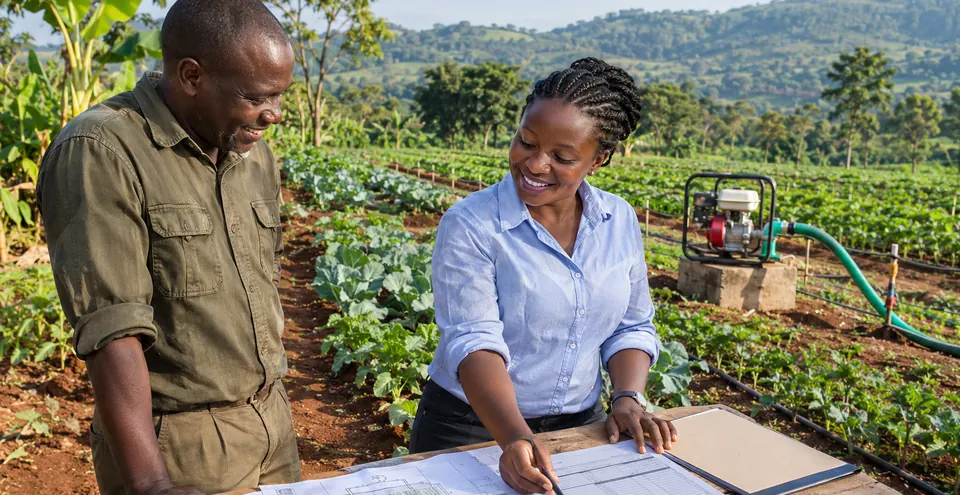
In Liberia, seasonal fruit and vegetable picking jobs exist, but they look nothing like the large orchard harvests found in temperate regions. Work is mostly small-scale and tied to family farms, village plots and a few estates, where people gather plantain, pineapple, citrus, pepper, okra, bitterball and cassava leaves as crops ripen. Commercial export picking is limited, so most tasks are casual, paid by the day or by agreement, and hired by neighbours. Understanding crop timing and farm customs helps newcomers find honest work and avoid disappointment.
Farming landscape and crops
Agriculture employs a large share of Liberians, yet most farms are small, mixed and rain-fed. Rice is the staple and grows on upland plots and in swamps, while cassava, sweet potato, plantain, banana and vegetables fill the rest of the field. Cash crops include rubber, oil palm, cocoa and coffee. Fruit trees such as mango, orange, pineapple and avocado are scattered through villages rather than planted in neat commercial orchards.
Bong, Nimba and Lofa counties form the interior farming heartland, with fertile uplands and many villages growing food for the market in Monrovia. Margibi and Grand Bassa counties are home to rubber and palm estates and to growing vegetable areas supplying the capital. Along the coast, Montserrado and Grand Cape Mount produce cassava, greens and fruit sold in city markets, so harvests near Monrovia connect easily to buyers.
Because production depends on natural rain rather than irrigation, the farming calendar is strict. Land is cleared in the dry months, planting begins with the first rains, and most harvests fall between August and December. Some vegetables, such as peppers, okra and bitterball, can be gathered over several weeks, which spreads casual work across the season instead of concentrating it into a short, intense rush.
Cocoa and coffee deserve special mention. Smallholders in Lofa, Nimba and Bong counties gather cocoa pods and coffee cherries by hand, then ferment and dry the beans before selling them to buyers who travel along the feeder roads. The work is seasonal, concentrated in the later months of the year, and it rewards people who recognise ripe fruit and handle it gently. Knowledge passes from parents to children rather than through classrooms.
Harvest calendar and tasks
Upland rice is generally cut from around September to November, and swamp rice follows later in the dry season. Cutting is done by hand with knives or sickles, then the sheaves are dried, threshed and carried to storage. This is the busiest labour period of the farming year, and families often swap work among themselves or hire extra hands for a share of the crop or a daily payment.
Fruit and vegetable gathering is lighter but constant. Pineapples ripen in the first half of the year in several counties, mangoes are abundant in the dry season, and citrus follows. Pepper, okra, eggplant, cabbage and leafy greens are picked frequently and taken to market the same day. Pickers sort by ripeness, fill baskets or buckets, and carry them to a roadside collection point or head to the nearest town.
| Period | Typical crops or task | Main counties |
|---|---|---|
| January to March | Mango gathering, vegetable beds, land clearing | Montserrado, Margibi, Bong |
| April to June | Pineapple picking, planting of rice and cassava | Grand Bassa, Nimba, Lofa |
| July to September | Plantain, pepper, okra and greens in the wet fields | Bong, Margibi, Grand Cape Mount |
| October to December | Rice cutting, cocoa pod gathering, palm fruit | Lofa, Nimba, Bong |
Pay, housing and conditions
Payment methods vary. A daily wage is common for casual labour, while some farmers pay per basket, per bucket or per bag collected, and others share the crop. Amounts depend on local custom and negotiation, and no national figure applies to informal field work. Ask the farmer, before starting, what a full day involves, when payment will be made and whether the sum is in Liberian dollars or United States dollars.
Housing is usually the worker's own responsibility. Many pickers live in the nearby village and walk to the field, and strangers may be offered a room by a host family in exchange for a fee or help. Large estates sometimes provide company housing for permanent staff, but seasonal gatherers rarely receive it. Water and meals are not guaranteed, so bring food and a bottle for long days under the sun.
The work is physically demanding even when the tasks seem simple. Days begin early to avoid the midday heat, and pickers stand, bend and carry loads for hours. Rain makes tracks slippery, insects are common and snakes can hide in tall grass. Boots, long trousers, a hat and sensible pacing reduce risk, and a clear arrangement about breaks protects health better than silent endurance.
Transport is a hidden part of the job. After picking, produce must reach the road, and carrying baskets on the head over muddy paths is common. Motorbike riders and truck drivers then take loads to markets such as Red Light in Paynesville or to buyers in Gbarnga. Pickers who can also help sort, weigh and load sometimes gain an extra payment, and those who understand fair prices are better placed to bargain.
Legal framework and protection
Agricultural workers are covered by the Decent Work Act like others, including protections on fair treatment and the prohibition of forced labour. The Ministry of Agriculture and the Ministry of Labour supervise different aspects of the sector, and the Liberia Agriculture Commodity Regulatory Authority governs several export crops. In practice, enforcement on small farms is difficult, which makes personal agreements and respectful relations with the host essential.
Children must not perform hazardous work, and anyone offered a field job that endangers health or education should refuse it. Foreigners are not permitted to earn wages without a work permit, so overseas visitors interested in farm experience should look for supervised volunteer or research arrangements and confirm them in advance with the Liberia Immigration Service. Agricultural research stations such as the Central Agriculture Research Institute at Suakoko in Bong County are useful contacts.
Chemical safety is another concern. Some commercial growers apply pesticides or fertiliser without much protective equipment, and washing hands, avoiding contaminated water and keeping food away from sprayed areas are basic precautions. If you feel dizzy or ill after spraying, leave the field at once and seek care at the nearest clinic in Gbarnga, Ganta, Voinjama or Kakata.
Food hygiene is a quiet but serious issue. Vegetables washed in dirty stream water or stored in the sun spoil quickly and can carry disease, which hurts both customers and sellers. Clean containers, shaded storage and quick delivery after picking protect both quality and income. Farm groups sometimes organise simple training on these points, and a worker who learns them can offer more value to a grower than someone who only picks fast.
Frequently asked questions
Is there a main fruit picking season in Liberia?
There is no single national season. Mangoes are plentiful in the dry months, pineapples ripen mostly in the first half of the year, and rice cutting dominates from September to December. Vegetables are picked repeatedly throughout, so casual work is available in many months for those who live near the fields.
Can I earn a living only from picking?
Most Liberians combine several activities, such as farming their own plot, trading in the market and doing paid labour for neighbours. Picking alone seldom gives a stable income, because work depends on rain, crop timing and the size of the farm. Treat it as a complement rather than a full-year occupation.
Where should I ask about farm work?
Start with village chiefs, farmers' groups and county agriculture offices in towns such as Gbarnga, Sanniquellie and Voinjama. Market associations in Monrovia can also point to growers who supply them. Always agree on payment before beginning and avoid anyone who requests an advance fee for introducing you to a farm.
Where to find these jobs
- Ministry of Agriculture of Liberia — Government ministry that supports farmers through extension services, seeds and advice and coordinates agricultural policy in the counties.
- Central Agriculture Research Institute — Research institution at Suakoko in Bong County studying rice, cassava, vegetables and tree crops and training farmers in better methods.
- Liberia Agriculture Commodity Regulatory Authority — Public body that regulates and supports export commodities such as cocoa, coffee, palm oil and rubber across the country.
- Firestone Liberia — Rubber producer at Harbel in Margibi County employing tappers and farm workers and running estate clinics and schools.
Official and legal references
- Ministry of Agriculture of Liberia — Official ministry portal with information on agricultural programmes, extension services and policy for farmers in every county.
- Ministry of Labour of Liberia — Official ministry portal covering labour standards, inspections and worker protection rules that apply to farm employment.