Liberia: seasonal hotel and restaurant employment opportunities for staff
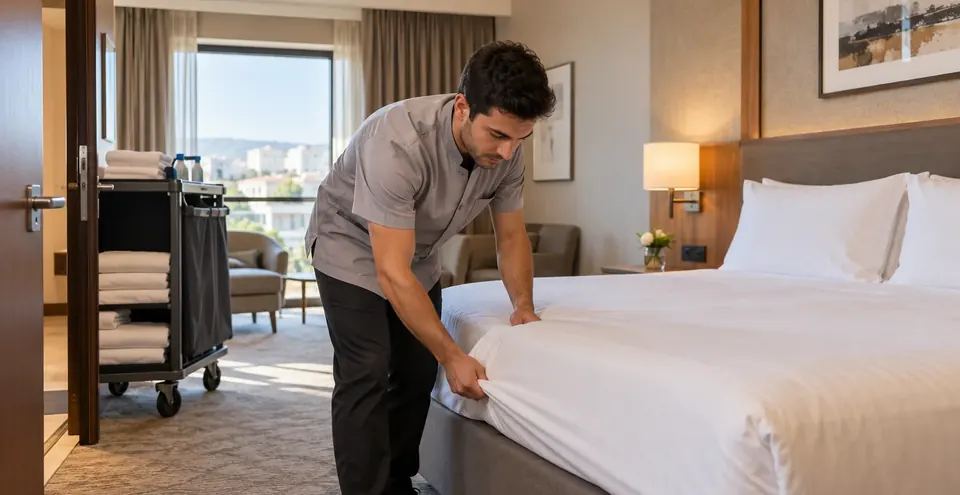
Hospitality in Liberia is a small but active field, and Liberia seasonal hotel and restaurant employment opportunities arise whenever visitors, officials and business travellers fill the rooms. Demand rises around Christmas, the July independence celebrations and large conferences in Monrovia, and it dips during the heaviest rains. Typical roles include waiter, cook, kitchen helper, room attendant, receptionist and bartender. Employers prefer staff who speak clear English, arrive punctually and can provide references from earlier jobs. Conditions differ greatly between a capital hotel and a small beach lodge, so each offer deserves careful questions.
Where hospitality jobs are found
The capital dominates the market. Monrovia has business hotels along Mamba Point, Sinkor and the road to Roberts International Airport, together with restaurants, bars and guest houses that cater to diplomats, aid workers, mining executives and returning Liberians. Staff turnover is natural in this environment, and extra hands are often needed when delegations arrive or when an event fills every room in the district.
Outside the capital, hospitality is more scattered. Buchanan in Grand Bassa County hosts port and industry visitors, Kakata and Gbarnga have modest hotels used by travellers heading inland, and Robertsport in Grand Cape Mount County attracts surfers and beach lovers to a handful of lodges. Several of these places hire casual helpers during the busy months and let them go afterwards, which makes the work truly seasonal.
Eco-lodges and guest houses near protected areas such as Sapo National Park are rare and small, and they usually recruit from nearby villages. A local resident who knows the forest paths, the languages and the community can become a guide, cook or caretaker. Such positions are scarce, but they offer the closest thing to genuine tourism employment in the interior and often include simple lodging.
Competition for the better posts is strong because hospitality offers cleaner work and more regular hours than many other temporary jobs. Applicants who have finished secondary school, who dress neatly and who can read and write confidently have an edge. Staying close to the establishment, ideally within a short taxi ride, also counts, since employers worry about lateness when roads flood in the rainy months and traffic on the Monrovia peninsula stalls for hours.
Roles, skills and languages
Kitchen work is the entry point for many applicants. A kitchen helper peels, washes and prepares ingredients, while a cook handles Liberian dishes such as rice with palm butter soup, cassava leaf, fufu and fried fish, along with continental menus in higher-end hotels. Cleanliness, speed and the ability to follow a recipe matter more than formal diplomas. Experience in a canteen or a mining camp kitchen is well regarded.
Front-of-house roles need people skills. Waiters and bartenders must read an order accurately, handle cash honestly and stay calm during busy dinners. Receptionists need confident English, basic computer skills and a polite telephone manner. Room attendants are judged on tidy work and discretion. French or Arabic can help in a few business circles, yet English, including everyday Liberian English, is the working language everywhere.
Training is available in Monrovia through vocational institutes and short courses offered by private colleges and hotel managers themselves. A certificate in food handling, customer service or housekeeping strengthens an application, although many employers will train a keen newcomer on the job. Showing a willingness to work evenings, weekends and holidays is often the deciding factor in a competitive shortlist.
Presentation and punctuality are part of the craft. Uniforms are usually supplied by larger hotels, but staff are expected to keep them clean and to arrive early enough to prepare the dining room, set tables and check stock before guests appear. A calm manner during a rush, especially when generators fail or supplies run short, quickly distinguishes dependable workers from those who panic.
Pay, tips and living arrangements
Wages in hotels and restaurants are negotiated with the employer and must respect the legal minimum and the rules of the Decent Work Act. Because amounts change and are paid in Liberian dollars, United States dollars or a mixture, applicants should ask for the figure, the payment date and the currency in writing. Overtime, night work and public holiday duty should also be clarified before accepting an offer.
Tips are welcome but irregular. Guests at upmarket hotels may leave gratuities, while a roadside restaurant earns little this way. Some employers add a service charge to bills and share it among staff, others do not. Because tipping depends on the clientele, it should be seen as a bonus rather than a basis for planning household budgets or repaying debts.
| Role | Busy period | Typical places |
|---|---|---|
| Waiter or waitress | Christmas, July holidays, conference weeks | Monrovia hotels and restaurants |
| Cook or kitchen helper | Year round, peaks in the dry months | Hotels, canteens, mining camps |
| Room attendant | Arrival of delegations and festival weekends | Mamba Point, Sinkor, Buchanan |
| Bar and reception staff | Evenings and weekends, dry season | Robertsport lodges, city hotels |
Housing is rarely included in city hotels, so workers often live with family or rent rooms in neighbourhoods such as Paynesville or Congo Town and travel by taxi or shared transport. Remote lodges are more likely to offer staff quarters and meals. When lodging is promised, ask where it is, who shares it and whether the cost will be deducted from earnings.
Rules, hiring periods and safety
Hiring for the December rush usually begins in October or November, and managers prefer to select people who have already proved reliable. Hand in a short résumé personally and follow up politely. Conference seasons are harder to predict, so staying in touch with housekeeping supervisors and kitchen heads can bring a call at short notice. Applications through social media groups exist but are less trusted than direct contact.
Foreign applicants need a work permit before accepting a post, and the hotel normally acts as sponsor. The Ministry of Labour and the Liberia Immigration Service provide the formal requirements. Local staff protections cover contracts, rest days and dismissal procedures. Workers should keep copies of any agreement and a record of hours, since disputes are easier to settle with clear documents than with verbal promises.
Health and safety deserve attention in kitchens and on dining floors alike. Clean water, hand washing and safe food storage are central to preventing illness in a hot climate with irregular electricity. Hotels often rely on generators, so burn risks and noise are real. Wear closed shoes, report any injury promptly and ask whether the employer provides first aid or medical cover.
Relations with guests and colleagues matter as much as technical skills. Hotels in the capital host people from many nations, and polite greetings, patience with complaints and honesty with lost property build a reputation that spreads through word of mouth. A worker who is trusted by a supervisor may be recalled for every busy period, moving from casual helper to a more stable position with gradually increasing responsibilities.
Frequently asked questions
When do hotels in Monrovia hire the most staff?
Recruitment tends to peak before the Christmas and New Year period and again around the July independence holidays. Large conferences and official visits create short bursts of demand at any time. Rainy months from June to September are generally quieter, and some lodges reduce staff or close outright.
Do I need to speak French to work in a Liberian restaurant?
No. English is the official language and the one used in almost every workplace. Knowing a local language such as Kpelle, Bassa or Vai is a bonus when serving community customers. Extra languages can be helpful in embassies or business hotels, but they are not a requirement for ordinary posts.
Is accommodation normally provided by employers?
Not in most urban hotels, where staff arrange their own housing. Remote lodges and a few large establishments provide shared rooms or meals. Because practices differ, always ask during the interview and request any housing promise to be written into the contract before you start work.
Where to find these jobs
- Ministry of Information, Cultural Affairs and Tourism — Government ministry responsible for tourism policy, cultural heritage and the promotion of visitor destinations across the country.
- Ministry of Labour of Liberia — Oversees labour inspection, contracts and work permits, and receives complaints from hospitality workers about pay or dismissal.
- Liberia Chamber of Commerce — Brings together hotels, restaurants and service companies in Monrovia and represents their interests with the authorities.
- Liberia Labor Congress — National federation of trade unions that advises workers about contracts, wages and workplace rights in several industries.
Official and legal references
- Executive Mansion of Liberia — Official portal of the presidency with government announcements, national policy statements and links to ministries and public agencies.
- Central Bank of Liberia — National bank publishing exchange information and economic notes useful for understanding currencies used in wages and prices.