Antigua and Barbuda: seasonal hotel and restaurant jobs in resorts and bars
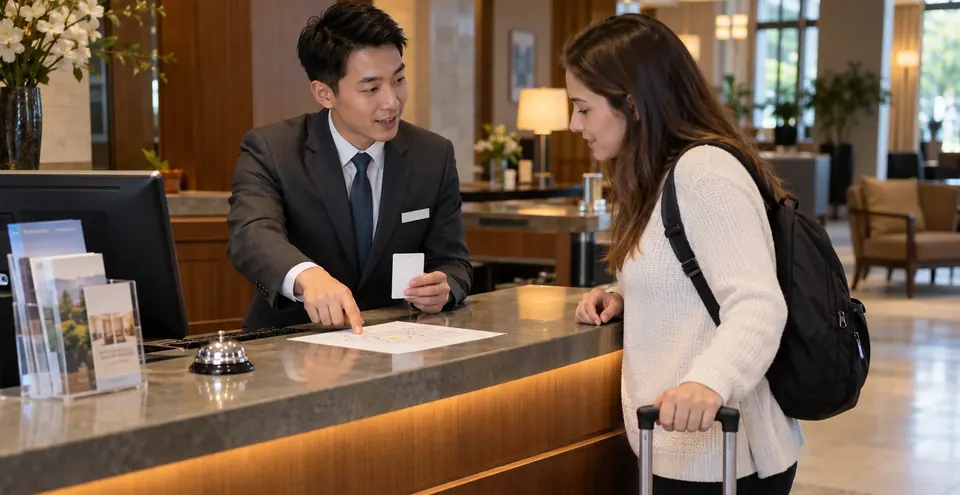
Antigua and Barbuda has many beachfront hotels, villas and restaurants, and seasonal hotel and restaurant jobs fill their teams during the busy winter months. Employers look for waiters, bartenders, cooks, housekeepers, front-desk staff and kitchen assistants, with tips forming part of many incomes. Resorts cluster along the west and north coasts and around the southern bays. Hiring starts in autumn, before the first guests arrive from colder countries, and permits for non-citizens must be arranged through the employer before a contract begins.
Seasonal hotel and restaurant jobs in Antigua and Barbuda: resort zones and who hires
Large and mid-sized hotels cluster on the west and north coast. Dickenson Bay, Runaway Bay, Jolly Harbour and Fort James hold beachfront properties of varying size, while Carlisle Bay and the southern coast host quieter luxury resorts with their own restaurants and spas. On the north-east, a private island resort off the coast brings in staff by boat, and employees there often live on site or nearby.
English Harbour and Falmouth Harbour have a different texture. Boutique hotels, dockside restaurants, pubs and yacht-crew hangouts keep busy when boats are in port. Employers here value bar staff who can handle a crowd, cooks who can produce simple food quickly, and service staff who are comfortable with international crews and owners.
Saint John's offers year-round work in cafes, rum shops, lunch counters and restaurants serving office workers and cruise passengers. These posts pay modestly but are steadier than resort work, and they can provide a bridge during the low season. Many hotel employees keep a part-time shift in town for exactly this reason.
Villa rental and private estate work is a growing niche. Owners of luxury homes in places such as Mill Reef and Half Moon Bay hire chefs, butlers, housekeepers and drivers for the season, and these posts are often found through personal recommendations. They pay according to the owner's budget, and can offer more regular schedules than a large hotel.
Roles, skills and the working day
Front-of-house roles include waiters, bar staff, hosts and room-service attendants. Back-of-house roles cover line cooks, pastry cooks, prep hands, dishwashers and stewards. Housekeeping, laundry, gardening and maintenance complete the picture. Experienced chefs with training in classical or Caribbean cuisine are sought by upscale kitchens, while entry-level jobs in stewarding and housekeeping are the most common door into the sector.
English is the working language, spoken in a Caribbean accent that newcomers adapt to quickly. Guests also include visitors from Europe and North America, so a second language such as French, German or Italian can help in reception and in restaurants, though it is rarely required. Customer service attitude, punctuality and grooming matter as much as technical ability.
A busy day often begins with breakfast service in the early morning and ends with dinner after nightfall, with a split shift in between. Weekends and public holidays are among the busiest periods. Workers should clarify the roster, rest days and overtime rules at the interview, and ask whether uniforms and meals are provided.
Training is available locally and through short courses in food safety, mixology, housekeeping standards and customer care. A certificate does not replace experience, but it signals commitment and can speed up a promotion from steward to cook or from porter to front desk. Hotels sometimes train promising employees in-house during the quieter months.
| Role | Main zones | Seasonal pattern |
|---|---|---|
| Waiter or bartender | Dickenson Bay, Jolly Harbour, English Harbour | Strongest from December to April |
| Cook or steward | Resort kitchens and dockside restaurants | Steady, with extra staff in winter |
| Housekeeper | Beach hotels and villas | Reduced during hurricane season |
| Front desk or porter | Larger resorts, Saint John's hotels | Peak at arrival and departure days |
Pay, tips and staff housing for seasonal hotel and restaurant jobs in Antigua and Barbuda
Wages are set by the employer within the minimum wage rules and any collective agreement that applies. Many hotels and restaurants add a service charge to guest bills, which is distributed to staff according to a house formula, and some guests leave extra tips. The share can vary a great deal from one employer to another, so ask how it is calculated and how often it is paid.
Accommodation is one of the main costs of working on the island. A few resorts keep dormitory-style staff housing, and employers on smaller properties may help workers find shared rooms. Rentals near the beach are expensive in winter, so many employees live inland and commute. Ask about transport after late shifts, since buses do not run through the night.
Social Security contributions are deducted from pay and entitle workers to benefits under the national scheme. Employers should provide a written statement of terms. If something goes wrong, the Department of Labour can mediate, and a union can represent workers who are members.
Contracts vary in length. Some employees are hired for the whole high season with an option to continue, while others work on a casual basis, called in according to bookings. If you are on casual terms, ask how much notice you will get for a shift and whether you are paid when a shift is cancelled.
Newcomers to hotel work in Antigua and Barbuda should also ask about probation. A trial period of a few weeks is common, during which both sides can end the arrangement more easily, and a candid conversation about expectations at the end of it prevents misunderstandings.
How to apply and when
Send a short, accurate résumé with references to the human resources office of each resort in September and October, and follow up by telephone. Many properties run job days before the winter opening. Walk-in applications to restaurants are accepted if you arrive outside meal times. Always bring identification and certificates in original form.
Foreign applicants should say plainly that they need a work permit, and should ask whether the employer is prepared to sponsor one and how long processing normally takes. A job offer is not valid for entry until the permit is granted. Do not pay fees to anyone who claims to guarantee approval. During the hurricane season, keep an eye on weather advisories and ask the employer what happens to shifts and pay if a storm closes the property. Responsible employers have a written plan covering staff safety and compensation.
Interviews are usually short and practical. A manager may ask you to carry a tray, describe how you would handle a complaint or demonstrate basic knife skills. Dress neatly, arrive early and explain clearly what you can offer, including your availability for evenings, weekends and the festive periods. Seasonal staff who return to the same hotel or restaurant year after year gain seniority, better shifts and sometimes extra responsibilities, so loyalty is rewarded in Antigua and Barbuda hospitality.
Frequently asked questions about seasonal hotel and restaurant jobs in Antigua and Barbuda
Do hotels in Antigua provide staff accommodation?
Some do, but not all. Larger resorts and island properties sometimes offer shared rooms or help with housing, while most independent restaurants do not. Ask before accepting a post, and compare the cost of rent and transport against the wage so that the offer still makes sense after the first month.
Is it possible to find work after the winter ends?
Yes, but there are fewer openings. Some hotels keep a core team through the summer, and Carnival, maintenance projects and local restaurants require staff. Applicants who showed reliability in the winter are often the first to be called back, so leave a good impression and keep in touch.
Do I need to speak another language?
English is sufficient for most jobs. A second language is an advantage in reception, concierge and sales roles, particularly at resorts with European guests. What employers look for first is a calm, courteous manner and the ability to handle busy periods without losing good humour.
Where to find these jobs
- Antigua State College — National tertiary institution offering technical and vocational programmes, including hospitality-related training useful for entering the industry.
- Antigua and Barbuda Workers Union — Trade union representing hotel and service workers, advising members on contracts, pay and workplace disputes with employers.
- Department of Labour, Antigua and Barbuda — Government labour office that explains employment rules, handles complaints and works with the immigration authorities on work permits.
Official and legal references
- Government of Antigua and Barbuda — Official portal listing ministries and public services, including labour, immigration and social security information for workers and employers.
- Antigua and Barbuda Tourism Authority — Official destination site with information on resorts, restaurants, seasonal events and travel conditions in English for visitors and professionals.