Rwanda: seasonal fruit and vegetable picking jobs on hillside farms, cooperatives and flower estates
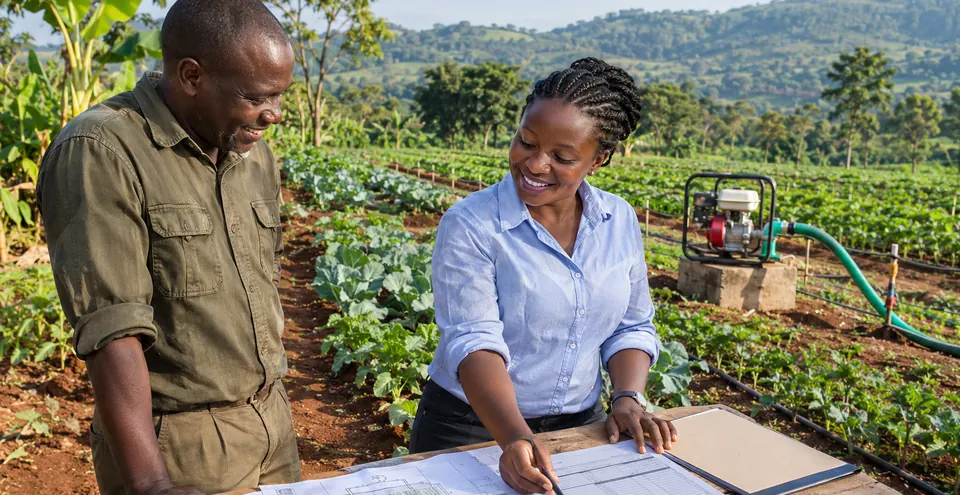
Rwanda is a country of small farms on steep hills, and seasonal fruit and vegetable picking is part of that rural life, since most families grow food on a hectare or less. The Northern and Western Provinces, with cool volcanic soil, produce Irish potatoes, carrots, cabbage, leeks and onions, while the east grows other crops. Tasks, pace and payment are shaped by seasons, and conditions, safety and housing vary. Legal framework and cooperatives help organise workers. Joining a team makes sense only after tasks and pay have been explained clearly.
Fruit and vegetable picking in Rwanda: crops, regions and seasons
Fruit production includes bananas, tree tomatoes, passion fruit, avocado, mango, papaya and pineapple. Cut flowers and some export vegetables are grown by commercial firms near Kigali and on irrigated land. Because rain falls in two seasons, many crops are planted twice a year, and harvests are staggered across districts instead of concentrated in a single month.
| Crop | Main areas | Work and typical period |
|---|---|---|
| Irish potatoes | Musanze, Nyabihu, Rubavu | Planting at rain onset, lifting and bagging after four months |
| Tomatoes and cabbage | Eastern and Southern Provinces | Picking and packing across the dry spells |
| Pineapples and bananas | Southern and Eastern Provinces | Cutting, carrying and loading throughout the year |
| Passion fruit and avocado | Lake Kivu highlands | Picking in the months after the rains |
Season A, running from about September to February, and Season B, from February to June, are the main farming cycles, and marshlands are used in Season C during the dry months. Cooperatives plan planting dates together, so the same hillside may need many hands in a single week, followed by weeks of light work.
Growers have been organised in recent years to improve quality. Tomatoes, cabbage and fruit are sorted, washed and packed in crates to reduce damage on the hilly roads, and buyers from Kigali hotels and supermarkets prefer produce that is clean and uniform. A picker who learns careful handling is therefore more useful than one who is only fast.
Tasks, pace and payment
Picking tasks vary. Workers lift potatoes with hoes, pull carrots, cut cabbages, pick tomatoes and carry crates or sacks to roadside collection points. On slopes, carrying is the heaviest part, and women and men often walk long distances with loads on their heads or backs. The work is done in the morning when the air is cool and the soil is workable.
How pay is arranged
Pay is usually agreed by the day, by the task or by the sack, depending on the farm. A cooperative may share income among members according to the work done, while commercial estates pay wages at agreed intervals. Because rates vary by place and crop, ask for the amount and the payment date before starting, and keep a note of the days worked.
Mobile money is widely used in Rwanda, and some employers pay wages directly into a mobile wallet. This is convenient and leaves a record, but workers should check the number and the amount received. Complaints about unpaid wages can be taken to the local authorities or the labour inspector in the district.
Coffee and tea sit alongside food crops in the agricultural calendar. Coffee cherries are picked by hand from about March to July and delivered the same day to washing stations, while tea is plucked at regular intervals throughout the year. Both offer paid casual tasks, and the work is organised by cooperatives and estates with clear rules on picking quality.
Conditions, safety and housing for seasonal harvest work
The climate is mild, but rain can turn paths into mud, and the sun at altitude is strong. Wear a hat, boots and a light rain jacket, and carry water. Cuts from tools are common, so clean wounds quickly and keep tetanus protection up to date. Malaria occurs in lower areas, so check health advice before travelling.
Pesticides and fertilisers are used on some farms, especially in vegetable and flower production. Ask which products are applied, whether protective equipment is provided and when fields were last sprayed. Workers should wash hands before eating and keep food and water away from treated areas, as safe handling prevents illness.
Seasonal workers who come from other districts may stay in rented rooms near the farm or in simple accommodation provided by the employer. Many pickers live in their own village and walk or ride a bicycle to the plot. Ask about water, cooking facilities and security, and agree with the employer on transport home after the harvest.
Terracing and soil care are part of everyday farm work on steep hills. Farmers dig contour lines, plant grass or trees on the edges and mulch the soil to reduce erosion during heavy rain. A worker who joins these tasks learns practices that protect harvests, and such knowledge is useful for any later job in Rwandan agriculture.
Legal framework and cooperatives for seasonal picking jobs in Rwanda
Rwandan labour law sets a minimum working age, limits hazardous tasks for young people and requires employers to provide safe conditions and written contracts for formal employment. Casual daily work is common, but workers should still insist on clarity about pay and hours. Labour inspectors in districts can help in case of disputes.
Cooperatives play a central role. Farmers join to buy seed, share equipment, store produce and negotiate prices, and the Rwanda Agriculture and Animal Resources Development Board supports them with extension advice. For a newcomer, a cooperative office is often the best place to ask about seasonal tasks, market days and the dates of the next planting.
Foreign nationals need a visa and a work permit linked to an employer, and agricultural picking is seldom a priority for permits because local labour is available. Visitors who wish to learn about farming can arrange visits or training with institutions and cooperatives, but should confirm the legal status of the arrangement with the authorities.
Storage and transport also create work. Sacks and crates must be loaded on lorries, motorbikes and bicycles, and small traders arrive at collection points early in the morning. Weights and prices are agreed on the spot, so insist on seeing the scale and note the figures, particularly when you are paid by weight.
Finally, share the day's results with the team. At the end of a harvest day, supervisors count crates, record weights and agree who picked what. Being present for this check protects your pay and shows that you take the work seriously.
Frequently asked questions
Is there one main fruit harvest in Rwanda?
No. Rainfall falls in two seasons, so crops are planted and harvested at different times in different districts. Bananas and pineapples are cut across most of the year, while potatoes and vegetables follow the planting cycles of the first and second season.
How are pickers paid?
By the day, by the task or by the sack, depending on the employer. Many farms pay through mobile money. Agree the rate and the payment date first, and keep a record of the days worked in case a dispute arises later.
Where can I learn about farming in Rwanda?
The Rwanda Agriculture and Animal Resources Development Board and local cooperatives share advice on crops, seasons and training. Universities and agricultural schools also run programmes, and district offices can tell you when planting and harvest dates are announced. Neighbouring farmers can also tell you which cooperative is hiring for the coming weeks.
Where to find these jobs
- Rwanda Agriculture and Animal Resources Development Board — Government board that provides extension services, seeds and support to farmers and cooperatives nationwide.
- National Agricultural Export Development Board — Public body that supports coffee, tea, horticulture and other export crops and their producers.
- Private Sector Federation Rwanda — Business federation that includes agribusiness chambers and represents commercial farms and processors.
- Ministry of Public Service and Labour — Government ministry that sets labour rules and supervises employment conditions in agriculture.
Official and legal references
- Government of Rwanda — Official portal with ministries, agencies and services including agriculture and labour.
- Rwanda Agriculture and Animal Resources Development Board — Official agency site with information on crops, extension and rural development.