Eritrea: seasonal hotel and restaurant employment opportunities in Asmara, Massawa and Keren
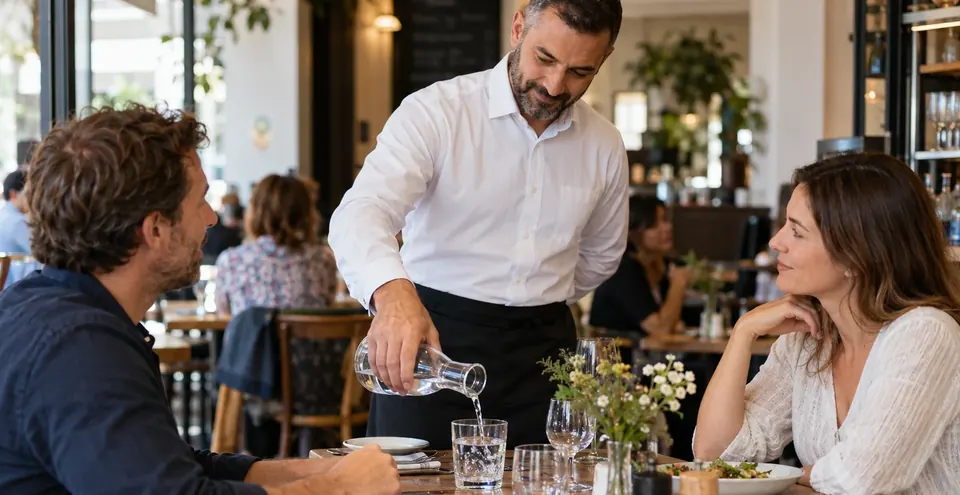
Eritrea offers a modest hospitality sector concentrated in Asmara, Massawa and Keren, where hotels, cafes and restaurants serve officials, business visitors, residents and a small number of tourists. Seasonal hotel and restaurant employment means temporary work as waiter, cook, receptionist, housekeeper or kitchen helper, usually when events, holidays or returning visitors raise demand. Foreign applicants face a regulated labour market, which affects hiring, permits and contracts. Location, typical roles, hiring periods and a careful check of any proposal matter most before accepting an offer.
Eritrea seasonal hotel and restaurant jobs: where hospitality exists
Asmara is the heart of Eritrean hospitality. Its wide boulevards, Italian-style cafes, modernist buildings and pavement terraces along Harnet Avenue attract residents in the evenings, and hotels in the centre serve officials, business visitors and returning families. Cappuccino and macchiato, bread rolls, pasta, pizza and ice cream sit beside injera and spiced stews, and the rhythm of the day is set by coffee breaks and long dinners.
Massawa, on the Red Sea, is a hot port with a coral-stone old town, seafront promenades and fish restaurants that serve the catch of the day. Visitors arrive in the cooler months, and the beaches of Gurgussum and the boat trips to the Dahlak archipelago bring modest business to guesthouses and cafes. Keren, in the north-west highlands, has traditional restaurants, a famous market and lodging for travellers on their way to monasteries and archaeological sites.
Outside these three towns, accommodation and food services are basic. Roadside eateries, family-run tea houses and small guesthouses welcome travellers in Dekemhare, Mendefera and Barentu, and the owners usually involve relatives. Seasonal hotel work is therefore not a separate market but a variation in the activity of family businesses, which expand when visitors, weddings or festivals arrive.
Weddings and family celebrations create a large share of catering work. Eritrean weddings can last several days, with abundant food, coffee ceremonies, music and dancing, and families engage cooks, helpers, waiters, musicians and photographers for the occasion. Hotels and restaurants often host the main reception, so staff members who speak with guests politely and manage large dishes of injera and stews without fuss are in demand in the months when weddings cluster.
Roles, skills and daily realities for seasonal hotel and restaurant jobs in Eritrea
The jobs are the familiar ones: waiter, barista, cook, kitchen helper, dishwasher, cleaner, receptionist, porter and night guard. In Asmara's cafes, a barista who can make good espresso and keep a lively counter is valued. In restaurants, cooks prepare injera with zigni, shiro and tsebhi, coffee ceremonies are offered to guests, and a respectful service style based on hospitality and patience is expected.
| Role | When more staff are needed | Typical setting |
|---|---|---|
| Waiter or barista | Weekends, holidays, the August festival | Asmara cafes and restaurants |
| Cook or kitchen assistant | Weddings, banquets, festival weeks | Hotels and caterers |
| Cleaner or laundry staff | Periods with delegations and returning families | Hotels and guesthouses |
| Reception or night staff | Peak visiting weeks | Hotels in Asmara and Massawa |
Tigrinya is the main language of service, with Arabic widely understood on the coast and in the west, and English used with international visitors and in education. Italian expressions linger in cafe vocabulary. A job seeker who speaks several of these has an advantage, but a foreign worker with no local language will struggle because staff and customers mostly speak Tigrinya together.
Training takes place through vocational schools, on-the-job learning and family apprenticeships. Those who have worked in a family restaurant or cafe often move to others by recommendation, since employers trust people they know. Reliability, cleanliness, discretion and good manners count as much as formal diplomas.
Coffee is almost a profession in itself. The traditional ceremony involves roasting green beans on a small pan, grinding them, brewing in a clay pot called a jebena and serving three rounds of small cups with popcorn or bread, often with incense burning. A hostess or host who performs this ritual with grace is a real asset to a guesthouse, and some establishments employ a person specially for the ceremony.
Food service in Asmara blends two traditions. Italian influence is visible in pastry shops, gelaterias and espresso bars, where staff in white shirts serve cappuccino and cornetti, while Eritrean cuisine centres on injera, berbere spices, lentils, chickpeas and meat or fish stews. Cooks who can handle both styles are useful for hotels that welcome international guests and for caterers who serve official events and embassy receptions.
Hiring periods and conditions
Demand is highest around national and religious days such as Independence Day in late May, Martyrs' Day in June, Meskel in September, Christmas in early January and the Eid festivals. The Festival Eritrea, held in Asmara in summer, fills the city with performers and visitors, and cafes, bars and food stalls increase staff for a few weeks. Cooler months suit coastal visitors, while Massawa is quiet in the extreme heat.
Terms of employment follow national regulations and are often agreed informally in small businesses. Pay, hours and rest days should be confirmed with the employer or the relevant labour office, and tips are not as widespread as in some countries. Accommodation is not usually provided, and workers commute from their family homes in or near the city.
Because of national service and the controlled economy, many positions are filled through personal connections or state arrangements instead of open advertisements. A hotel or restaurant may have a fixed team all year and add only a few helpers for busy days, usually relatives or neighbours. Seasonal recruitment is therefore small-scale and rarely advertised.
Customer care is shaped by courtesy. Greetings are long, guests are offered tea or coffee, and rushing a conversation can be seen as rude. A staff member who takes time to ask about the guest's journey, explains the menu patiently and thanks them warmly for their visit will be remembered. Discretion on political matters is also expected, and foreign guests should be treated with kindness and neutrality.
Tips are modest, and a polite thank you counts for much.
For foreign applicants for hospitality work in Eritrea
A foreigner may work in Eritrea only if authorised, and any hotel or restaurant that wishes to employ a non-national must follow official procedures. Tourist visas do not allow work, and informal arrangements risk fines or expulsion. Realistic options are positions arranged by an international organisation, an embassy, a registered company or a family business with proper papers.
If you have a legitimate link to the country, ask the embassy or the relevant ministry about current rules, bring certified copies of your qualifications and make sure the employer gives you a written contract. Avoid any recruiter who requires payment in advance, and consult your own government's travel advice regarding security, currency and movement.
Health and hygiene rules are taken seriously in places that serve foreign guests. Hand washing, safe water, careful storage of meat and fish in a hot climate, and thorough cleaning of kitchens and bathrooms are non-negotiable. Staff are often asked to undergo health checks, and an employer may require a certificate before assigning work in food preparation.
Frequently asked questions
Are there seasonal hotel jobs for backpackers in Eritrea?
No organised system exists. Hotel and restaurant jobs are mainly filled locally, and visitors on tourist visas may not work.
When is the busiest period for hospitality?
Around holidays such as Independence Day, Meskel and Christmas, during the summer festival in Asmara and in the cooler months for Massawa.
Which language should I know?
Tigrinya is the most useful, then Arabic and English. Learning greetings and polite phrases shows respect and eases contact with colleagues.
Where to find these jobs
- Ministry of Tourism of Eritrea — Government ministry responsible for tourism policy, accommodation standards and the promotion of Asmara, Massawa and archaeological sites.
- Eritrean National Chamber of Commerce — Business association in Asmara that supports registered hotels, restaurants and traders and shares information on regulations.
- National Confederation of Eritrean Workers — Workers' organisation that represents employees, including those in services, and provides guidance on conditions of work.
Official and legal references
- Shabait, Ministry of Information of Eritrea — Official government portal with news, notices on festivals and holidays and information about public institutions.
- UN Tourism — United Nations specialised agency offering guidance on tourism employment, standards and sustainable destination development worldwide.