Tonga: seasonal hotel and restaurant employment opportunities in Vava'u, Tongatapu and Ha'apai
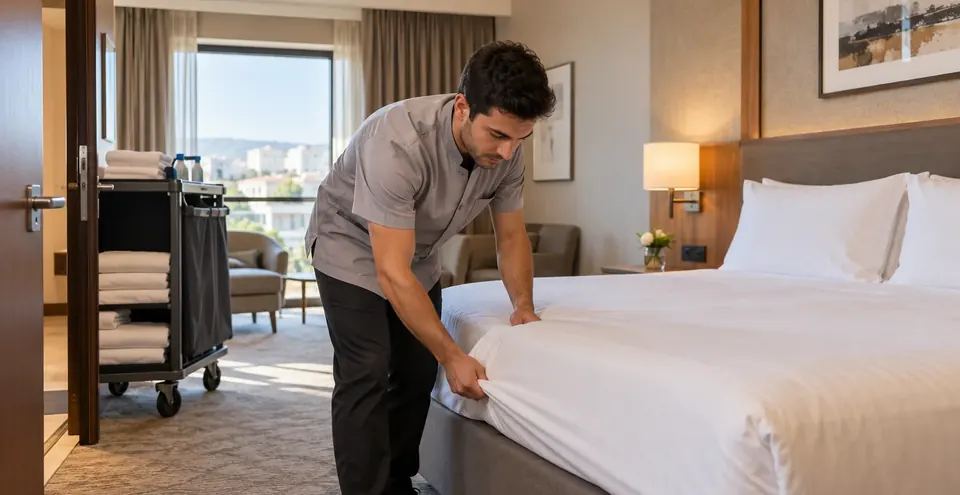
Within Tonga, seasonal hotel and restaurant employment opportunities are found in small resorts, guesthouses, cafés and dive lodges rather than in large chain hotels. Demand rises when whale-watching visitors reach Vava'u and when the Heilala Festival fills Nuku'alofa. Typical posts include waiters, cooks, housekeepers, bar staff, boat hosts and reception assistants. Teams are small, jobs overlap, and Tongan hospitality values warmth and respect. Foreigners need a work permit and a sponsoring employer, wages follow local levels, and employers expect staff to observe Sunday customs and modest dress.
Where hospitality work is concentrated
Hotels and restaurants in Tonga are mostly small and often family-owned. On Tongatapu, Nuku'alofa has government-linked hotels, guesthouses, cafés and restaurants serving officials, visitors and returning relatives, and the beaches of the north and the western coast near Ha'atafu have small resorts. Fafa Island and Pangaimotu offer island day trips with beach restaurants. These businesses are busier when flights bring visitors, during church conferences and at family events, and they depend on a handful of experienced staff supported by casual helpers.
Vava'u is the stronger seasonal market. Neiafu has harbour cafés, bars, guesthouses and charter companies that serve yachts and whale tourists, and dozens of small resorts stand on islands in the surrounding waters, reached by boat. Many close or cut staff when the season ends. Ha'apai has a handful of beach lodges and guesthouses on Lifuka and Uoleva that hire occasionally. In each area, a candidate who lives nearby and can start at short notice has an advantage over someone abroad.
Food is part of the work as well as the job. Restaurants offer local fish, root vegetables, coconut dishes, lu pulu and umu feasts for guests, as well as simple western menus. Cooks who understand how to prepare ika fresh fish, taro, cassava and breadfruit are valued. Food supply is limited by shipping, so kitchens plan carefully, avoid waste and adapt menus. Newcomers learn quickly that imported goods cost more, that deliveries can be late, and that improvising well is part of hospitality here.
Island resorts add their own routines. Guests reach them by boat, so staff plan arrivals around tides and weather, carry luggage along beaches and sometimes help to moor vessels. Meals are served at set times because deliveries are limited, and generators or solar panels provide power. Employees who stay on site learn to repair simple equipment, manage water carefully and entertain guests in the evening with conversation, games or music. These practical abilities are often more valuable than a formal diploma.
Roles, skills and expectations
Common seasonal roles include wait staff, kitchen hands, cooks, housekeepers, laundry staff, bartenders, boat crew who also serve guests, receptionists and drivers who collect visitors. Training is often given on the job, and Tongans may move between tasks as needed. Skills that matter are food safety, clean presentation, patient service and basic English, which most guests use. Tongan language is spoken among staff, and learning greetings such as malo e lelei is a quick way to show respect to colleagues and guests alike.
Because of the small size of the market, versatility pays. A worker who can wait tables, help in the kitchen and drive a boat or minibus will be more employable than a specialist. Foreign applicants may be sought for roles such as head chef, dive instructor or manager, where qualifications are not easy to find locally. Everyone should be prepared for modest facilities, intermittent internet, and the need to be patient with delays. A relaxed attitude, matched with discipline in hygiene and punctuality, sets reliable staff apart.
Dress and conduct follow local standards. Women and men working with guests are expected to wear neat, modest clothes, often with a tupenu or wraparound skirt for formal events, and shoulders and knees are normally covered away from the beach. Public displays of affection, heavy drinking and rude behaviour harm reputations quickly. The church plays a leading role in community life, and staff may be invited to ceremonies. Accepting such invitations politely, and understanding that some days are for rest, strengthens relations with colleagues.
Timing, pay and housing
Employers decide on staff numbers according to forecasts of bookings, and the most active period for hospitality in Vava'u runs roughly from July to October. Hiring for that period typically begins a few weeks beforehand, and work usually ends when the last charter and whale-watching tours finish. The table shows an overview of where and when hospitality demand rises. It is a rough guide, and individual businesses may open earlier or later, so it is worth contacting them directly before making plans or booking transport.
| Place | Busier period | Typical seasonal posts |
|---|---|---|
| Neiafu, Vava'u | July to October | Waiters, bar staff, boat hosts, cooks |
| Nuku'alofa, Tongatapu | Festival weeks, holidays, July | Restaurant helpers, event servers, housekeepers |
| Lifuka and Uoleva, Ha'apai | Dry months, occasional charters | Lodge helpers, cooks, boat drivers |
| Outer resort islands | Whale season | Resort assistants, kitchen staff, guides |
Wages are set between employer and worker within the minimum rules of the law, and they are generally modest. Accommodation may be included on resort islands, along with meals, and tips are less standard than in some countries, so do not rely on them. Ask what is deducted, how often payment happens, and whether it is made in cash or by bank transfer. Because currency and banking can be limited on outer islands, plan how to receive wages, send money home and pay for essentials.
Housing in Nuku'alofa and Neiafu is often arranged through family or rented rooms, and prices for foreigners can be higher than for locals. Staff on resort islands share simple accommodation, sometimes without reliable electricity or running water. View the room, if possible, before accepting a contract, and ask about water supply, cooking space, mosquito nets and safety. Storms can interrupt supply boats, so keep some stock of food, water and medicine for emergencies, and know where the nearest clinic is.
Rights, safety and ethics at work
Employees in Tonga have rights covered by labour law, including fair treatment and appropriate payment, though enforcement on small islands relies heavily on dialogue. If a problem arises, speak first with the owner or manager, calmly and in private, and then seek help from the ministry responsible for labour if necessary. Foreign workers should confirm that their permit names the right employer, and should never work for someone else on the side, as this can invalidate their stay and create difficulty for the host.
Safety is very important in a boating environment. Resorts on outer islands depend on small vessels, and staff who travel on them should expect lifejackets, a briefing on weather and a working radio or phone. Kitchens should have fire safety plans, and clean water should be available. Ask whether the employer provides first aid training and insurance. If you feel unsafe, say so clearly. Reputable operators respect such requests, while poor ones may reveal themselves by dismissing safety concerns or avoiding a written agreement.
Training opportunities exist for those who wish to build a hospitality career in the kingdom. Tongan colleges and vocational programmes teach cookery, service and tourism basics, and some resorts mentor young staff over several seasons. Experienced workers can move from waiting tables to supervision, or open a small guesthouse and café of their own. Contact with the Tonga Visitors Bureau and the Chamber of Commerce helps newcomers understand licensing, standards and the support available for small tourism businesses.
Practical hospitality questions for Tonga
Do hotels in Tonga hire foreigners for the season?
Occasionally, and only with a work permit and a sponsoring employer. Most seasonal staff are Tongan, and foreigners are usually hired for skilled posts that are hard to fill locally.
Is Sunday work possible in restaurants?
Some hotel and restaurant services operate on Sunday, but many venues close or limit activities. Ask the employer how Sunday is handled and respect the local observance of the day of rest.
What is the best way to approach employers?
Visit in person, bring a short summary of your skills and ask politely. In Neiafu and Nuku'alofa, personal contact and local recommendations work better than long online applications.
Where to find these jobs
- Tonga Visitors Bureau — National tourism office that provides information on accommodation, operators and events and supports the tourism sector.
- Tonga Chamber of Commerce and Industry — Business association that represents hotels, restaurants and other private enterprises and shares information on labour matters.
- Vava'u whale-watching and charter operators — Local boat and tour companies in Neiafu that recruit crew and hosts for the whale season each year.
- Tonga Government Portal — Official gateway to ministries that deal with labour, immigration and business licensing in the kingdom.
Official and legal references
- Government of Tonga — Official government portal with ministries and public information on labour and immigration rules in English.
- Tonga Visitors Bureau — National tourism website with English-language information about the islands, activities and seasons for visitors.