Tonga: seasonal fruit and vegetable picking jobs on family farms and export plots
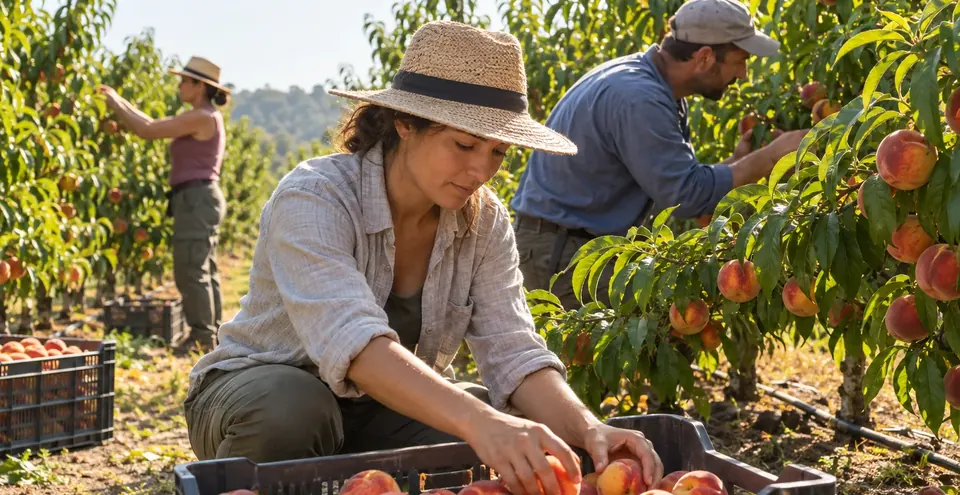
Across Tonga, seasonal fruit and vegetable picking jobs are mostly informal and tied to family land rather than large plantations. Farmers on Tongatapu, Vava'u and 'Eua grow squash for export, root crops such as taro and cassava, bananas, watermelon and vanilla, and hire neighbours or relatives at planting and harvest. Pay may be in cash or produce, and tasks are physically demanding in tropical heat. Foreign visitors cannot take such work without a permit, while many Tongans travel abroad each year for organised picking on farms in New Zealand and Australia.
What grows in the kingdom and where
Farming in Tonga is dominated by small family plots called api or allotments, where households grow food for themselves and sell a surplus. Root crops are the staple: taro, cassava, yam and sweet potato, alongside bananas, breadfruit, coconut and a variety of tropical fruit. On Tongatapu, the flat limestone island, larger plots of squash pumpkin have been grown for export, and watermelon, tomatoes and cabbages feed the Nuku'alofa market. The fertile volcanic soil of 'Eua and parts of Vava'u supports kava, vanilla and vegetables.
Because the islands are small, farms rarely employ many workers. A typical harvest crew is a family with a few neighbours or cousins, and tasks are shared according to custom. Contract growers who supply exporters may hire extra hands for cutting, grading and packing, and then reduce staff when the shipment is finished. For a visitor, it is important to recognise that land is held under a traditional system, and most families cannot simply offer plots or jobs to outsiders without community consent.
Fruit trees add a seasonal layer. Mangoes, papayas, oranges, limes and breadfruit fruit at different times, and families pick for the market, church feasts and local sale. Coconuts are gathered throughout the year, and copra drying has been a long-standing source of small income. Gleaning and selling at the roadside is common, particularly around Nuku'alofa. These activities are casual and rarely advertised, but they give a clear view of how food and work move between households in Tonga.
The work, the pace and the pay
Harvesting is demanding. Workers cut pumpkins and carry them to roadside collection points, dig roots with a spade or a long knife, cut banana bunches, or pick vegetables in rows under strong sun. Mornings are best, because afternoon heat and humidity are heavy, and rain can turn fields to mud. Gloves, a hat, long sleeves and plenty of water are practical. Tools are usually shared, and workers should bring their own boots and a sharp, safe blade when appropriate.
Payment arrangements are flexible. Some workers receive a daily rate in cash, others are paid by the crate or sack, and relatives may be rewarded with produce or help in return. Because the cash economy is small, farm owners may delay payment until goods are sold, so agree the terms beforehand and ask when the money will come. The legal framework of employment still applies, and the labour authority can advise, but in practice much farm work relies on custom and personal trust rather than written terms.
The table below shows main crops and a broad picture of when work appears. Seasons are not strict, as many crops are planted in succession and can be harvested over months, and weather events change plans. Cyclones and droughts have damaged crops in the past, and farmers often replant in the following period. Visitors should treat the calendar as a guide and ask local farmers for the actual timing, as practices differ between islands and from one family to another.
| Crop | Broad harvest period | Main islands |
|---|---|---|
| Squash pumpkin | Mostly in the drier months before cyclone season | Tongatapu |
| Root crops such as taro and cassava | Spread across the year | Tongatapu, 'Eua, Vava'u |
| Vanilla | Pods picked and cured in the middle of the year | Vava'u |
| Banana, papaya and mango | Staggered through the year | All main groups |
Animals and weather complicate the work. Pigs roam many villages and can damage crops, so fences and watchfulness are part of daily tasks. Heavy rain can wash out roads and delay trucks to the market, which means produce may spoil if not sold quickly. Farmers therefore harvest in small amounts, choose cool hours and sell quickly at the Talamahu market in Nuku'alofa or by the roadside. Workers who understand these limits are more patient and more useful to the household that hires them.
Housing, protection and the legal frame
Most agricultural workers live in their own village homes. Those who travel to work on another island usually stay with relatives or in a family compound, where meals are shared. Remember that hospitality is based on reciprocity, so guests are expected to contribute work, food or help. Anyone proposing to stay on a farm should discuss the arrangement openly with the family, clarify duties, and arrange a private space and a way to communicate with others, especially in an emergency.
Safety includes sun protection, clean drinking water and caution with pesticides. Some commercial growers use chemicals, and workers should be told which products are used, avoid entering recently sprayed fields and wash hands and clothes after work. Machetes and tools cause injuries, so keep a first aid kit available. Medical care outside Nuku'alofa and Neiafu is limited. Foreigners should hold insurance, and anyone engaged in paid farm work must hold a permit and appropriate legal status in the kingdom.
Land ownership affects who may farm. In Tonga, land belongs to the Crown, nobles and the government, and hereditary allotments are held by Tongan men. Foreigners cannot own land and can lease only under strict rules, so a foreign farmer or worker usually works within a Tongan family's allotment. Ministry staff provide extension advice on crops, pest control and marketing, and farmer groups help members sell squash, vegetables or vanilla. Information about programmes for seasonal pickers abroad is available from the government.
Overseas picking and where to ask questions
A bigger harvest opportunity for Tongans lies abroad. Under the New Zealand Recognised Seasonal Employer scheme and Australia's Pacific labour mobility programme, workers are employed for months in orchards and farms picking apples, kiwifruit, berries and vegetables. Employers cover part of travel and arrange accommodation, and workers send remittances home. Applicants register through official channels, and the government vets approved employers. Anyone approached by an agent demanding a payment should refuse and report the offer to the authorities.
Preparing for seasonal work abroad
Before leaving, workers should learn about the tasks, the climate, wage rates, deductions for housing and transport, and complaint channels. Pre-departure briefings explain how to open a bank account, manage money, stay healthy and understand the contract. Take warm clothing for cool orchards, and keep copies of documents. Staying in contact with family, and joining community and church groups in the host region, helps with the strain of separation and gives support if a problem occurs.
Farmers also supply the wider economy. Families sell root crops, coconuts and fruit for church feasts, funerals and weddings, where huge quantities of food are exchanged. Preparing a feast can employ many relatives for days and creates temporary demand for harvest, cooking and transport. Seen from this angle, seasonal work in Tonga is not only a wage-based activity, but part of a web of obligations. Newcomers should observe, ask questions and follow local advice on what is appropriate.
Frequently asked questions about picking work
Can I volunteer on a Tongan farm?
Informal visits to families happen, but any work, paid or unpaid, can require immigration approval. Contact the authorities or a recognised organisation before arranging a placement.
What crops are exported from Tonga?
Squash pumpkin, root crops, kava, vanilla and some fresh produce are the best-known exports. Volumes depend on shipping, weather and demand, and most farms remain small.
How do Tongans get seasonal fruit-picking jobs overseas?
They apply through the government's official labour mobility process, and employers in New Zealand or Australia select from approved lists. Genuine schemes do not charge workers to be chosen.
Where to find these jobs
- Ministry of Agriculture, Food, Forestry and Fisheries — Government ministry that supports crop production, quarantine, extension services and exports across the island groups.
- Tonga Chamber of Commerce and Industry — Business body that represents exporters and growers and offers advice on trade and employment.
- Tonga Government Portal — Official gateway to government services, including those on labour mobility and immigration procedures.
- Pacific Community — Regional organisation that supports Pacific island agriculture, plant health and food security programmes in member countries.
Official and legal references
- Government of Tonga — Official government portal with ministry pages and public information on agriculture, labour and immigration in English.
- Pacific Australia Labour Mobility scheme — Australian government programme page explaining how Pacific islanders, including Tongans, join approved seasonal work schemes.