Saint Vincent and the Grenadines: seasonal hotel and restaurant jobs in Bequia, Mustique, Canouan and Kingstown
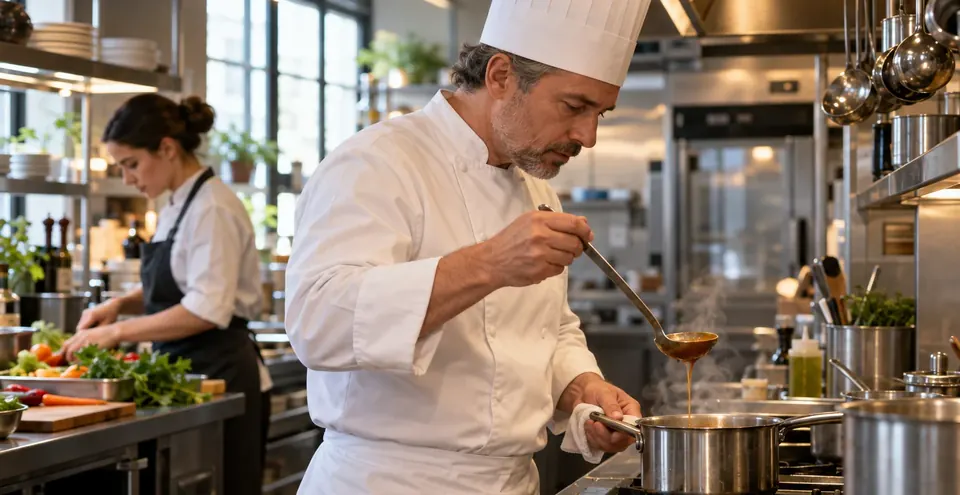
Saint Vincent and the Grenadines has a hospitality trade based on sailing and island resorts, so seasonal hotel and restaurant jobs are found across Saint Vincent and the smaller islands. Bequia is the busiest hospitality island after Saint Vincent, and Port Elizabeth, along Admiralty Bay, has waterfront restaurants, guesthouses, bakeries and bars catering to sailors and visitors. Roles, skills and languages vary. Seasons, hiring conditions, housing, transport and permits depend on the employer. Applicants with experience in sailing communities or small hotels have an advantage, and local contacts help.
Hotel and restaurant jobs in Saint Vincent and the Grenadines: where they are found
Mustique and Canouan are different. Mustique is a private island with a small number of luxury villas, a hotel, a beach bar and a famous market, and employers recruit housekeepers, cooks, gardeners and drivers, often through the company that manages the island. Canouan has a resort area and a marina that employ service teams, with some staff transported from other islands.
On Saint Vincent, hotels and restaurants cluster around Kingstown, Villa and Young Island on the south coast, and near the airport at Argyle. Restaurants serve local seafood, roti, breadfruit and callaloo soup alongside international dishes. Small cafes and rum shops offer shift work, mostly arranged directly with the owner and paid by the day or week.
Standards vary between the luxury end and the local end of the market. Villas and resorts train staff in service, wine, cocktails and discretion, and they often promote reliable employees. Small guesthouses and snack bars run with a handful of people who share all tasks, and the atmosphere is closer to a family business than a corporate hotel.
Roles, skills and languages for seasonal hotel work in Saint Vincent and the Grenadines
Typical roles include waiter, bartender, cook, kitchen helper, housekeeper, laundry worker, front desk agent, driver, gardener and boat attendant. Villas hire butlers, nannies and private chefs. Entry posts are often taught on the job, while head chefs and managers need proven experience, usually earned in other resorts in the Caribbean.
| Role | Main tasks | Skills employers value |
|---|---|---|
| Waiter | Serve meals, manage tables, handle bills | Friendly manner, English, menu knowledge |
| Bartender | Prepare cocktails and rum punch | Speed, cash handling, product knowledge |
| Cook | Prepare Caribbean and international dishes | Seafood skills, hygiene, consistency |
| Housekeeper | Clean villas and rooms | Reliability, discretion, attention to detail |
Language and style of service
English is the official language and the language of service, and Vincentian speech has its own rhythm and vocabulary. Guests are mostly from North America, the United Kingdom and Europe, and many are sailors who arrive by yacht. French or German phrases may help with some groups, but friendliness and clear communication matter most.
Hygiene and food safety are inspected by the health authorities, and cooks should know safe storage of fish and meat in tropical heat. Training is available through the community college and through employers. Certificates in food handling, first aid and customer service are valued, and they show that a candidate takes the work seriously.
Harbour restaurants and beach bars are an important part of the picture. In Bequia and Union Island, yachtsmen arrive by dinghy for dinner, and bars host barbecue nights and live music. Waiters and cooks work long evenings, and sea breezes and wet weather affect the pace. Reliable staff who stay calm when the restaurant is full are valued.
Seasons, hiring and conditions
Most hotels recruit between September and November for the season that starts in December. Easter is a second peak, with regattas drawing crowds to Bequia and Union Island. In the wetter months from June to November, some properties close for repairs, reduce hours or hire only a small team.
Contracts may be seasonal or permanent, and shifts include evenings and weekends. Service charges are added to many bills and shared among staff according to the hotel's system, so ask how the share is calculated. Uniforms and meals on duty are often provided, but transport and housing depend on the employer.
Labour rules cover hours, rest days, leave and notice, and employees should receive written terms. Workers are registered with the National Insurance Services, and payslips should record deductions. If a dispute arises, the Labour Department can advise, and it is helpful to keep notes of hours worked and messages from supervisors.
Local ingredients shape the menu. Cooks prepare grilled lobster, tuna, mahi-mahi, flying fish, roasted breadfruit, fried plantain, rice and peas, and sweet potato pie, along with international dishes. A chef who can present these dishes well, and who sources fruit and vegetables from local growers, has a clear advantage with guests who want to taste the islands.
Housing, transport and permits
Housing is a major factor on the small islands. Mustique and Canouan employers often provide rooms for staff, while on Bequia and Saint Vincent many workers live in their own homes. Ask whether the room is shared, who pays for utilities and how you travel between the home island and the workplace, especially if you must use a ferry.
Ferries connect Saint Vincent, Bequia, Canouan, Mayreau and Union Island, but timetables are fixed and weather can cancel crossings. Staff who commute by boat should ask how the employer handles late arrivals and missed ferries. Having a back-up plan prevents penalties and keeps your reputation intact in a small community.
Non-nationals need a work permit tied to a named employer, and the employer normally starts the process with the labour authorities. A visitor stay does not allow work. Skilled posts such as chefs, managers and engineers are the most likely to receive permits, since employers must show that local candidates are not available.
Training is available. The community college in Kingstown runs hospitality courses, and the hotel association and employers organise workshops in service, food safety and supervision. A worker who has completed a course, or who has experience in another Caribbean resort, can often negotiate better terms and may be offered a longer contract.
Also remember the practical side of the sea. Provisions for the smaller islands travel by ferry or boat, and supplies may arrive late in rough weather. Kitchens plan carefully, and staff learn to improvise with what is available. Patience and a problem-solving attitude are appreciated by managers across Saint Vincent and the Grenadines.
Check small details before signing. Ask about the day off, the uniform, free meals and how overtime is paid on busy Easter weekends. A written summary of these points protects both the worker and the employer, and managers in Saint Vincent and the Grenadines appreciate applicants who ask sensible questions.
Frequently asked questions
Which islands have the most hotel and restaurant jobs?
Saint Vincent itself has the largest number of jobs overall, followed by Bequia, Canouan and Mustique, where resorts and villas operate in the winter season. Union Island and Mayreau have smaller hotels and restaurants that depend on the yacht trade.
Saint Vincent and the Grenadines: do hotels provide staff housing?
On Mustique and Canouan, employers often provide rooms, while on Bequia and Saint Vincent many staff live at home. Ask for details in writing, including who pays for utilities and transport, and what happens to the room if the contract ends early.
Saint Vincent and the Grenadines: when should I apply?
Apply between September and November for the high season starting in December. Visit hotels and restaurants in person if possible, and bring references, certificates and a short written application. Managers plan rosters early, and late applicants may only find casual shifts.
Where to find these jobs
- Saint Vincent and the Grenadines Hotel and Tourism Association — Association of hotels, restaurants and tourism firms that represents employers and promotes service standards.
- Saint Vincent and the Grenadines Tourism Authority — National tourism body that promotes the islands and publishes visitor and event information for operators.
- Saint Vincent and the Grenadines Community College — National college that offers hospitality and vocational courses for local students and workers.
- Department of Labour, Saint Vincent and the Grenadines — Government office that handles work permits, employer duties and worker complaints.
Official and legal references
- Government of Saint Vincent and the Grenadines — Official government portal with ministries, labour and immigration information and public notices.
- Saint Vincent and the Grenadines Tourism Authority — Official tourism site with islands, hotels, restaurants and events for visitors.