Ecuador: seasonal fruit and vegetable picking jobs on banana, mango and highland farms
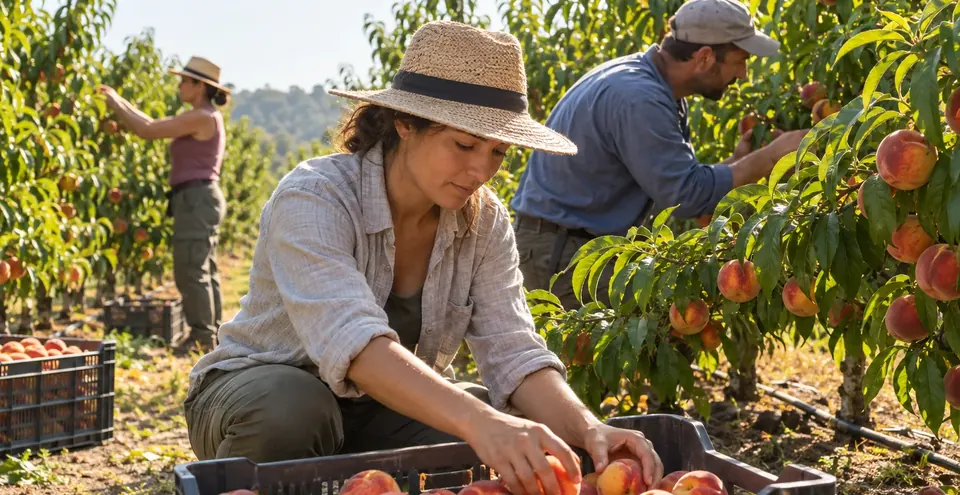
In Ecuador, seasonal fruit and vegetable picking jobs are concentrated in the coastal provinces of Los Rios, Guayas and El Oro, where bananas, mangoes and passion fruit grow, and in highland provinces such as Carchi, Tungurahua and Chimborazo, which produce potatoes, berries and tree tomatoes. Work is manual, outdoors and often paid by the day or by the task. The Labour Code protects agricultural workers, but informality is common, so confirming the contract, social security registration and pay terms is as important as choosing the crop.
This page in other languages : Español
Crops, provinces and calendars
Bananas dominate coastal agriculture. Plantations in Los Rios, Guayas and El Oro cut bunches throughout the year, pack them in boxes and ship them from the port of Guayaquil, so work is steadier than in seasonal crops. Mango harvests cluster in the dry months on farms around Guayaquil and Los Rios, and passion fruit, pineapple and papaya are picked on smaller plots in the river basins.
Cacao is harvested in two main periods linked to the rains, and pods are opened by hand and the beans put out to ferment and dry. Manabi, Los Rios, Guayas and Esmeraldas are the main producing provinces. In the Sierra, farmers lift potatoes in Carchi and Chimborazo, harvest onions and carrots in Tungurahua, and pick blackberries, tree tomato and taxo in mid-altitude valleys.
Fruit festivals show the importance of the sector. Ambato celebrates its Fruit and Flower Festival around carnival, bringing visitors and extra work for vendors, parade organisers and transport. Local markets such as those in Ambato, Riobamba and Ibarra sell harvests to traders, and workers who load trucks at dawn form part of the seasonal workforce.
Flowers deserve a mention even though they are not fruit or vegetables, since they shape the rural labour market. Farms around Cayambe, Latacunga and Cotacachi employ thousands of people, many of them women, in cutting, grading and packing roses for export, and the weeks before Valentine's Day and Mother's Day are intense. Workers who finish a fruit harvest often move to flower farms, so the two sectors share a pool of labour.
Tasks, rhythm and pay
Pickers cut mango with a pole and basket, lift bunches of bananas onto cable lines, snap blackberries into small trays and fill sacks with potatoes. Packing sheds near Machala and Guayaquil wash, select, label and box fruit for export, with workers standing at tables for long shifts. Each crop needs different care, and supervisors explain how to avoid bruising and meet quality standards.
| Crop | Typical provinces | Main tasks |
|---|---|---|
| Bananas | Los Rios, Guayas, El Oro | Cutting bunches, washing, packing |
| Mango | Guayas, Los Rios | Picking, sorting, boxing |
| Cacao | Manabi, Esmeraldas, Los Rios | Cutting pods, opening, drying beans |
| Potatoes | Carchi, Chimborazo | Digging, bagging, loading |
| Berries and tree tomato | Tungurahua, Cotopaxi | Careful picking, grading, packing |
Payment can be a daily wage, an hourly rate, a monthly salary on formal plantations or a piece rate per box, sack or bunch. The employer must pay at least the legal minimum when the work is converted into a daily figure and must register the worker with the social security institute. Ask exactly how a normal day is measured before agreeing to a rate.
The work is demanding. Mornings begin early to avoid midday heat, and rain can make slopes and tracks dangerous. Ladders, machetes, pole cutters and trucks create accident risks, and plantation sheds can be hot and humid. Newcomers should expect to feel tired in the first week and plan rest days, especially if they are not used to equatorial heat.
Quality rules in export fruit are strict. Packing houses check size, colour, ripeness and absence of blemishes, and pickers are trained to handle bananas by the bunch without scratching the skin. Hygiene stations, hairnets, gloves and clean uniforms are standard in certified plants. These procedures can feel slow to newcomers, but they protect product quality and workers, and compliance with them leads to steadier hours.
Weighing and counting systems deserve attention. When pay depends on boxes or sacks, ask who weighs the load, whether scales are checked and how disputes about quantity are settled. Many farms use tally cards or tokens, and a worker should keep a personal note of each day's total. Clear records prevent arguments on payday and make it easier to compare farms.
Housing, health and protection
Many workers live in nearby villages, but some farms provide camps or rented rooms, especially during peak harvests. In coastal towns such as Babahoyo, Quevedo, Machala and Milagro, workers rent small rooms and share kitchens. If housing is offered, ask about water, bathrooms, security and rent deductions, and avoid verbal arrangements that may change unexpectedly.
Agrochemicals are widely used on banana and flower farms, so workers must receive training, protective clothing and information on re-entry times. Pregnant workers and adolescents must not be assigned to hazardous tasks. Report headaches, rashes or breathing problems to a supervisor and visit a clinic of the social security institute, noting the date and symptoms in case of a later claim.
- Wear closed boots, gloves and a hat
- Carry water and a light rain jacket
- Keep your identity card and contract copy in a waterproof bag
- Record days worked and payments received
Labour inspectors from the Ministry of Labour can visit farms, and workers may complain about unpaid wages, unsafe housing or missing insurance. Peasant associations and community groups can also help with advice. Because rural areas can be remote, keep a phone number for local authorities and a plan for medical transport.
Women and men work side by side in packing and picking, but pay should not differ for the same task. Ecuadorian law prohibits discrimination and protects maternity leave, and agricultural unions and rural women's associations support workers who face unfair treatment. Anyone who experiences harassment or unequal pay should speak to a trusted supervisor, the labour inspectorate or a community organisation as soon as possible.
Frequently asked questions about picking jobs in Ecuador
Do I need experience to start?
Rarely. Supervisors teach newcomers how to judge ripeness, cut safely and fill containers, and speed improves within days. Those paid by weight or box may earn less at first. Look for a farm that explains the task, provides gloves and boots and offers a daily wage during the learning period.
Are foreigners allowed to pick fruit?
Only with a visa or permit that allows paid work. A tourist stay does not authorise farm labour, and farms that employ undocumented foreigners face sanctions. Foreign applicants should confirm their migration category with the foreign ministry and sign a written contract registered with the labour authority.
Which season offers the most work?
Bananas and cacao keep farms busy year-round, mango peaks in the dry months, and highland vegetables follow planting cycles. Flowers have intense peaks before Valentine's Day and Mother's Day. Ask local farms about their next harvest dates, and arrive a week early to find housing and settle.
Think about money before you arrive. Rent deposits, food while waiting for the first payday and transport between farms all cost money, and wages are often paid weekly or every two weeks. Use a bank or mobile money account if you can, keep receipts, and avoid borrowing from foremen or intermediaries who charge interest or promise guaranteed work in exchange for a fee.
Be realistic about earnings. Seasonal work can bring a useful income, but costs of travel, rent and food may absorb much of it, particularly for people who move from another province. Before leaving home, calculate the daily rate, the expected number of days and the expenses, and compare them with the cost of staying. A clear budget avoids disappointment and helps you decide whether the job is worth taking.
Where to find these jobs
- Ministerio de Agricultura y Ganaderia — Agriculture ministry that supports farmers, supervises rural programmes and publishes crop information
- Agencia de Regulacion y Control Fito y Zoosanitario — Plant and animal health agency that supervises pesticide use, export requirements and farm inspections
- Ministerio del Trabajo — Labour ministry that inspects farms, registers contracts and provides a public job platform
- Instituto Ecuatoriano de Seguridad Social — Social security institute that insures agricultural workers and manages health and accident coverage
Official and legal references
- Ecuador Travel — Official tourism portal with information on rural destinations, regions and festivals in English
- Ministry of Foreign Affairs and Human Mobility of Ecuador — Foreign ministry site that explains visa categories and migration procedures for foreigners