Liechtenstein: seasonal fruit and vegetable picking jobs are rare, but vineyards, orchards and alpine farms exist
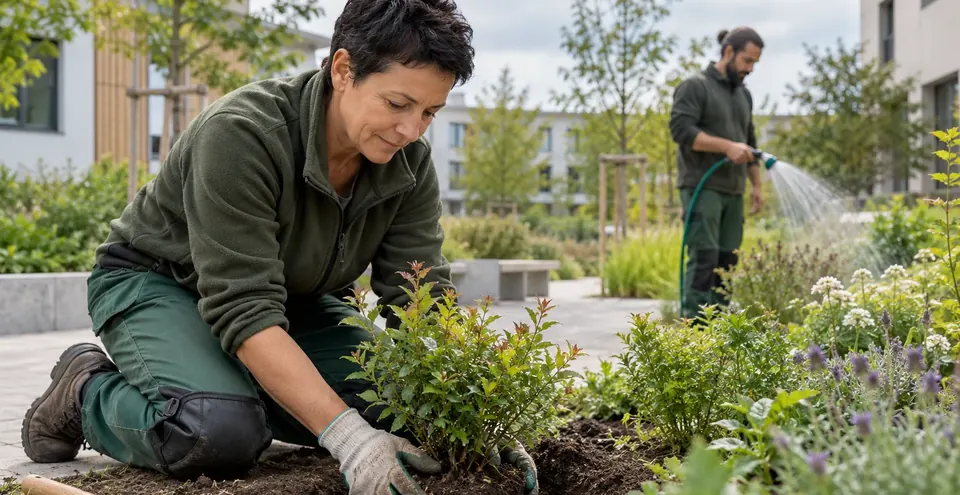
In Liechtenstein, seasonal fruit and vegetable picking jobs exist only on a small scale, because the principality covers about 160 square kilometres, much of it mountain and forest. The valley floor holds family farms, orchards, a few market gardens and vineyards, and the best-known estate belongs to the princely house in Vaduz. Work is short and often handled by local families and a few hired helpers. Those who want larger harvests usually look across the border, in the Swiss Rhine Valley or in Vorarlberg, while staying aware of permit rules.
This page in other languages : Français
What agriculture really looks like
Honesty is useful here. Liechtenstein is not a country of large fruit plantations or vegetable fields employing crowds of pickers. Agriculture occupies a small part of the economy, and farms are generally family businesses focusing on dairy cattle, meadows, fodder, maize and some orchards. Jobs for foreign harvest workers are therefore limited, and many posts are filled by relatives, neighbours or residents.
The flat Rhine plain in the municipalities of Ruggell, Mauren, Eschen, Schaan, Vaduz and Balzers is the main farming zone. Maize grown here is the base of Riebel, a traditional dish, and the old variety Rheintaler Ribelmais is a protected regional product shared with the Swiss side. Apples, pears and cherries grow in traditional tall-tree orchards, picked in late summer and autumn.
Higher up, farming turns to alpine pasture. Cattle graze in summer in areas such as Valüna, Sücka and the Saminatal, and herders spend weeks looking after animals and producing mountain cheese. This is livestock work rather than fruit picking, but it is one of the genuine seasonal rural jobs in the country, followed by the autumn descent of the herds and the farmers' gatherings.
Cattle farming dominates the picture and shapes the farming calendar. Spring begins with fertilising and sowing, and the first hay cut usually falls in late May or June, followed by a second and a third cut in the warm months. Dairy farms need helpers for these intense periods, and the same people may also pick fruit when apples ripen. The mixed nature of the work gives short contracts a varied character.
Vineyards and orchards
Wine is the best-known crop. The Hofkellerei des Fürsten von Liechtenstein manages the Herawingert vineyard in Vaduz, below the castle, and other growers cultivate vines in Balzers, Triesen, Schaan and Eschen. Pinot noir, called Blauburgunder locally, is the main variety, with Chardonnay and Riesling-Sylvaner also grown. Harvest takes place in autumn, usually in October, with careful hand picking.
Spring tasks include pruning, tying vines and thinning leaves, while summer needs green work and canopy care. Because estates are small, they typically use a stable team supported by a few extra helpers at harvest. Experience in vineyards in Austria, Switzerland, Germany or Italy is an asset, and the work is physical, with steep rows and early starts when cool air protects the grapes.
| Month | Task | Place |
|---|---|---|
| March to April | Pruning and tying vines | Vaduz, Balzers, Triesen |
| June to July | First hay harvest, leaf work in vineyards | Rhine plain, vineyards |
| August to September | Apples, pears and plums, cattle descent from alps | Orchards, Saminatal, Valüna |
| October | Grape harvest, maize harvest | Vaduz, Schaan, Rhine plain |
Self-picking and farm shops provide another small window. Some farms offer strawberries or other soft fruit in early summer, and apples, pears and plums in autumn, which visitors can buy directly. A farm shop also sells cider, juice and schnapps made from local orchards, known as distillates, which are a regional speciality. Staff in these shops combine sales, packing and light harvest tasks.
Rules, protection and conditions
Liechtenstein's labour and residence rules apply to farm work in the same way as to other jobs. Citizens of EEA states may work, but new residence permits are limited, and non-EEA citizens face strict conditions. Because the farm workforce is small, authorities scrutinise applications carefully, and employers cannot promise a post before permission is granted. Never accept cash work without registration, as it exposes you to penalties.
Working conditions are generally orderly, reflecting Swiss and Alpine standards. Employers must register staff for accident insurance and old-age insurance, and agricultural employees are entitled to rest periods and safe equipment. Machinery use, such as tractors and mowers, requires training, and safety equipment is provided. If conditions appear unsafe, contact the labour authorities in Vaduz and keep written records.
Pay for casual harvest help depends on the employer and is usually hourly. Because living costs are high, staying in Liechtenstein only for a harvest is expensive unless the farm provides lodging. Workers living in Vorarlberg, around Feldkirch, or in the Swiss Rhine Valley sometimes commute daily to the principality for a few weeks, an arrangement that must still comply with work authorisation rules.
The topic of sustainability appears often. Liechtenstein's authorities and farmers support meadow orchards, flower-rich meadows and biodiversity in the valley, and many farms follow environmental programmes. This affects work practices, such as limited spraying, mowing at set dates and care for hedgerows. Workers should expect to learn rules about plant protection and to follow instructions carefully, which is the same approach as in neighbouring Switzerland.
Finding harvest work nearby
For larger-scale harvesting, look to the surrounding regions. The Swiss canton of St. Gallen has orchards and vegetable farms in the Rhine Valley, and Graubünden, around the Bündner Herrschaft near Maienfeld and Fläsch, is a well-known wine region. Vorarlberg grows fruit around Lake Constance. These areas run their own recruitment, and each requires its own permit situation.
Contact is generally direct. Farm shops, wine estates and farmers' associations publish a notice when helpers are needed, and local advertisements appear in regional newspapers and community boards. Writing a short message in German, giving your availability, your experience and your right to work, is more effective than sending a mass of applications to unrelated companies.
Seasonal planning should allow for weather. A cold spring delays the vine cycle, and a wet autumn can compress the harvest into a few days. Be ready for a call at short notice, bring waterproof clothing, sturdy shoes and gloves, and clarify transport and meals. If the farm is on a steep slope, ask about the terrain before you accept the work.
Because the opportunities are so modest, honesty serves jobseekers best. A person who wants a classic fruit-picking season with long weeks of steady work should plan for the Swiss Rhine Valley, Vorarlberg, or Lake Constance orchards, and treat Liechtenstein as a possible short engagement. Those who live in the region may combine a few days at a vineyard in Vaduz with work on a nearby farm across the border.
A last practical point concerns equipment and timing. Pickers in the Rhine plain should carry waterproof gloves, a hat, sturdy boots and a light jacket, because mornings can be cold even in September. Work usually starts early, before the sun reaches the slopes, and ends when the fruit or grapes are collected. Ask the farmer how long the harvest will last, who provides crates and ladders, and whether a hot drink or lunch is offered, since small farms in Liechtenstein often treat helpers as part of the family team.
Harvest questions answered
Is there a fruit-picking season in Liechtenstein?
Yes, but it is small. Apples and pears are picked in late summer and autumn, and grapes in October. Work is spread across a handful of farms rather than large plantations.
Can I come as a backpacker to pick fruit?
It is unlikely to work. Housing is expensive, vacancies are few and permits are restricted. Harvest work is better sought in larger farming regions nearby, after checking the legal position there.
Are alpine jobs included?
Alpine herding is a separate type of seasonal work and is usually taken by experienced farm families or specialised staff. It is not fruit and vegetable picking, but it is the most characteristic summer rural job.
Where to find these jobs
- Hofkellerei des Fürsten von Liechtenstein — The princely wine estate in Vaduz that manages vineyards, makes wine and welcomes visitors, and relies on helpers at harvest.
- Amt für Umwelt — The Office of the Environment, which oversees agriculture, land use and nature protection and can direct people to farming organisations.
- Liechtensteiner Bauernverband — The farmers' association that represents agricultural businesses and can provide information on farm structures and seasonal needs.
- EURES — The European employment network that lists harvest vacancies in neighbouring Switzerland and Austria and advises workers moving within the region.
Official and legal references
- Liechtenstein national administration portal — The official government portal in English with information on agriculture, the environment, work permits and public offices.
- EURES European job mobility portal — The official European portal in English presenting vacancies and conditions for workers in Liechtenstein, Switzerland and Austria.