Liechtenstein: seasonal hotel and restaurant employment opportunities in Vaduz, Malbun and the valley
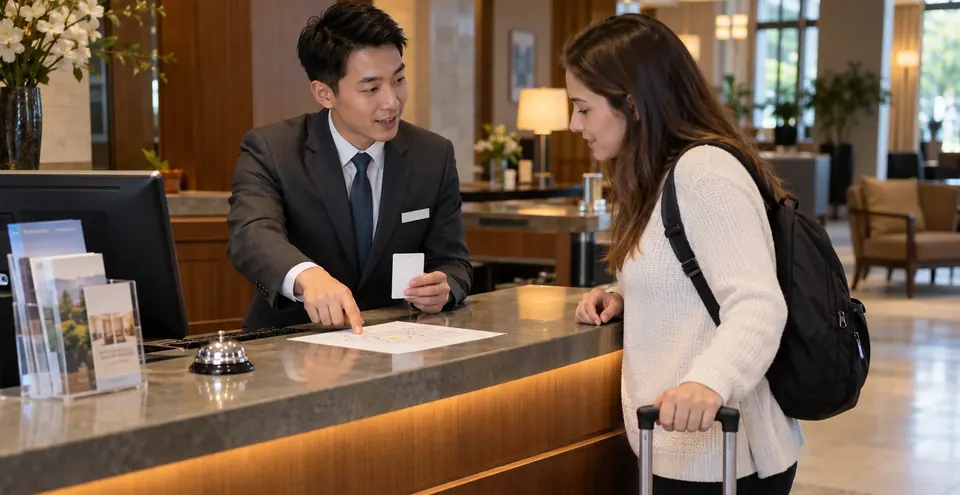
Across Liechtenstein, seasonal hotel and restaurant employment opportunities are limited in number but varied in character, ranging from alpine inns in Malbun to elegant dining rooms in Vaduz. Demand rises in winter for the ski season and in summer for hikers, cyclists and visitors to the capital. Positions include service staff, cooks, kitchen assistants, receptionists and housekeepers. German is the working language, wages follow Swiss price levels, and permit rules are strict, so most posts go to residents or to cross-border commuters who already have the right to work.
This page in other languages : Français
Dining rooms, inns and mountain restaurants
The hospitality scene is compact. Vaduz concentrates the principality's hotels, wine taverns and gastronomic restaurants, many near the pedestrian Städtle, the main street with galleries, museums and cafes. Schaan and Balzers also have inns and hotels that serve business travellers and local clientele, and their kitchens keep a regular team throughout the year rather than hiring large seasonal crews.
Mountain hospitality adds a seasonal layer. Malbun, at about sixteen hundred metres, has hotels, guest houses and restaurants that operate primarily in the ski season and during summer hiking, and Steg, with its tunnel link to the Valüna valley, offers similar services. Triesenberg, home of the Walser community, hosts a village museum and restaurants serving regional dishes such as Käsknöpfle, cheese noodles often served with apple sauce.
Menus reflect both Alpine and Swiss influences. Riebel, a dish made from Rhine Valley corn, appears alongside Rösti, sausages, cheese fondue and fresh trout. The prince's winery in Vaduz supplies wines to many local restaurants, so staff may be asked to explain pairings. Learning about local products makes service more convincing and is appreciated by guests who visit specifically for regional cuisine.
Guests in Liechtenstein often arrive with high expectations of quality and discretion. Many visitors are business people, art lovers heading to the Kunstmuseum in Vaduz, cyclists following the Rhine, and families who combine Malbun with a trip to Switzerland. Staff are expected to be polite, well groomed and efficient, to anticipate needs without being intrusive and to deal with complaints calmly. Such standards are demanding, but they also create stable relationships between employers and their regular teams.
Positions and working life
Service positions are the most visible. Waiters in Liechtenstein often work split shifts, handle mixed groups of Swiss, Austrian and German guests, and are expected to be accurate with orders and payment. In ski season, mountain restaurants require quick lunch service, outdoor terrace work and the ability to carry equipment on snow, while evening shifts in hotels focus on dinners and events.
Kitchen teams include chefs de partie, commis, dishwashers and pastry cooks. Swiss vocational standards for gastronomy influence expectations, so applicants with formal training from Switzerland, Austria or Germany are preferred for skilled posts. Housekeeping staff, receptionists and night porters are hired with attention to languages, reliability and discretion, because the clientele includes business executives and visitors from the finance sector.
| Role | Typical season | Skill emphasis |
|---|---|---|
| Service staff | Winter and summer peaks | German, speed, accuracy |
| Cook or commis | Ski season, events | Vocational training, hygiene |
| Housekeeper | Year-round with peaks | Reliability, discretion |
| Mountain restaurant helper | December to March | Fitness, flexibility |
| Event waiter | Summer and national holiday | Teamwork, languages |
Because the country is small, one employer may need staff in both a hotel restaurant and an affiliated event, so flexibility is valued. Workers who can step in as bartender or breakfast attendant when required are more likely to be kept on after a trial period.
Menus are shaped by local ingredients and neighbouring cuisines. Dairy products, cheese from alpine pastures, trout, game in autumn, asparagus in spring and wines from Vaduz and the Swiss Graubünden appear in restaurants, and service staff are asked to describe dishes in detail. Allergen information must be accurate, and new employees are normally trained in it during their first days, since mistakes can have serious consequences for guests.
Permits, pay and housing
The permit situation shapes the market. EEA citizens may work in Liechtenstein, yet residence permits are subject to quotas, and employers must register staff with the authorities. Third-country nationals face tight conditions. Many hospitality workers therefore live in Austria, in places such as Feldkirch, or in the Swiss canton of St. Gallen and commute across the border each day.
Pay is related to the high cost of living. Contracts normally specify a monthly or hourly wage, working time, holiday entitlement and notice period, and may follow standards set by hospitality associations. Do not rely on fixed amounts from online forums. Ask the employer for the exact salary in Swiss francs, the treatment of tips and whether meals during shifts are provided.
Staff accommodation is a major advantage in Malbun or Vaduz, where rents are high. Some hotels provide rooms within the building or nearby apartments, with a deduction clearly stated in the contract. Before accepting, confirm the room's size, how many people share it, the distance from the workplace and what happens to your housing if you leave before the end of the season.
Training pathways reflect the Swiss and Austrian system. Many young people in the region complete a vocational apprenticeship in cookery or restaurant service, which combines practical work with school days, and employers like to hire people with this background. Foreign workers without such a diploma can start in assistant roles and, with experience, show their abilities. Language courses in German, offered in Vaduz and nearby towns, are a sensible investment for anyone planning to stay.
Applying for restaurant and hotel jobs
Write to the establishment directly. A concise letter in German, supported by a curriculum vitae, a photograph, work certificates and references from previous employers, is the standard dossier. Include your availability dates, your nationality and the type of permit you hold. Employers dislike surprises, and clarity about your legal situation speeds up a decision.
The best timing depends on the season. Winter staff in Malbun are usually chosen in autumn, while summer and event staff are selected in spring. Contact several employers, follow up politely after a week and be ready for a short trial day. Managers in this region value people who arrive on time, dress neatly and show interest in the details of the work.
Networking helps. Chefs and hotel managers move between Liechtenstein, the Swiss Rhine Valley and Vorarlberg, and a good recommendation from one place can open doors in another. Hospitality schools in nearby regions place trainees in the principality, and graduates sometimes remain for a season or longer. Seasonal workers who return in later years often receive priority.
Seasonal peaks can be intense even in a small country. Weddings in summer, company events in spring, Christmas parties in December and national holiday celebrations produce a rush that requires extra hands for a few days or weeks. Employers often keep a list of reliable people they can call at short notice, so making a good impression on one shift can lead to repeated invitations. Be flexible and tell them clearly when you are free.
Questions from hospitality jobseekers
Do hotels in Liechtenstein offer accommodation?
Some do, mainly in Malbun and for key staff. Rooms are limited, so ask early and get the conditions in writing. Many employees live across the border and commute.
Is the season long enough to be worthwhile?
Winter in Malbun runs roughly from December to March, depending on snow. Summer activity is spread across May to October. Combining a winter and a summer post can give around eight months of work.
How much German do I need?
A good working level for guest service, and at least basic German for kitchens. Staff communicate with local guests in standard German and with colleagues in dialect, so an ear for both helps.
Where to find these jobs
- Liechtenstein Marketing — The national tourism organisation that promotes the principality to visitors and maintains contacts with hotels, restaurants and mountain operators.
- Amt für Volkswirtschaft — The Office of Economic Affairs that oversees labour market policy and offers job placement support for people registered in the principality.
- Liechtensteinische Industrie- und Handelskammer — The chamber of industry and commerce that represents employers, including those in hospitality, and publishes economic information.
- EURES — The European employment network that publishes vacancies from Liechtenstein and its neighbours and offers advice to mobile workers.
Official and legal references
- Liechtenstein national administration portal — The government portal in English with information on work, residence rules, social insurance and public offices in the principality.
- EURES European job mobility portal — The official European portal in English with job offers, commuting guidance and information on living and working in EEA countries.