Vanuatu: seasonal holiday resort activity leader jobs for guides, divers and cultural hosts
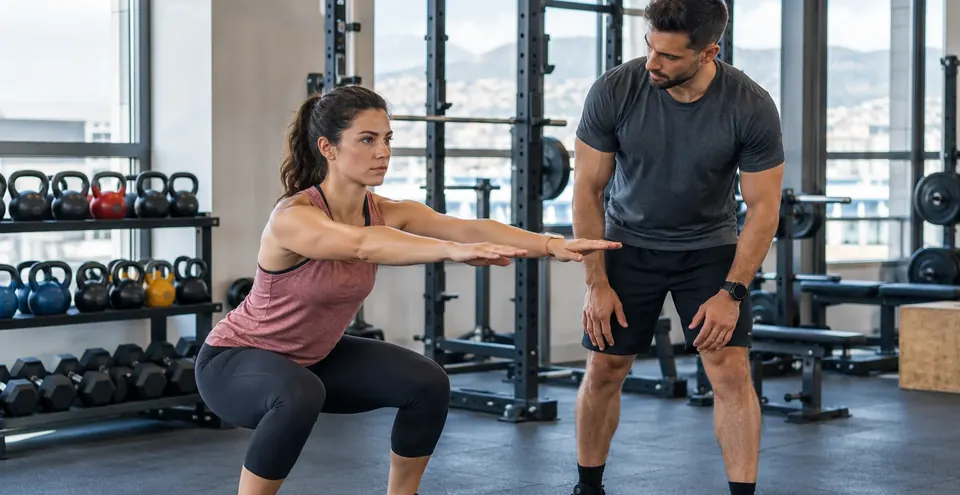
In Vanuatu, seasonal holiday resort activity leader jobs cover guides, instructors and hosts who run excursions, water sports, children's activities and cultural evenings for guests in Port Vila, Luganville, Tanna and island resorts. The work includes snorkelling and dive support, volcano and waterfall tours, kayaking, fishing, kava ceremonies and kastom dance. Most roles are filled by ni-Vanuatu with local knowledge. Staff need first aid, swimming skills, languages and respect for custom. Foreigners require a work permit, and anyone working with children must follow strict safeguarding rules and safe supervision around water.
This page in other languages : Français
What activity leaders do in the islands
Tourism in Vanuatu is built around nature and culture. Port Vila offers boat trips to Hideaway Island, snorkelling, kayaking, zip lines, waterfalls and cultural villages, while resorts host kids' clubs and evening shows. On Espiritu Santo, activities include diving on the SS President Coolidge, swimming in the Blue Holes, trekking to Matevulu Blue Hole and visiting Champagne Beach. Tanna offers the Mount Yasur volcano, the Yakel custom village and coffee plantations, while Ambrym and Pentecost provide dramatic cultural festivals and treks to volcanoes.
Leaders are often called guides, hosts or tour coordinators. Their tasks include greeting guests, giving safety briefings, driving or boating them to sites, explaining history and kastom, managing small groups and returning them safely. Many are local people who know the land and sea intimately and who share family connections with village communities. Their authority comes from knowledge and respect, and visitors are encouraged to follow their guidance, especially at sacred places or near active volcanoes.
Child-friendly activities are an important part of resort life. Kids' clubs organise treasure hunts, painting with natural dyes, beach games, weaving lessons and short nature walks. Leaders need patience, energy and a clear plan for the day, as well as a good understanding of safety near pools and the sea. Parents appreciate staff who tell them what children have done and who respect their wishes about meals, sun protection and rest.
Starting out is easier for locals who build skills step by step. A young person can volunteer with a village tourism project, take a first aid course, assist a guide for a season, then take a licence or certificate. Local tourism associations and training centres offer short courses, and larger resorts may offer trainee roles. Foreign candidates should be realistic: the market is small, jobs go first to residents, and permits are granted only when no local worker has the skills required.
Skills, certificates and language
Safety training is vital. Guides should hold first aid certificates, water safety training and, where appropriate, instructor ratings from recognised dive or sports organisations. Volcano guides need to understand alert levels issued by the national geo-hazards service and to cancel visits when conditions are dangerous. Boat operators need licences and lifejackets, and tours must follow regulations. Employers also value experience with children, as families make up a large share of visitors in school holidays.
English is the most common language with guests, French is useful for francophone visitors, and Bislama is the working language among staff. Japanese or Chinese speakers may find openings with visitors from those countries. Good guides combine technical safety knowledge with storytelling. They know legends, songs and the history of the islands, from early contact and Condominium rule to independence in 1980, and can answer questions honestly. A friendly, calm voice and a sense of humour help to soothe nervous visitors.
Evening entertainment mixes tradition and comfort. Resorts may host string band music, singing, dance performances from nearby villages, fire shows and kava tasting. Local performers share stories about their islands, and guests may be invited to try a dance step. Hosts should explain the meaning of customs and avoid turning sacred ceremonies into spectacle. Where payment is made to the community, it should be transparent and agreed in advance, and performers should be thanked in public.
Working with custom, communities and children
Tourism in Vanuatu depends on respect for land and custom. Many sites belong to families or villages, and guides must ensure that access is permitted and that fees reach the owners. Visitors should ask before photographing ceremonies, avoid touching sacred objects and follow dress guidelines. Cultural shows should be performed by the people who own the traditions. Organisations that pay performers fairly and share income with communities are more sustainable and are preferred by responsible travellers.
Child protection rules apply in kids' clubs and tours. Responsible employers require staff to follow supervision policies, avoid private contact with minors, take photographs only with consent and report concerns at once. Police checks may be requested. Water safety is critical: staff count children before and after each activity, use lifejackets, and watch for currents and tides. The table summarises typical roles and requirements, and shows how guiding, instruction and hosting are separate paths.
| Role | Setting | What employers look for |
|---|---|---|
| Volcano and trek guide | Tanna, Ambrym, Santo | Hazard knowledge, fitness, first aid, storytelling |
| Dive and snorkel assistant | Port Vila, Luganville | Certificates, safety skills, patience |
| Children's club host | Resorts and family hotels | Safeguarding awareness, creativity, first aid |
| Cultural host | Resorts and villages | Language, kastom knowledge, respect |
Water sports require competence. Kayaking, stand-up paddling, snorkelling, glass-bottom boat trips and fishing excursions are common. Guides must check weather and tide conditions, brief guests, supply life jackets and keep groups together. Coral reefs are fragile, so guides teach guests not to stand on coral or take shells. Knowing basic rescue techniques and carrying a radio and first aid kit are essential, and operators should have a clear emergency plan that all staff understand.
Seasons, pay and permits
Demand peaks in the dry months from May to October, in school holidays and around cruise arrivals. Activity businesses usually reduce operations during the cyclone season. Pay is modest and may include meals or accommodation, with some guides paid per trip or per guest. Written agreements should state fees, rest days, insurance and what happens if tours are cancelled by weather. Staff should ask about injury cover, because accidents on boats and tracks can occur and medical facilities are limited.
Foreigners need a work permit arranged by the employer, and visitors cannot work on a tourist entry. Local candidates can build careers by training at institutions in Port Vila, joining a tour company as an assistant and gaining certificates. Information about registered operators is available from the national tourism office and the chamber of commerce. Treat offers that require payment for a job as a warning sign, and verify the employer's licence, address and references before accepting.
Volcano visits demand special caution. Mount Yasur on Tanna is one of the most accessible active volcanoes in the world, and the national geo-hazards service issues alert levels that guide access. Guides must check the level before every visit, stay with groups, and follow the rules agreed with the custom owners. When the volcano is too active, visits are cancelled. This responsibility makes experienced guides respected figures, and it underlines how safety and respect for local authority come before any commercial pressure.
Frequently asked questions about activity jobs
Do Vanuatu resorts have entertainment teams?
Some larger resorts have activity coordinators and kids' clubs, but most entertainment comes from local guides, performers and tour operators rather than large animation teams.
Do I need training to guide a volcano tour?
Yes. Guides need first aid, knowledge of volcano alert levels, local permission and experience with the site. Safety is monitored by the national geo-hazards service.
Can foreigners work as guides?
Only with a valid permit and a sponsoring employer. Local people usually have priority, and custom owners control access to many sites, so approval from communities is important.
Where to find these jobs
- Vanuatu Tourism Office — National tourism organisation that promotes activities and supports guides, tour operators and cultural tourism businesses.
- Vanuatu Hotels and Resorts Association — Association of hotels and resorts that works on standards, training and cooperation between accommodation providers.
- Vanuatu Meteorology and Geo-hazards Department — National agency that publishes volcano alert levels, weather forecasts and cyclone warnings used by guides and operators.
- Vanuatu Chamber of Commerce and Industry — Business association that supports tourism operators with information on licences, training and employment practice.
Official and legal references
- Vanuatu Tourism Office — Official tourism website with English information on activities, islands, cultural events and visitor safety in Vanuatu.
- Vanuatu Meteorology and Geo-hazards Department — Official service with English-language volcano alert levels, weather forecasts and hazard information for Vanuatu.