Vanuatu: seasonal fruit and vegetable picking jobs on island gardens, plantations and market farms
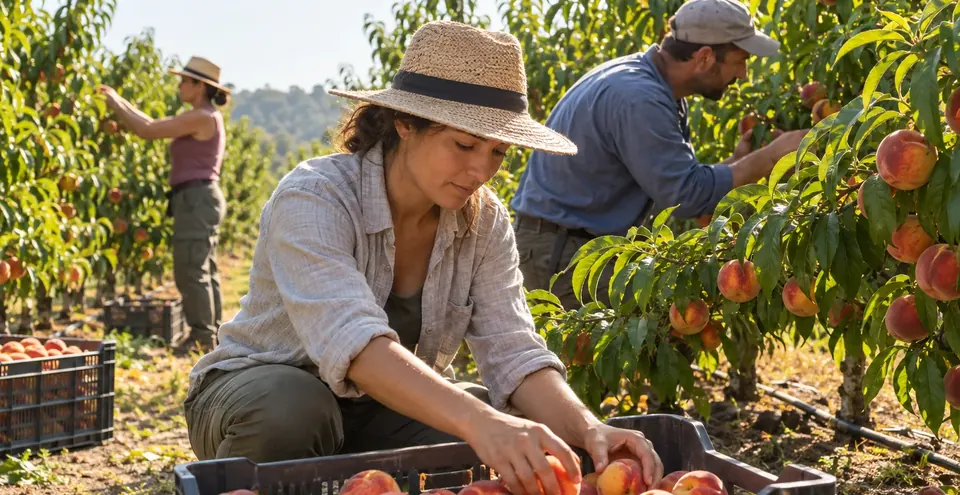
Vanuatu has seasonal fruit and vegetable picking work centred on island gardens, plantations and the wider region. Most ni-Vanuatu live from agriculture, with household gardens of yam, taro, manioc, sweet potato, banana and island cabbage, while fishing and hunting add to the diet. Copra is the oldest form of paid harvest, and cocoa and kava bring cash income. Housing, protection and the legal frame matter for visitors. Many islanders join picking programmes in New Zealand and Australia. Housing, protection and the legal frame deserve attention, and many islanders join picking programmes in New Zealand and Australia instead.
Vanuatu seasonal fruit and vegetable picking: crops and islands
Agriculture is the livelihood of most ni-Vanuatu. Families grow yam, taro, manioc, sweet potato, banana and island cabbage in gardens, and fish, hunt and gather forest foods. Cash crops include coconut for copra, cocoa on Santo and Malekula, coffee on Tanna, vanilla and peanuts in smaller amounts, and kava, which is both a ceremonial drink and an export. Cattle ranches on Santo and Efate produce beef. Vegetables and fruit for Port Vila's market come from Efate, Tanna and Santo.
Copra work is the most traditional paid harvest. Workers collect fallen coconuts, split them, dry the meat in the sun or in a smoke dryer and sell sacks to buyers when prices make it worthwhile. Cocoa growers pick pods, ferment and dry beans. Kava farmers dig up roots after years of growth, and then wash and dry them. These tasks are organised by families and often tied to cycles of price, weather and ship schedules. Hiring outside labour is limited, and trust and kinship decide who works.
Fruit and vegetables supply local markets. Efate farms near Port Vila grow lettuce, tomatoes, cabbages, cucumbers and capsicums, while the highlands of Tanna and Santo supply other produce. Papaya, pineapple, mango, citrus, banana, watermelon and passionfruit appear in different months. Many sellers are women, who carry produce to the municipal market in Port Vila or sell along roads. The market is a major source of income for families, and its stalls give a good picture of the seasons and the diversity of crops.
Kava deserves its own mention. The root of the kava plant is pounded or ground and mixed with water to make a calming drink served in the evening at the nakamal. Vanuatu is known for noble varieties that are valued for quality, and the plant takes several years to mature before roots are harvested. Farmers on islands such as Pentecost, Malekula, Tanna and Santo supply local bars and export markets. Because the crop needs patience and care, outside labour is mostly hired for digging and washing roots.
Work, pay and rhythm for seasonal farm work in Vanuatu
Picking and harvesting are physically demanding. Workers walk on steep ground, carry heavy bundles, cut with a bush knife and work in heat and humidity. The day often begins at dawn and finishes in early afternoon. Rain can stop work and make tracks slippery. Payment is by day, by task or by quantity, such as per sack of copra or per crate of vegetables. Because cash is scarce in rural areas, payment may be partly in food, goods or labour exchange between households.
The table shows broad harvest patterns. Seasons shift with weather and each island has its own microclimate, so local advice is necessary. Cyclones can destroy crops, and recovery takes months, leading to uncertain income. Farmers sometimes plant fast-growing crops after storms to restore supplies. If you take part in garden work, learn from local people, accept guidance and avoid taking more than your share, because food security is the first concern of most families.
| Crop | Broad picking or harvest period | Main islands |
|---|---|---|
| Copra (coconut) | Throughout the year, weather permitting | Santo, Malekula, Efate, outer islands |
| Cocoa | Main pods in the second half of the year | Santo, Malekula |
| Market vegetables | Dry months and cooler periods | Efate, Tanna, Santo |
| Fruit such as papaya, citrus and banana | Staggered through the year | All main islands |
Cattle ranching on Santo and Efate shapes rural work. Beef is sold in Port Vila and Luganville, and ranches hire stockmen, fencers and drivers. The grasslands are a legacy of plantation history, when French and British settlers cleared land for coconut and cattle. Today many plantations are owned or leased by families, and some work with custom owners. Seasonal tasks include mustering, vaccination and fence repair, which are physically demanding and best suited to workers with experience of animals.
Housing, protection and legal frame
Rural workers usually live in their home villages. Visitors who take part in garden work may stay in a host family's house, share meals and contribute work or goods. Make arrangements through a village chief or a recognised organisation, and never assume that you can camp on someone's land. In larger commercial farms, workers may be offered simple dormitories. Check the water supply, sanitation and security, and ask about medical care, because clinics may be far from the plot.
Health and safety include protection from sun, mosquitoes and snakes, careful use of machetes and awareness of chemicals on commercial farms. Workers should receive gloves and training for pesticide handling. Children should not take part in hazardous farm work, and school attendance is important. Employment law applies to commercial farm labour, with the Department of Labour available for advice. Foreigners must hold a permit, and customary land cannot be used without the agreement of the owners and an appropriate lease.
Markets are the meeting place of farm and town. The municipal market in Port Vila runs day and night, with stalls selling vegetables, fruit, root crops, shells, flowers and cooked food. Women farmers travel by truck or boat from islands to sell, sometimes sleeping at the market. Prices vary with supply, and the weather can raise or lower them in a single week. Work as a market helper, carrying produce, minding a stall or helping with packing, is usually informal and paid daily.
Picking work in New Zealand and Australia
The largest organised harvest employment linked to Vanuatu takes place abroad. Workers pick apples, kiwifruit, grapes, berries and vegetables, and send remittances home. Contracts last for months, and employers provide accommodation and pastoral care according to the rules of the scheme.
Preparation is key. Learn about the tasks, climate and pay system before departure, and obtain warm clothing, work boots and documents. Pre-departure training explains banking, health, safety and cultural differences. Returning workers often use savings to build houses, pay school fees or start small businesses, but long absences can strain families. Anyone interested should apply through the national process and avoid agents who ask for money. Community and church groups abroad often support Pacific workers during their stay.
Climate and disaster risk shape the farming year. Cyclones, droughts and volcanic ash can damage gardens and reduce harvests, and farmers have developed strategies, including planting a range of crops, storing food, and sharing seeds. Extension officers and regional organisations promote resilient crops and better storage. Workers who understand these strategies, and who respect village decisions about planting and harvesting, will adapt more easily to the demands and uncertainties of the farming calendar.
Questions on harvest work in Vanuatu
Can I volunteer on a garden or plantation?
Only with the permission of the custom owners and, for foreigners, with the right immigration status. Any placement should be arranged through a village chief or a recognised organisation.
What is copra and why does it matter?
Copra is dried coconut meat used to make oil. It is a long-standing cash crop in the islands, and many families earn income from it when prices make the work worthwhile.
Where to find these jobs
- Vanuatu Department of Agriculture and Rural Development — Government department that supports farmers with advice, quarantine, extension services and information on crops and livestock.
- Vanuatu Commodities Marketing Board — State body that supports the marketing of copra, cocoa, kava and other farm products from the islands.
- Vanuatu Agricultural Research and Technical Centre — Research and training centre on Santo that develops improved crops, livestock methods and farmer skills.
- Pacific Community — Regional organisation that supports agriculture, plant health and food security in Pacific island countries including Vanuatu.