Monaco: seasonal fruit and vegetable picking jobs do not really exist, but gardens and nearby farms do
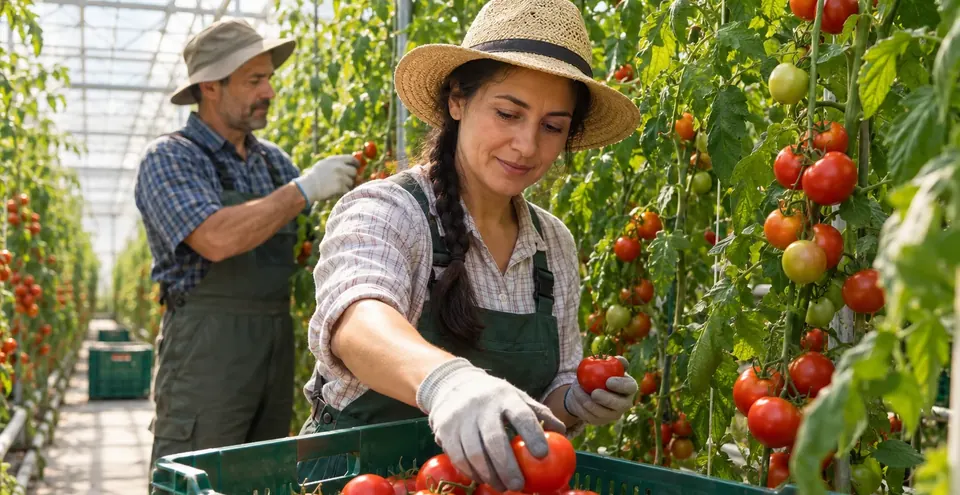
In Monaco, seasonal fruit and vegetable picking jobs are practically non-existent, because the principality is an urban territory of about two square kilometres with almost no farmland. What exists are public gardens, the covered market of La Condamine, a tiny vineyard of the Prince's Palace and horticultural work by municipal teams. Real harvest work is found in the surrounding Riviera, in French and Italian communes where lemons, flowers, olives and vegetables are grown. Anyone interested should check local rules and permits, since employment in each country follows its own law.
This page in other languages : Français
Why the principality has no harvest
Monaco is almost entirely built up, with apartment towers, harbours and terraces stacked on a steep slope above the sea. Its land area is a fraction of a typical farm elsewhere, and the little open space is devoted to gardens, parks and public squares. Food is imported daily from France, Italy and beyond, so the principality has no tradition of large-scale vegetable growing or orchard cultivation.
Some green spaces do carry a certain agricultural character. The Jardin Exotique, built on the cliff, displays succulents and cacti, the Princess Grace Rose Garden in Fontvieille shows thousands of rose bushes, and olive trees line some promenades. The Prince's Palace maintains a small vineyard, known as the Clos Saint Martin, which yields a very limited number of bottles and is looked after by a small team.
Honesty serves jobseekers best. Advertisements that promise fruit picking in Monaco itself should be treated with caution, since there is no real harvest to organise. The principality's temporary work lies in hospitality, events, yachting and retail, while genuine picking jobs must be sought in the farms and flower fields of the French and Italian Riviera, which require their own permits and contracts.
Gardening is part of the image of the principality. The authorities invest heavily in plants, from the palm trees along the avenues to the flower beds of Casino Square, and the horticultural teams change displays several times a year. Temporary work in this area is usually technical and requires training in plant care, irrigation and the use of tools, and it is more likely to go to residents or French commuters with relevant diplomas.
What does exist inside Monaco
The covered market of La Condamine, open every day, sells fruit, vegetables, flowers and cheeses from producers in Provence, Liguria and Piedmont. Stall holders may hire helpers for the summer and for festive weeks to unload crates, display produce and serve customers. Such work is closer to retail than to picking, and it requires French and an approved contract.
Municipal gardeners and landscaping firms maintain the parks, terraces and roundabouts, and teams plant flowers in spring, prune trees and clear fallen leaves in autumn. Seasonal contracts are possible, usually filled by residents or workers with horticultural training. The Jardin Exotique, the Fontvieille park and the gardens of the Casino and the Palace require careful skills in pruning, watering and plant care.
Local gastronomy enjoys the seasons even without fields. Restaurants build menus on Provençal produce, lemons from Menton, courgette flowers, artichokes, tomatoes and figs, and chefs visit markets early to choose ingredients. Kitchen assistants may help with preparation, cleaning and storage of vegetables, which gives a link with the harvest calendar of the surrounding region.
The sea also supplies produce, though not in the form of a harvest. Fishermen from the Riviera sell their catch in the harbour markets of Menton, Nice and Ventimiglia, and restaurants in the principality buy fish early in the morning. Seasonal jobs in the food chain, such as fishmonger assistants, market stall helpers or delivery drivers, are among the closest connections to local produce that a worker can find near Monaco.
Harvests in the nearby Riviera
Just across the border, Menton is famous for its lemons, celebrated every February with the Lemon Festival, and the surrounding hills grow citrus, olives and flowers. Grasse, in the hills behind Cannes, harvests jasmine from August to October and the May rose in spring for the perfume industry. Mimosa blooms around Tanneron in winter, and Nice area farms produce vegetables, herbs and olives for oil.
On the Italian side, the Ligurian Riviera around Ventimiglia, Bordighera and Sanremo is a major centre of flower growing, with greenhouses producing roses, carnations and aromatic herbs, as well as olive groves that supply the famous Taggiasca olives. Harvest periods follow the sun, so winter and spring are active for flowers and citrus, and autumn and early winter for olives.
| Month | Crop or task | Where |
|---|---|---|
| January to February | Mimosa, lemons | Tanneron, Menton |
| March to May | May rose, early vegetables | Grasse area, Alpes-Maritimes |
| August to October | Jasmine, figs, grapes | Grasse, Var, Liguria |
| November to January | Olives | Nice hinterland, Liguria |
If you are curious about agriculture, visit rather than apply. The Jardin Exotique, the olive trees of the Fontvieille gardens and the rose garden offer a pleasant introduction to Mediterranean plants. Markets in Menton, with its lemon traditions, and in Nice at the Cours Saleya show how seasonal produce travels from fields to tables, and conversations with growers can reveal when and where extra hands are needed.
Rules, pay and practical advice
Agricultural employment is regulated in France and Italy and not in Monaco. In France, seasonal farm workers can be hired under a fixed-term contract known as a contrat saisonnier, and European citizens may work without a permit, while others need authorisation. Pay follows the national agricultural collective agreements. Italian farms have similar rules, with seasonal contracts regulated by labour law.
Many workers in the region live in towns such as Menton, Sospel, Vence or Ventimiglia and travel to fields by car or minibus. Public transport to rural areas can be limited, so check the schedule before accepting a post. Some farms provide housing, though it is often basic and shared, and the cost should be stated in the contract.
Health and safety deserve attention. Work in greenhouses involves heat and humidity, field work on terraces involves slopes, and pesticide use is regulated in both countries. Ask for gloves, water and training, and report unsafe conditions to the labour inspectorate. Keep a copy of your contract, payslips and insurance documents, as they are your proof of employment.
A clear plan helps in the neighbouring harvest regions. Choose one crop, find the producers, and contact them several weeks before the season starts. Confirm the pay, the working hours, the housing and the insurance, and arrange transport. Because jobs in Monaco itself are not available, travel costs to the Riviera are part of your budget, and sharing a car or minibus with other workers keeps them reasonable.
Winter crops across the border follow a clear rhythm. After the olive harvest, growers prune trees, and citrus orchards near Menton are tended and harvested between late autumn and spring. Flower farms near Ventimiglia work through the cold months in greenhouses. Workers who wish to stay on the Riviera for several months can therefore combine tasks, moving from olives to lemons to spring flowers on different farms.
Common questions about harvest work near Monaco
Can I pick fruit in Monaco itself?
No, there is no commercial harvest. The principality has gardens, a market and a tiny palace vineyard, but no farms that employ seasonal pickers.
Where is the nearest real harvest work?
In the French Alpes-Maritimes, such as lemons in Menton, jasmine and roses near Grasse and olives in the Nice hinterland, and in Italian Liguria for flowers and olives.
Do I need a permit for farm work next door?
European citizens can generally work in France and Italy with a contract, while other nationals need authorisation. Ask the farm which procedure applies and avoid undeclared work.
Where to find these jobs
- Government of Monaco Labour Department — The state service that explains local employment rules and priority of employment, useful for checking which jobs exist in the principality.
- Marché de la Condamine — The covered market of Monaco where producers and stall holders sell fruit, vegetables and flowers and sometimes engage seasonal helpers.
- Jardin Exotique de Monaco — The cliff-side botanical garden maintained by specialised teams that look after succulent plants and welcome visitors throughout the year.
- Chambre d'agriculture des Alpes-Maritimes — The farmers' chamber of the neighbouring French department, which supports growers of flowers, citrus and olives and can explain local harvest work.
Official and legal references
- Government of Monaco official portal — The official portal in English with information on labour rules, public gardens, markets and administrative procedures in the principality.
- Visit Monaco official tourism website — The official tourism site in English that describes the gardens, the market and seasonal events in the principality.