Trinidad and Tobago: seasonal holiday entertainer jobs in resorts, tours, camps and festivals
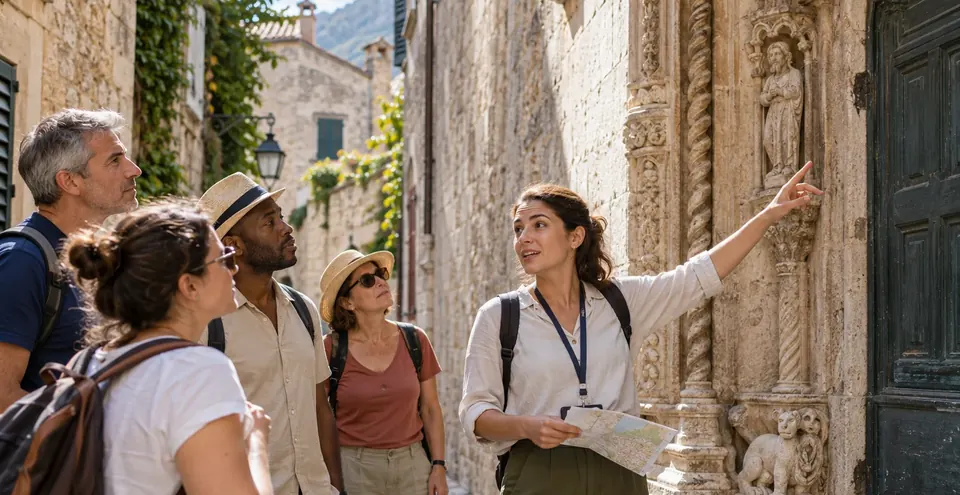
Trinidad and Tobago has a rich performance culture, so seasonal holiday entertainer jobs are usually live and local instead of resembling club-style resort programmes. Steelpan players, singers, DJs, dancers and masquerade performers work in hotels, at festivals and on tour boats, while activity guides lead birdwatching in the Arima Valley and boat trips through the Caroni wetlands. Skills, qualifications and language matter, as do child safety rules. Hiring follows the performance calendar, pay is modest, and foreigners need permits. Pay can vary greatly from one booking to another, so agreements should be clear.
Trinidad and Tobago seasonal entertainer jobs: what entertainers and hosts do
Trinidad and Tobago has a deep culture of performance, so entertainment is often live and local rather than organised as in club-style resorts. Steelpan players, calypsonians, soca singers, DJs, limbo and fire dancers, storytellers and masqueraders are all hired by hotels, restaurants and event companies. In Tobago, beach barbecues, cultural evenings and heritage festivals use musicians and dancers, and Trinidad offers parang during the Christmas season. Hosts and animators also run quizzes, games and sports for families at larger resorts.
Activity guides form another group. Tours include birdwatching in the Arima Valley, boat trips through the Caroni Swamp to see scarlet ibis at dusk, hikes to waterfalls such as Argyle in Tobago, glass-bottom boat rides to Buccoo Reef, kayaking, diving, fishing and visits to cocoa estates. During certain months, turtle watching on beaches such as Grande Riviere, Matura and Tobago's Turtle Beach draws visitors, guided by trained local groups. Guides explain wildlife, history and customs, and a skilled storyteller adds value to every outing.
Steelpan culture deserves special mention. The instrument was invented in Trinidad, and steelbands rehearse in panyards across the country before Panorama, the national competition held before Carnival. Young players learn from older musicians, and some hotels hire small steel orchestras for dinners. A visitor who attends a panyard rehearsal, with permission, will understand how entertainment is built from community and discipline. Musicians who combine technical skill with stage presence are in constant demand, but their income can be uneven outside the festival season.
Skills, qualifications and language
Technical skills and certificates matter. Guides need first aid, and boat and water roles require lifejacket knowledge, lifesaving training and, where relevant, licences from the relevant authority. Dive staff need recognised instructor or divemaster qualifications. Musicians and dancers should show a repertoire, reliability and professional conduct, and sound equipment skills help. Camp leaders benefit from training in child care, sport coaching or arts, and a clear police record is commonly requested for work with minors.
English is the working language, spoken with a distinctive local accent and rhythm. Visitors may include Spanish, French, German and Dutch speakers, so additional languages are valuable. Performers are expected to understand audiences and adapt to mixed groups of families, couples and business travellers. Good humour, energy and respect for local sensitivities, including religious diversity, are important. Avoid jokes that stereotype communities. The best entertainers share local culture generously while keeping a professional standard and caring for guests' safety.
Storytelling and folklore are alive in the islands. Figures such as Papa Bois, La Diablesse and Soucouyant belong to oral tradition, and guides and performers use them to captivate children and adults. Heritage festivals in Tobago present traditional dance, such as the bélé, along with drumming, and tell the history of the islands, including the legacy of slavery and indenture. Entertainers who study this material, and who treat it with respect, offer richer experiences and earn the trust of communities.
Hiring, pay and the performance calendar
Engagements follow the festival cycle. Carnival season starts after Christmas and peaks in February or March, the Tobago Jazz Experience in April brings stage work, and the long school holidays in July and August lead to camps and family events. Hotels in Tobago hire entertainers for weekends in the dry season. The table gives a sense of the main work types, but personal networks decide who is called. Many performers belong to bands or companies and get gigs through managers or word of mouth.
| Role | Where | What employers look for |
|---|---|---|
| Steelpan or soca performer | Hotels, Carnival venues, festivals | Repertoire, reliability, stage presence |
| Nature guide | Arima Valley, Caroni Swamp, Tobago reserves | Wildlife knowledge, first aid, English |
| Kids' camp leader | Resorts, schools, community camps | Child safety training, patience, creativity |
| Water sports host | Tobago beaches, Chaguaramas | Lifesaving, boat skills, instructor certificate |
Pay varies widely. Established artists negotiate fees per performance, hotels may pay a night rate, and camp or guide work is paid by day or by season, sometimes with meals. Informal gigs may not include contracts, so agree on fees, travel, sound equipment and payment dates before performing. Musicians registered with a collecting society can receive royalties. Always keep a written record of agreements, and avoid performing for promises of exposure alone, which seldom lead to fair pay.
Water and nature activities require careful risk management. Buccoo Reef and Nylon Pool trips depend on tides and wind, and guides must brief guests about sun, coral protection and the use of life jackets. Hiking in the Main Ridge Forest Reserve or the Northern Range requires a guide who knows trails, rainfall and wildlife such as snakes and insects. Leaders should carry water, a first aid kit and a phone, check weather forecasts and cancel outings when safety is in doubt.
Family programmes are a growing field. During July and August, hotels, community centres and churches run camps with sports, arts, cooking and environmental education for children. Leaders plan daily timetables, supervise small groups, and keep parents informed. Strong communication, creativity and a calm voice are crucial, as is the ability to deal with heat and rain. Seasonal staff usually work from early morning to mid-afternoon, and payment may be a weekly stipend with a lunch included.
Safety, children and permits
Child protection is a serious duty for anyone working with minors. Responsible organisations conduct background checks, require two adults in activities and follow clear rules on supervision, photography and contact. Staff should never be alone with a child and must report any concern at once. In the water, lifeguards and life jackets are essential, because currents and sudden waves can occur. Entertainers who work late should arrange safe transport, and employers should provide secure changing rooms and storage for instruments.
Immigration rules in Trinidad and Tobago are clear. Foreign performers who are paid for engagements need appropriate permission, which may be arranged by the venue or promoter, and visitors cannot work on tourist entry. CARICOM nationals who are artists, musicians or media workers may have specific provisions under free-movement rules, and they should check the conditions carefully. Anyone offered a contract that promises easy permits for payment should refuse. Employers who respect rules usually have a registered business address, written agreements and references from past artists.
Seasonal entertainers should think about long-term income. Many musicians and dancers teach lessons, record music, or work in unrelated jobs when festivals end. Registering for a collecting society, keeping a portfolio of videos and recommendations, and building relationships with promoters, schools and hotels create resilience. Training in business basics, such as budgeting, invoicing and tax, supports independence. Employers appreciate performers who arrive early, keep promises and communicate clearly when plans change.
Questions about entertainer jobs
Are there all-inclusive animation teams in Trinidad and Tobago?
A few larger resorts, mainly in Tobago, have activity teams, but most entertainment comes from local bands, guides and event companies hired for particular nights or seasons.
Can I perform here as a visitor?
Paid performances require suitable immigration permission. Visiting artists should ask the venue or promoter to arrange the permit and should not accept cash-in-hand work without it.
How do I get started as a guide or camp leader?
Take first aid and lifesaving training, volunteer with a local group, and approach tour operators and camps before the season. A good reference from a local organisation helps a lot.
Where to find these jobs
- National Carnival Commission — State body that coordinates Carnival and supports bands, steelpan, calypso and performers who work throughout the festival season.
- Tobago Tourism Agency Limited — Agency of the Tobago House of Assembly that promotes festivals and activities and supports tour operators on the island.
- Tourism Trinidad Limited — State tourism company that promotes nature tours, cultural events and accommodation and works with local operators.
- Trinidad and Tobago Hospitality and Tourism Institute — Training institution offering courses in tourism, guiding and hospitality that prepare staff for resort and tour work.
Official and legal references
- Tourism Trinidad Limited — Official tourism website with English information on events, nature attractions and activities across Trinidad and Tobago.
- Tobago Tourism Agency Limited — Official Tobago tourism website with information on beaches, festivals, tours and activities on the smaller island.