Nauru: seasonal holiday resort activity leader jobs where no resort industry exists
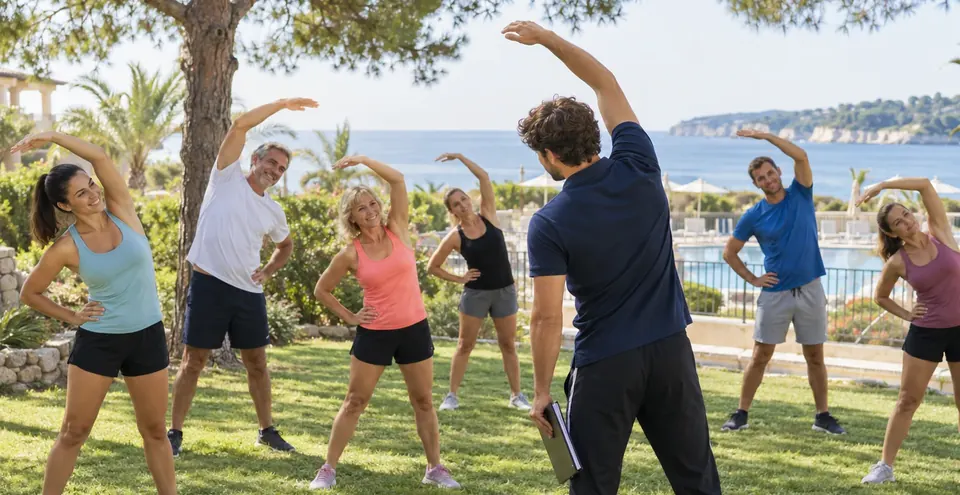
In Nauru, seasonal holiday resort activity leader jobs do not exist as an industry, because the island has no holiday resorts, clubs or cruise terminals. Leisure work is small and local: guiding the few visitors to Command Ridge, Anibare Bay and Buada Lagoon, running school holiday sport and church youth programmes, and helping at community festivals. Such tasks are mostly voluntary or part of a public-sector job. A foreign applicant cannot work legally without sponsorship, so realistic planning means looking for related project or teaching posts instead.
Why leisure work is limited
Tourism in Nauru is tiny. The island has no beach resorts, no all-inclusive hotels and no regular cruise calls, and flights are few. Most visitors travel for official business, family visits or specialist interests such as war history and birdwatching. Because guest numbers are low and irregular, no company offers year-round activity programmes with entertainment teams, mini-clubs or evening shows of the type found in major holiday destinations.
The island's natural and historical sites are nonetheless interesting. Anibare Bay has a long curve of coast, Buada Lagoon is a freshwater pool surrounded by greenery, and Moqua Well is a small underground lake reached through a cave. Command Ridge, the highest point, holds the remains of a Japanese wartime radio station and guns, and rusting relics are scattered along the coast and on Topside, recalling the occupation of the island.
A visitor may be taken around informally by a hotel driver, a government host or a relative of a resident rather than by a trained guide. Fees are modest and often unwritten. The few people who earn money from such tours do so occasionally and alongside other work, which is why jobseekers should not expect an advertised post with salary, uniform and training.
Community programmes and what leaders actually do
Where leadership of activities does exist, it takes place in schools, churches, sports clubs and youth groups. During school holidays, teachers and volunteers organise games, swimming, art, music and sport for children, often in cooperation with churches and community organisations. Nauru is famous in the region for weightlifting and also plays Australian rules football, so coaching and refereeing are respected roles within the community.
National events, such as Independence Day, Angam Day and regional sports tournaments, call for organisers, stewards, announcers, dancers and helpers. Dance and song groups perform at ceremonies, and elders pass on stories and traditions to younger people. A leader in this context is often a volunteer with strong local knowledge, and payment, if any, comes as a stipend, a meal or a modest allowance rather than a salary.
Diving and snorkelling add a niche. The surrounding reef drops steeply into deep water, and the clear conditions attract the occasional diver, but equipment, boats and trained instructors are limited, and safety support is far away. Anyone planning to lead water activities must hold recognised qualifications, check the condition of equipment and carry emergency communication. Without such preparation, organised water outings are not advisable and may not be permitted by the host.
Visitors with relevant skills might contribute through projects. A qualified sports coach, music teacher or swimming instructor can sometimes be hosted by a school or a regional programme to run workshops for a limited period. These arrangements are usually organised by ministries, churches or aid agencies months ahead, and they require clearance, background checks and a formal invitation.
| Activity | Where it happens | Who usually leads it |
|---|---|---|
| School holiday games and sport | Schools, sports grounds | Teachers and volunteers |
| Weightlifting and football coaching | Clubs and national facilities | Experienced local coaches |
| Cultural performances and festivals | District halls, event grounds | Elders and community groups |
| Historical tours of Command Ridge | Topside and coastal sites | Informal local guides |
| Fishing and reef outings | Coast and boat harbour | Local fishers and families |
Qualifications, languages and child protection
If a role does exist, employers look for practical skills. First-aid training, swimming and lifesaving qualifications, coaching certificates, teaching experience and a clean police record are highly valued. English is widely understood, while Nauruan is the language of daily life, so knowing a few phrases helps. Cultural respect, humility and patience are more important than polished performance skills in a community where everyone knows each other.
Working with children requires strict care. Leaders must know where each child is, keep parents informed, avoid private contact without a second adult, and follow school and church rules. Water activities are especially sensitive because of strong currents, sharp reef and the lack of lifeguard posts on most beaches. Anyone organising swimming should insist on a supervisor and a safe, agreed location.
Weather and health also shape daily planning. Midday sun is intense, so outdoor sessions take place early or late, with shade, drinking water and frequent rests built in. Mosquitoes can be a nuisance after rain, and basic first-aid supplies are not always available at community venues. Leaders should bring their own kit, know the route to the hospital and agree on a plan for emergencies with the host organisation.
For a foreigner, a work permit sponsored by an employer is compulsory before any paid activity. Volunteering also requires the right immigration status and the host's approval. Sponsors normally ask for qualifications, references and sometimes medical checks. Applicants should be wary of offers that promise holiday-camp posts in Nauru for a fee, because no such organised camps are known to recruit overseas.
Alternatives and how to prepare
People attracted by activity work may find better prospects in related posts. Teaching and physical education roles in schools, coaching in sports federations, community health programmes and youth projects run by aid partners sometimes recruit international staff on fixed terms. Hotels might occasionally need a host for visiting groups. These jobs are advertised through government notices, regional organisations and development agencies instead of tourism boards.
Networking works best through established channels. Reaching out to a school principal, a church leader or a sports federation, with a short letter and a copy of qualifications, is more effective than sending dozens of mass emails. Replies can take time because staff are few and communications are slow, so a polite reminder after a few weeks is acceptable. Show flexibility about dates and expect that plans may change at short notice.
Preparation should include health, equipment and expectations. Bring sun protection, a first-aid kit, water bottles, snorkelling gear if you plan to lead reef outings and any teaching materials. Facilities are basic and shops stock a limited range, so improvisation is essential. Accept that evenings are quiet, with few entertainment venues, and that communication with home may be slow and expensive.
Finally, respect culture and land. Sacred places, family land and wartime remains should be visited only with permission and a guide who knows the history. Photographs of people require consent. A leader who listens, adapts to local customs and builds trust with families and elders will be more successful and better accepted than one who tries to import a foreign holiday-club style.
Questions about activity work in Nauru
Are there holiday clubs or kids' camps?
No commercial holiday clubs operate on the island. Children's activities are organised by schools, churches and community groups during breaks, mostly using volunteers. International volunteers or specialists can sometimes be hosted through formal programmes, but these are planned in advance and not advertised as seasonal jobs.
Can someone work as a guide?
Informal guiding happens, especially for historians, divers and officials who want to see wartime sites and the lagoon. It is usually done by hotel staff, drivers or relatives. A foreigner cannot take paid guiding work without a permit, and there is no large guiding industry to hire people.
What would improve my chances?
Skills in teaching, coaching, health or technical trades, together with a recognised qualification and a sponsoring organisation, give the best chance. Contact the relevant ministry or a regional body early, be patient with replies and have your documents certified and ready for a long process.
Where to find these jobs
- Government of Nauru — National government that organises schools, youth and sport programmes and handles immigration approvals for anyone wanting to work.
- Nauru Weightlifting Federation — National sports body promoting weightlifting, coaching and youth training in a sport for which the island is well known.
- Menen Hotel — Well-known hotel in Meneng that hosts delegations and visitors and sometimes arranges transport and local excursions for guests.
- Pacific Community — Regional organisation supporting youth, sport, education and cultural programmes across Pacific island states including Nauru.
Official and legal references
- Government of Nauru — Official government website listing ministries, education and sport information, public notices and immigration contacts for visitors and workers.
- Pacific Community — Regional intergovernmental organisation publishing English-language information on youth, culture, sport and development in Pacific island countries.