Nauru: seasonal fruit and vegetable picking jobs in a land with almost no commercial farming
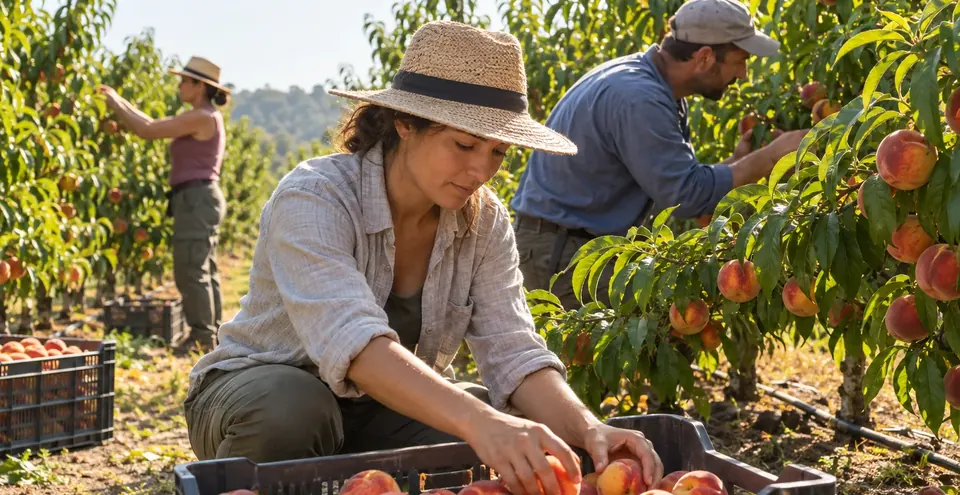
In Nauru, seasonal fruit and vegetable picking jobs are practically absent as a formal sector, because mining stripped the interior and the narrow coastal belt offers little fertile soil. The island imports most of its food, and what is grown comes from household plots, coconut palms and gardens near Buada Lagoon. Harvesting is a family activity rather than paid labour, with no export orchards or packing houses. Anyone hoping for a picking contract should know the reality before travelling, and look instead at related work in gardens, fisheries or projects.
What can actually grow on a mined island
Nauru is a raised coral island whose central plateau, called Topside, was extensively mined for phosphate over many decades. Removing the phosphate rock left a landscape of sharp limestone pinnacles with thin pockets of soil, much of which is unsuitable for field crops. Only the coastal fringe and the area around Buada Lagoon retain deeper soil and a freshwater supply, so almost all cultivation is concentrated there.
The tropical climate is warm throughout the year, with a wetter period in the months around the turn of the year and recurring dry spells that can last a long time. Rainwater is stored in tanks, and groundwater is limited and often brackish, so irrigation for large-scale farming is not feasible. Heavy salt spray and strong sun add further stress for plants, which explains why traditional crops are tough species such as coconut and pandanus.
Because of these limits, families rely mostly on fish, rice, tinned goods and imported fruits and vegetables delivered by ship and plane. When deliveries are delayed, local produce becomes more valued. Residents sometimes sell excess bananas, papaya, pumpkin, tomatoes or leafy greens from small gardens at the roadside or to neighbours, but this is household income, not seasonal employment with contracts.
History explains much of the present situation. Before large-scale mining, people lived mainly from fishing, coconut and pandanus, and from the produce of the coastal belt and the lagoon. Colonial-era administration and the phosphate boom brought imported food and wage employment, and farming skills faded as families relied on the store. Some elders still remember traditional methods, and community groups occasionally revive them for school and cultural events.
Crops and gardening that do exist
Coconut palms are the most important tree crop. Nuts are gathered for drinking water, cooking and traditional products, and palm leaves and trunks serve for building and weaving. Pandanus fruit and leaves are used in food, mats and handicrafts. Breadfruit, banana, papaya, mango and pawpaw trees grow around houses and the Buada depression, where villagers also tend vegetable beds, taro-like crops and small livestock.
Government and regional programmes have encouraged home gardens, raised beds with imported soil and the use of compost, to improve nutrition and reduce reliance on imports. The Pacific Community and other development partners have supported pilot projects, training and seeds in several island states, and similar ideas have been tried in Nauru. These efforts create short training sessions or project jobs rather than seasonal harvest teams.
Harvesting itself is simple but tiring in the humid heat. Fruit is picked by hand or with a pole, coconuts are climbed or knocked down, and vegetables are cut early in the morning before the sun is strong. Produce is carried in baskets to the house or a nearby shop. Community members share the work, and children often help, which is part of local tradition rather than labour market activity.
| Product | Where it is found | How it is used |
|---|---|---|
| Coconut | Coastal strip, around villages | Drinking nuts, cooking, copra-style uses, leaf weaving |
| Pandanus | Coastal and inland patches | Fruit, mats, crafts |
| Banana and papaya | Buada Lagoon area, house gardens | Eaten fresh, shared among families |
| Breadfruit | Around homes and Buada | Cooked as a staple when in fruit |
| Vegetable beds | Raised plots, Buada gardens | Greens, tomatoes and pumpkin for household use |
Paid work that resembles harvesting
Some paid tasks do exist, although on a small scale. Households may pay a neighbour to clear a garden, pick coconuts or trim palms. Government agencies hire labourers for landscaping, beach cleaning and planting during environmental projects, including those linked to land rehabilitation by the Nauru Rehabilitation Corporation. These jobs are short and local, and normally filled through personal contacts.
Fishing offers a more significant seasonal rhythm. Tuna fishing licences bring foreign vessels, and local fishers sell reef fish and pelagic catch at the roadside or to shops. The Nauru Fisheries and Marine Resources Authority employs staff and observers, and port services need workers when boats call. For people wanting outdoor work near the sea, fisheries support is more realistic than field harvesting.
A few households experiment with shade houses or hydroponic systems supported by donors. If these initiatives expand, they could create small numbers of jobs for planting, watering and harvesting under cover. At present, however, no employer offers anything like the large harvest crews seen in agricultural countries, and anyone claiming otherwise should be asked for proof and a written contract.
Rules, safety and cautions for outsiders
A foreigner cannot take paid work in Nauru on a tourist visa. Any employment, including informal garden or harvest tasks, requires an appropriate work authorisation linked to an employer, issued by the immigration authorities. Because there is no organised picking industry, there is also no seasonal worker scheme for outsiders. Offers that promise guaranteed picking jobs in Nauru should be treated as suspicious.
Safety rules are basic but important. Heat, humidity and sun exposure call for hats, light clothing and plenty of water, and sharp pinnacle rock can cut hands and feet, so sturdy shoes are essential in Topside areas. Falling coconuts are a real hazard, and climbing palms without experience is dangerous. Workers should ask about first aid and the route to the hospital before starting any task.
Food prices connect directly to this topic. Because fresh fruit and vegetables are imported, they can be expensive and are sometimes out of stock when a shipment is late. Visitors working on the island should budget for higher grocery costs, bring any special dietary items, and ask the employer whether meals or a food allowance are provided, since there is little chance of growing food in a short stay.
Respect for land matters. Land in Nauru is owned by families and clans, and picking fruit from a tree without permission can cause serious offence even if the tree appears untended. Ask the owner, pay or share if requested, and follow local advice about where to walk and what to touch, especially near the lagoon, sacred sites and former mining areas that may be unstable.
Questions about picking work in Nauru
Is there any harvest season?
Not in a commercial sense. Fruit trees bear at different times, and garden vegetables follow the rains, but there is no regular campaign with hired crews. Seasonal variation is therefore a household matter, and people mostly share what they have rather than selling to markets or exporters.
Where could someone learn gardening skills?
Regional and government programmes occasionally run training in home gardens, composting and tree care, with support from development partners. Asking at government offices or through the Pacific Community can reveal current projects. Such skills are more useful for project work or community gardening than for harvest contracts.
What should a worker do instead?
Consider roles in fisheries support, environment and rehabilitation projects, construction, hospitality or transport, where short contracts do appear. Secure an offer and a permit before travelling, check housing and food costs, and plan your return trip, because the island has limited flights and few alternatives if a plan falls through.
Where to find these jobs
- Nauru Rehabilitation Corporation — State body restoring mined phosphate land, with planting and site work that creates occasional short jobs for local workers.
- Nauru Fisheries and Marine Resources Authority — Authority managing fishing licences and marine resources, offering fisheries-related work as an alternative to farming.
- Pacific Community — Regional organisation supporting agriculture, food security and fisheries programmes, including garden and nutrition projects in Pacific island states.
- Government of Nauru — National government managing land, immigration and public notices relevant to anyone seeking work or garden projects on the island.
Official and legal references
- Pacific Community — Regional intergovernmental body publishing English-language material on agriculture, fisheries and food security across Pacific island countries including Nauru.
- Government of Nauru — Official government website with ministries, public notices, immigration information and contact points for those seeking work.