Nauru: seasonal hotel and restaurant employment opportunities in a very small hospitality sector
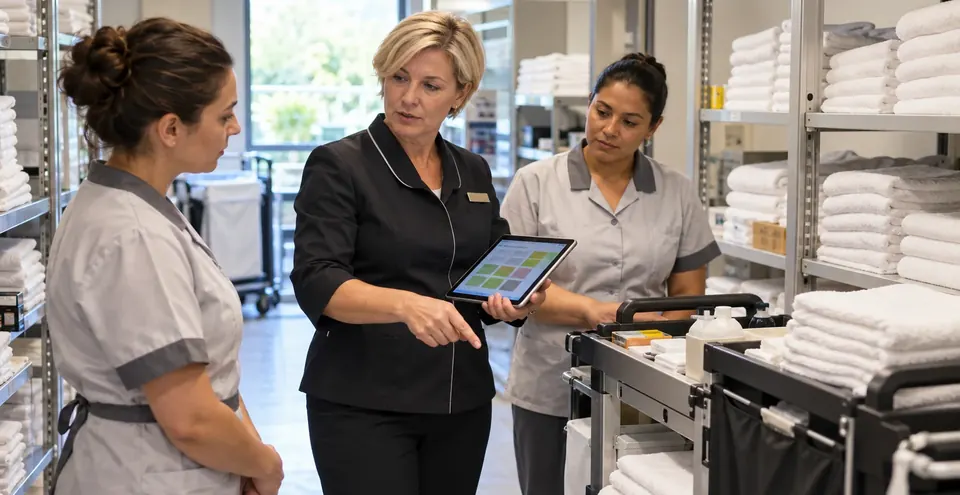
Nauru has a very small hospitality sector built for business travellers, so seasonal hotel and restaurant jobs are scarce and tied to official visits, projects and family events. Guests are mostly officials, consultants, aid staff, contractors and relatives, with a handful of divers or history enthusiasts, so occupancy swings with meetings rather than with holidays. Roles include service, cooking, cleaning and front desk work in small establishments. Working conditions, pay and housing depend on the employer, and permits must be arranged before arrival.
Hotel and restaurant jobs in Nauru: a hospitality sector built for business travellers
Visitors to Nauru are mostly officials, consultants, aid staff, contractors, relatives and a handful of divers or history enthusiasts. Their stays are linked to meetings, construction projects or family events rather than to a holiday calendar, so occupancy swings from empty to full within days. The best-known accommodation includes the Menen Hotel in the Meneng district and the Od-N-Aiwo Hotel in Aiwo, alongside smaller guesthouses and lodges around the coast.
Dining is modest and practical. Hotels serve breakfast, lunch and dinner for guests and for local customers, and a few independent restaurants and takeaway counters offer Chinese, Pacific and Western dishes. Fresh fish, coconut, rice and imported meat and vegetables dominate menus, since the island grows little food and relies on shipments. Menus change when a supply ship is delayed, which shapes the kitchen work as much as the guest list does.
Because there is no tourism season, employers do not run annual recruitment drives. Instead, they respond to events: a Pacific meeting, a sports tournament, the arrival of a work crew or a government function. When such events approach, owners ask relatives and neighbours to help, then keep reliable people on call. This informal system rewards punctuality and good relations in the community.
Roles and daily tasks for seasonal hotel and restaurant jobs in Nauru
Housekeepers clean rooms, wash linen and keep common areas tidy, often in the heat and humidity that characterise the equatorial climate. Kitchen assistants prepare ingredients, clean fish, wash dishes and keep cold storage organised, which is vital where electricity or deliveries can be interrupted. Cooks plan menus around what is available, and they must adapt quickly when supplies change.
Waiters and waitresses greet guests, serve food and handle payments, usually in a relaxed, personal style where regulars are known by name. Reception staff manage bookings, collect room payments, arrange airport pickups and answer questions about the island. Small hotels expect staff to do more than one job: a person who cleans in the morning may serve dinner in the evening and help with laundry or maintenance in between.
Skills that stand out include food hygiene, simple bookkeeping, basic repairs, driving and friendly service. English is used in hotels and with visitors, and Nauruan is the everyday language among staff and families. Knowing some Nauruan greetings and showing respect for local customs, including modest dress and sensitivity around church days, builds trust with colleagues and guests alike.
Training is mostly on the job. A new kitchen assistant learns how the owner stores fish, handles rice and rations water, and a new housekeeper learns how to manage laundry when electricity is unreliable. Short courses in food safety or customer service, when offered through regional or government programmes, are a good addition to an application, though employers care most about attitude, reliability and respect for guests and colleagues.
| Role | Typical duties | When demand rises |
|---|---|---|
| Housekeeper | Rooms, laundry, public areas | During delegations and project visits |
| Kitchen assistant | Preparation, cleaning, dishwashing | When large groups are catered for |
| Cook | Menus, fish and rice dishes, event catering | Before official functions and meetings |
| Waiter or waitress | Table service, payments | Weekends and events |
| Receptionist | Bookings, airport transfers, guest questions | Around flight days |
Working conditions, pay and housing
Wages are agreed with the employer and should be written into the contract along with hours, days off and any meal allowance. Because the amount depends on the business, applicants should ask directly and compare the offer with the cost of living on an island where most goods are imported. The Australian dollar is the currency, and cash is frequently used for small payments, so keep your own record of days worked.
Health and safety deserve attention. Kitchens operate in tropical heat, so food needs careful storage, handwashing and clean surfaces to avoid illness, and housekeepers should use gloves and proper cleaning products. The island has a hospital, but complex treatment may require travel abroad, so workers should ask whether the employer provides health cover or help with medical costs before they start work.
Accommodation may be provided in a staff room or a shared house, particularly for non-residents. Ask about bedding, cooking facilities, water supply, laundry and rules on visitors. Power and water supply can be intermittent, and mosquitoes are common, so a net and light clothing are practical. If housing costs are deducted from pay, check how much and what is included.
Working hours often run in the morning and evening, around meal services, with breaks in the hottest part of the day. Tips are not part of local custom in the way they are elsewhere, so wages should not be assumed to include extra income from guests. Staff are protected by the general employment rules of the country, and disputes can be raised with the employer, the relevant ministry or the courts.
Permits, hiring and avoiding problems
Non-citizens must hold a work visa or permit tied to a named employer, issued by the immigration authorities in Nauru. A tourist visa does not allow work, including work in exchange for food and bed. Employers who hire foreigners normally have to demonstrate that the job cannot be filled locally, so applicants without a rare skill should not expect sponsorship for entry-level posts.
Recruitment happens through direct contact. Visit or phone a hotel manager, send a short application with references, and explain your availability. Government notices advertise some hospitality-related project work, particularly when ministries host regional meetings. Social contacts matter, and being recommended by a trusted person is often more effective than a formal letter.
Timing helps. Regional meetings and visiting teams are usually announced some weeks ahead, and hotels begin to organise extra staff as soon as bookings are confirmed. Asking the manager when the next large group is expected, and offering to start on short notice, is more productive than applying at random. Keep the conversation polite, bring your documents and accept that the answer may be to call back later.
Be cautious with offers from abroad promising easy hotel jobs on a Pacific island. Genuine employers do not charge placement fees, and a written contract with the hotel's full details should always be provided. If in doubt, contact the Nauru government's offices or your own embassy, and never hand over passports or money to an intermediary you have not verified.
Questions about hospitality work in Nauru
How many hotels are there?
The country has only a few hotels and a small number of guesthouses and lodges, mainly around Meneng, Aiwo and Anibare. This limited capacity is why jobs are few, and why each employer typically needs only a handful of staff, even during busy periods.
Can foreigners work in a hotel kitchen?
Only with the correct authorisation. A hotel would need to sponsor the worker and satisfy immigration rules, and priority goes to residents. Cooks with unusual skills or those linked to a contract through an aid project have a better chance than casual applicants.
Is the work seasonal?
It follows events, not weather. Rooms fill when delegations, contractors or sports teams visit, and quiet periods follow. Employers often keep a short list of trusted people to call, so being reliable in one busy week can lead to later offers.
Where to find these jobs
- Menen Hotel — One of the island's best-known hotels, with rooms, restaurant and event facilities used by delegations, contractors and visitors.
- Od-N-Aiwo Hotel — Hotel in the Aiwo district offering accommodation, dining and a conference setting for officials and business visitors.
- Nauru Airlines — National carrier linking the island to Brisbane and other Pacific destinations, bringing the visitors that fill hotels and restaurants.
Official and legal references
- Pacific Community — Regional organisation publishing English-language information on development, labour and services across Pacific island states including Nauru.