Palau: seasonal hotel and restaurant employment opportunities in Koror resorts and dining rooms
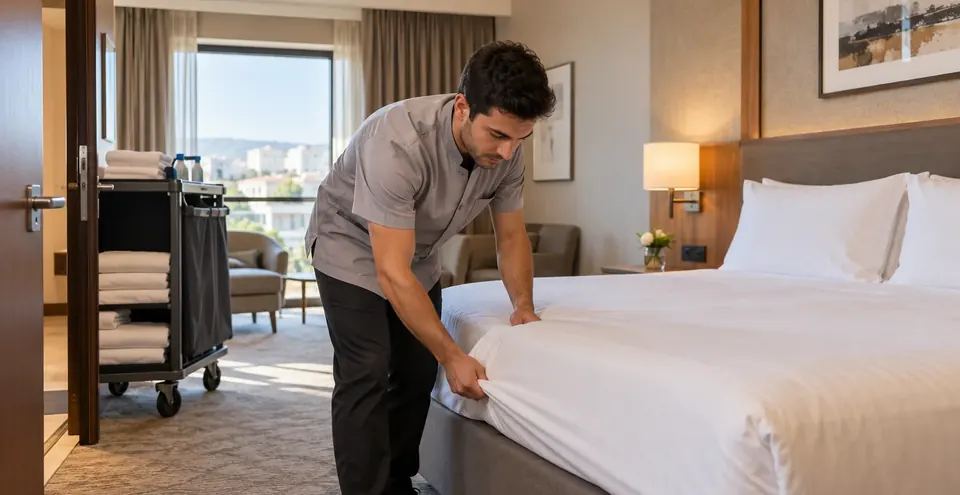
In Palau, seasonal hotel and restaurant employment opportunities follow the tourist calendar of a small island nation and cluster in Koror, around Malakal harbour and at a few lodges on Babeldaob and Peleliu. Resorts hire waiters, cooks, housekeepers, front desk agents and bartenders when dive and holiday visitors arrive in numbers. Many guests come from East Asia, so languages matter as much as experience. Employers expect a clean record, a valid permit for foreign staff and the ability to work long shifts in a humid climate.
Where the hospitality jobs are located
Koror holds the largest share of hotels, guesthouses and restaurants, from large resorts near the water to small family-run inns and cafes along the main road. Malakal, at the edge of the harbour, is the base for dive operators and their attached kitchens and lodgings. Airai, close to the international airport, has several smaller properties used by travellers in transit and by business visitors.
Beyond the Koror and Airai area, hospitality is lighter but real. Lodges on Peleliu and Angaur serve guests who come for the wartime history and the quiet beaches, and a few guesthouses operate in the northern part of Babeldaob. These places hire very few people, usually relatives or neighbours, and the work depends on a small number of reservations each week.
Restaurants in Koror serve local seafood, Japanese dishes, Korean barbecue and international menus for hotel guests. Many are open all year but add waiters and kitchen helpers when tour groups arrive. A café or a bar attached to a dive shop may recruit people for the busiest months only, then reduce the team once the boats run less frequently.
The wider tourism picture explains why staffing changes quickly. When a charter flight is added or a tour group cancels, hotels adjust the rosters within days. A worker who accepts flexible hours, who is willing to take a split shift and who can change roles at short notice will be called more often than someone who sets strict conditions.
Roles, skills and languages
The main roles are waiter, cook, kitchen assistant, dishwasher, housekeeper, laundry attendant, front desk agent, bartender, driver and maintenance worker. Larger resorts also employ a supervisor for each department and a guest relations officer. Experience in a similar establishment is valuable, but willingness to learn is accepted for entry posts such as dishwashing and room cleaning.
| Role | Main task | Skill employers value |
|---|---|---|
| Waiter | Serve breakfast, lunch and dinner | English, some Japanese or Mandarin, calm manner |
| Cook | Prepare seafood and set menus | Hygiene training, speed, knowledge of Asian dishes |
| Housekeeper | Clean rooms and change linen | Reliability, attention to detail |
| Front desk agent | Check guests in, answer enquiries | Clear English, computer skills, patience |
Languages that open doors
English is an official language alongside Palauan and is the common working language in hotels. Japanese is useful because Japan has long been an important source of visitors, and Mandarin and Korean are increasingly helpful at the front desk. Candidates who combine English with one Asian language usually stand out when managers choose between similar applications.
Basic safety and hygiene knowledge counts for a lot. A food handler card, first aid training or a course taken at Palau Community College shows that a worker takes the job seriously. Staff are also expected to explain the Palau Pledge and the rules that protect reefs, since many guests ask about them at the table or the desk.
Small details help a candidate. A tidy appearance, punctuality and a friendly greeting are noticed immediately by managers in a community where everyone knows each other. References from earlier employers or from a teacher at Palau Community College carry real weight, because hiring in a small island society often depends on personal recommendation.
Seasons, hiring periods and working conditions
The busiest months run from December to April, and again around the long holiday weeks of late April, mid-August and the year-end period. Managers plan their rosters in the weeks before these peaks, so applications are best sent in the quieter months from September to November. During the wetter weeks, hotels may reduce hours, grant leave or run maintenance and training.
Shifts can be long, particularly at breakfast and dinner, and the climate is warm and humid. Uniforms are normally supplied, and meals during the shift are sometimes included. The contract should say how overtime is paid, how many days off are given each week, and whether the worker may be asked to cover other departments during a busy period.
Tips are not a major source of income in Palau and practice varies between establishments, since many service charges are included in the bill. Treat any promise of high tips with caution, and judge an offer by the written wage, the hours and the conditions rather than by a story about generous guests.
Training on the job is common. A new housekeeper may learn the cleaning standards from a senior colleague in a day or two, and a kitchen assistant may start with preparation tasks before moving to the line. If you hope to progress, ask the supervisor which skills are needed to move up and whether the resort supports short courses.
Housing, permits and legal basics
Accommodation is one of the main practical issues on a small island. Some resorts provide staff rooms in shared houses, while others pay a wage and leave workers to rent a room in Koror or Airai. Ask who pays for rent, water and electricity, how far the room is from the workplace, and whether a company vehicle takes staff to the hotel.
Foreign nationals need a work permit connected to the employer before starting, and the employer normally initiates the request with the government labour office. A person on a visitor stay must not work. The contract, the permit and the passport should all show the same job and the same employer, and any change of employer needs a new authorisation.
Palau has a legal minimum wage and rules on hours and safe conditions, and the labour office takes complaints from workers. Keep a record of the days worked and the pay received, and speak to the office quickly if wages are late. The official government portal gives the up-to-date figures and notices, which change from time to time.
Health and hygiene rules apply to anyone who handles food. Employers may ask for a health check and expect strict handwashing and clean uniforms. Because tropical heat spoils food quickly, kitchens take cold storage and labelling seriously, and workers who learn the routines early are trusted with more responsibility.
Frequently asked questions
Do I need to speak Japanese to work in a Palau hotel?
Not always. English is the main working language, and many entry posts need only good English and a positive attitude. Japanese, Mandarin or Korean is a real advantage at the front desk and in dining rooms where guests prefer their own language, so mention any such skill in your application.
When should I apply for a restaurant or hotel post?
Apply a few weeks before the dry season, ideally between September and November, because managers prepare their rosters ahead of the December to April peak. A short written application with a copy of any certificate and your available dates is better than a visit during a busy lunch service.
Is staff housing provided in Koror?
Sometimes. Bigger resorts and dive operators may offer shared rooms, but small restaurants and guesthouses often do not. Ask before accepting a contract, and get the answer in writing, including who pays for utilities and what happens to the room if the contract ends early.
Where to find these jobs
- Palau Visitors Authority — Tourism authority that promotes Palau to visitors and tracks the arrivals that drive hotel and restaurant staffing.
- Palau Community College — National college in Koror that teaches hospitality, food service and vocational skills to local students.
- Palau Chamber of Commerce — Private sector association representing hotels, restaurants and service companies across Koror.
- Division of Labor, Republic of Palau — Government labour office that processes work permits and deals with worker complaints in all sectors.
Official and legal references
- Government of the Republic of Palau — Official government portal with ministries, notices, labour and immigration information.
- Palau Community College — Institutional site of the national college with vocational programmes useful for hospitality careers.