Palau: seasonal holiday resort activity leader jobs for dive, kayak and island tour guides
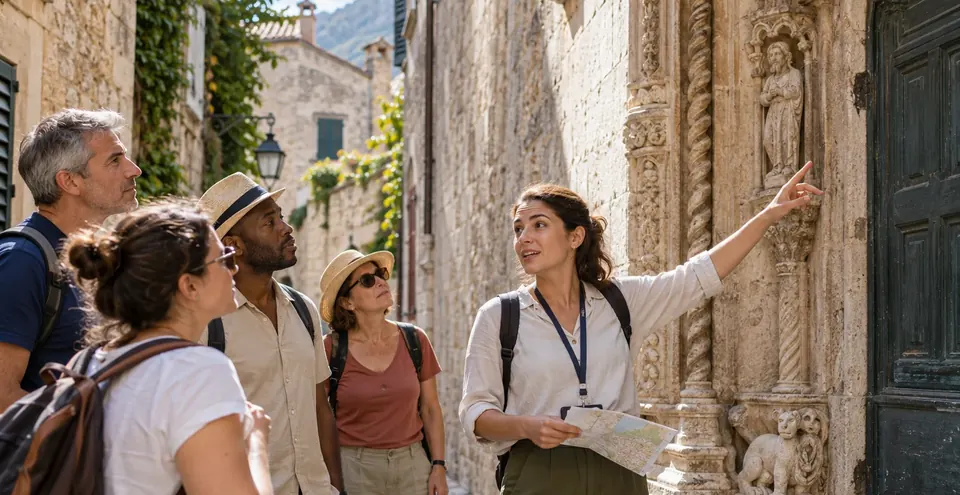
In Palau, seasonal holiday resort activity leader jobs mean guiding and entertaining visitors who come for the sea, the reefs and the island culture. Activity leaders lead snorkel and kayak outings, assist on dive boats, run beach games, guide visits to Peleliu or Jellyfish Lake, and explain the Palau Pledge. Resorts in Koror and tour operators at Malakal hire them for the dry season and holiday weeks. Safety training, strong swimming and clear English are essential, and a foreign worker needs a permit linked to the employer.
What an activity leader does in Palau
The role combines guiding, teaching and hosting. In Palau, most activities involve the water, so a leader may brief guests on a snorkel trip, accompany a kayak group through the Rock Islands, or help families with simple sea activities at a resort beach. On land, leaders may lead walks in the forests of Babeldaob or visits to cultural sites.
Evening duties can include cultural shows, local food tastings and storytelling about Palauan traditions, which rely on the knowledge of residents. Visitors are curious about the traditional bai meeting houses, the story-boards, the customs around the first child, and the role of village chiefs. A leader who respects these traditions and presents them honestly earns trust.
Behaviour toward the environment is part of the job. Visitors sign the Palau Pledge in their passport, and leaders are expected to model it: no touching of corals, no feeding of fish, no litter. Operators in the Rock Islands Southern Lagoon work with state rangers and permits, and a guide who knows the rules protects both guests and the reefs.
Storytelling is more than entertainment. Palauan legends explain the origin of islands, marine lakes and reefs, and visitors appreciate guides who tell them with respect. Leaders who are not from Palau should learn the stories from local colleagues, avoid making up details and let community members speak for themselves when a sensitive subject arises.
Settings, activities and the working year
Koror resorts and the Malakal harbour are the main bases. From there boats go to the Rock Islands, famous for limestone mushroom-shaped islets, marine lakes and sheltered beaches. Peleliu, in the south, attracts history visitors who see Second World War sites, and Kayangel and other outer areas offer quieter community experiences organised with local leaders.
| Activity | Where | Main skills |
|---|---|---|
| Snorkel and boat outings | Rock Islands Southern Lagoon | Strong swimming, first aid, safety briefings |
| Kayak and paddleboard trips | Sheltered lagoons near Koror | Paddling skills, navigation, group control |
| Historical and cultural tours | Peleliu, Koror, Babeldaob | Local knowledge, storytelling, English |
| Resort beach and family activities | Hotels in Koror and Malakal | Energy, games, child safety, patience |
The work is busiest from December to April, with extra waves during holiday weeks from Asia. In the rainier months, operators run fewer trips, and leaders may be reassigned to maintenance, equipment preparation and training. Contracts are often short, and the best-prepared candidates are available at short notice and can cover several activities instead of only one.
Group management is a daily skill. A leader counts guests, checks equipment, reads the weather and decides when to turn back. On boats, guests may feel seasick or anxious, and a calm voice and clear instructions prevent problems. Employers often watch how a trainee handles a nervous guest before offering a longer contract.
Rainy days require a plan. When boats cannot leave, leaders may run indoor activities such as craft sessions, weaving demonstrations, cooking tastings or short talks on marine life. Guests remember a well-run wet-weather programme, and employers prefer staff who propose alternatives instead of waiting for the sun to return.
Qualifications, languages and safety of guests
Water safety comes first. Most employers ask for a strong swimming level, a recognised first aid and CPR certificate, and, for boat work, local licensing. Dive guiding requires an internationally recognised dive qualification at the proper level, plus experience in the conditions of the Rock Islands, where currents can be strong at some sites.
Languages and communication
English is the working language in most resorts, and Japanese is often valuable because of the long history of visitors from Japan. Mandarin and Korean help with the growing number of guests from those markets. A guide who can give short safety briefings in two languages, with clear gestures, is more useful than one who gives long speeches in one.
Many guests are families, so employers expect awareness of child safety. Leaders count children before and after every activity, use life jackets properly and never leave a group unattended near the water. A police clearance or character reference may be requested, and references from previous employers or schools help a newcomer who is new to the islands.
Sun, salt and long days affect the body. Leaders drink plenty of water, wear protective clothing and reapply sun protection, since sunburn is a frequent problem. Many operators rotate staff between boat, beach and office tasks to avoid fatigue, and a leader who looks after personal health is better able to look after guests.
Training never really stops. Resorts often hold short briefings before the high season on emergency procedures, guest complaints and the rules of the Rock Islands, and returning staff mentor the new ones. Attending these sessions seriously shows commitment, and it is a good way to meet colleagues from other departments and learn how the whole operation runs.
Pay, permits and housing
Pay is set by the employer and varies by role, experience and the number of qualifications. Resorts may pay a monthly wage, while small operators pay by the day or by trip, sometimes with tips from guests. Because rates are not published in a single list, ask for the written amount, the working hours and the method of payment before accepting an offer.
Foreign nationals need a work permit tied to a named employer, and the employer starts the application with the labour authorities. Working on a visitor stay is not allowed. Keep the contract, the permit and the passport together, and confirm with the labour office whether the position and the length of the contract match what the permit allows.
Housing may be provided in a shared house, but this is not guaranteed. The harbour at Malakal is a popular location because of the short trip to the boats, and rooms there can be in demand. Check what is included, such as water, electricity and transport, and keep a copy of any housing agreement signed with the employer.
Equipment care is part of the job. Masks, fins, life jackets, kayaks and paddles must be rinsed, dried and inspected after each trip, and damaged items are reported at once. Employers notice who keeps the gear in good order, and this reliability often decides who is rehired for the next season.
Agreements with small operators are often verbal, so ask to receive the main terms in writing, even in a short message. Note the daily start time, the meeting point, the rate for a half day and a full day, and what happens when a trip is cancelled because of weather.
Frequently asked questions
What qualifications do I need to lead activities?
At minimum, a strong swimming level and a current first aid and CPR certificate. Boat roles need local licensing, and dive guiding needs the right diving credential. Employers also value experience with children, groups and visitors from different countries, as well as a calm manner when plans change because of weather.
Are there children's clubs in Palau?
Some resorts organise simple activities for families, but Palau does not have the large club-style hotel circuits found in some tourist regions. Most programmes are built around the sea, nature and culture, so leaders are generalists who can guide, teach and entertain.
How do I apply to an operator or resort?
Send a short written application with your certificates, languages and available dates to resorts in Koror and to tour operators at Malakal. Follow up politely, and be ready to show your documents and demonstrate your water safety skills in a practical test.
Where to find these jobs
- Palau Visitors Authority — Tourism authority that promotes Palau, supports tour operators and shares guidance on responsible visitor behaviour.
- Koror State Rock Island Management — State office that issues permits and sets the rules for visitors and operators in the Rock Islands Southern Lagoon.
- Palau Community College — National college offering training courses that help guides and hospitality staff gain recognised skills.
- Palau Chamber of Commerce — Business association that represents tour operators, resorts and service companies across the islands.
Official and legal references
- Government of the Republic of Palau — Official government portal with ministries, notices and contacts for labour and tourism matters.
- Palau Community College — Institutional site of the national college, with programmes for tourism and vocational training.