Venezuela: seasonal holiday resort activity leader jobs on Margarita, Los Roques and Andean adventure trails
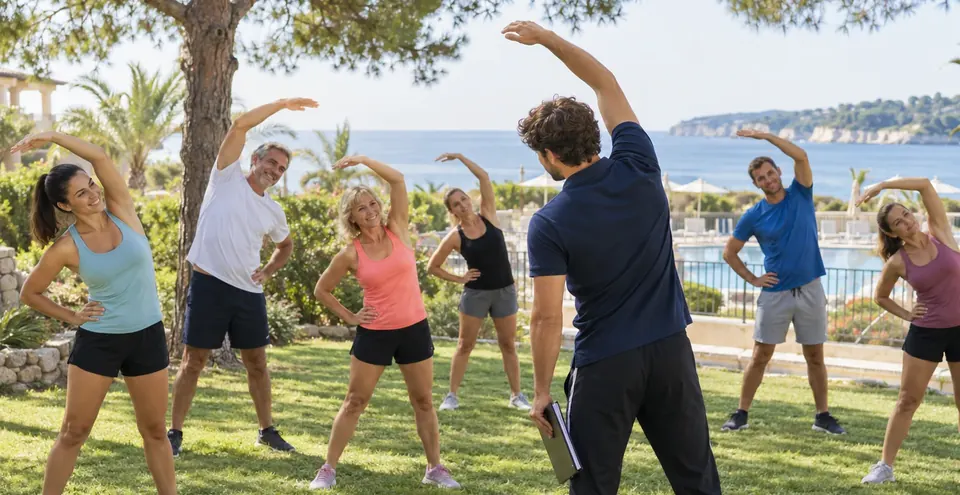
Around Venezuela's islands, beaches and mountains, seasonal holiday resort activity leader jobs exist in beach hotels and posadas, kitesurf and snorkelling schools, children's holiday plans, wildlife lodges and adventure agencies. They cluster around the February festival, Easter week, the summer holidays and Christmas, and they are smaller in number than before the economic crisis. Employers look for people who bring sports or education skills, first aid, local knowledge and good judgment, and they must respect national rules for guides and for the protection of minors.
This page in other languages : Español
Where activity leaders work
Margarita Island has the most structured resorts. Large beach hotels near Playa El Agua, Pampatar and Porlamar have pools, children's areas and entertainment teams for holiday weeks, and smaller posadas organise snorkelling, boat tours and evening events. Seasonal staff include monitors for children, aqua fitness instructors, dance teachers, music performers and beach game organisers.
Los Roques, Morrocoy and Mochima are centred on the sea. The Los Roques archipelago is known for kitesurfing, diving, sailing and fishing, and posadas on Gran Roque work with instructors and boat captains who take guests to sand banks and reefs. Morrocoy National Park offers kayaks and boat trips to the keys, and Mochima National Park has snorkelling and diving excursions from Puerto La Cruz and Santa Fe.
Inland, Mérida is the capital of Andean adventure. Agencies organise treks, paragliding, canyoning, rafting, horseback rides and cable car visits, and the Llanos lodges in Apure and Barinas offer wildlife safaris. In the south, Canaima and Roraima treks use Pemón guides and local camps, and activity leaders in these regions must follow community rules, national park permits and safety standards. In practice, the best entry route is a personal introduction from someone already working in the same area, because tourism families trust people they know and share the work among relatives.
Roles, skills and certificates
| Activity | Typical places | Skills and papers |
|---|---|---|
| Resort entertainer | Margarita beach hotels | Dance, games, Spanish and English |
| Kitesurf or snorkel instructor | Los Roques, Morrocoy, Mochima | Instructor certificate, rescue training |
| Adventure guide | Mérida, Barinas | Guide registration, first aid, mountain skills |
| Local nature guide | Canaima, Gran Sabana, Llanos | Local knowledge, permits, languages |
| Children's holiday monitor | Schools, clubs, hotels | Teaching or sports studies, patience |
The qualities that employers value start with energy and humour. A resort entertainer must be able to motivate a group of strangers, perform simple routines, speak clearly and handle awkward moments. Dance, music, theatre and sports backgrounds are helpful, and a short audition or trial week is common. Fluent Spanish is a must, while English gives a clear edge, and Portuguese, Italian or German help in some resorts.
Technical roles require certificates. Water sports instructors need recognised courses and rescue skills, adventure guides need mountain, rope or river training, and boat operators must have licences. Tourism companies are expected to be registered, and guides are expected to follow the national tourism rules and to work with the national parks institute in protected areas.
First aid is the common denominator. Courses offered by the Red Cross and other emergency organisations teach resuscitation, treatment of wounds, burns, fractures and heat illness, and they are valuable in remote places where medical help is far away. A guide who also knows how to read weather, tides, maps and river levels is a safer and more employable professional. A short season in a modest posada, learning how to deal with guests, complaints and emergencies, is often more useful than a long course with no practice.
Protecting children and visitors
- Keep a register of every child, with parent contacts and allergies.
- Never take a child out of the group without written permission.
- Use life jackets on boats and check weather before every outing.
- Report accidents or concerns to the manager and, if needed, to the authorities.
The national law on the protection of children and adolescents recognises the rights of minors, and institutions and councils at municipal level supervise the system. Holiday plans, hotel clubs and camps are expected to protect children from abuse, exploitation and danger. Leaders should keep professional boundaries, avoid private contact outside the programme and obtain parents' permission for photographs.
Sea and mountain safety deserve special attention. Currents on exposed beaches, sudden storms in the rainy season, high altitude in the Andes and long distances to hospitals all increase risk. Reputable operators have emergency plans, radios or satellite phones, first aid kits and insurance, and they limit group sizes and cancel trips when the forecast is poor.
Economic difficulties can affect safety standards, with shortages of spare parts, fuel and medicines in some areas. Candidates should ask direct questions about boat maintenance, insurance, the number of staff per group and the plan for emergencies. A company that answers clearly and shows documents is more reliable than one that gives vague promises.
Season, pay and how to apply
The main periods are Carnival, Holy Week, July and August, and the span between mid-December and Epiphany. Margarita and the coast also fill during long weekends. Resorts and agencies recruit shortly ahead of every peak, and many favour people who have already worked with them or who come with strong recommendations from other operators. Plans change when storms, strikes or fuel shortages disrupt travel, so it is wise to confirm dates a few days before leaving home and to keep a flexible budget for lodging and meals.
Pay varies widely and often combines a base amount, tips and, in some posadas, meals and a bed. Many tourism businesses price their services in dollars and pay at least part of the wages in dollars, but the system is informal in many small companies. Ask for the currency, the payment date and the days off, and put the main points in writing when possible.
To apply, contact hotels, posadas and agencies directly, bring references and certificates and be ready to demonstrate a game, a dance or a safety talk. Foreign applicants require a visa or residence status that permits employment, and such cases are few. Treat with caution any offer that asks for money in advance, and consult the embassy and current travel advice before planning a trip to the country.
Those who live in Venezuela can improve their prospects through free or low-cost courses in first aid, tourism and languages offered by training institutes and charities, and a certificate often carries more weight than a long list of general skills.
Frequently asked questions
Are there entertainment teams in Venezuelan resorts?
Some large beach hotels, especially on Margarita, run activity programmes in busy weeks, but the sector is smaller than it once was. Many posadas rely on their owners and a few helpers who combine guiding, cooking and organising games. Jobs may be seasonal and informal, so references and local contacts matter. In Venezuela, the same person might lead a morning kayak trip, serve lunch and run a quiz at night, and employers appreciate workers who can adapt without complaint.
Do I need a guide licence to lead excursions?
Professional guiding generally requires registration and compliance with the national tourism rules, and protected areas may have additional requirements, particularly for the national parks. Community guides in places such as Canaima and the Gran Sabana operate under local arrangements. Ask the employer which papers are necessary and keep copies.
Is it safe to work as an activity leader in Venezuela?
Safety depends on the region and the employer. Several foreign ministries publish cautionary travel advice for the country, and conditions can change quickly. Choose employers who offer clear safety procedures, check official travel advice, register with your embassy if you are a foreigner and avoid remote travel without reliable local support.
Where to find these jobs
- Ministry of Tourism — Government body that keeps the national tourism register and sets rules for guides and tour operators.
- Inparques — National parks institute that manages protected areas such as Morrocoy, Mochima and Canaima and regulates activities inside them.
- Venezuelan Red Cross — Humanitarian organisation that provides first aid and rescue training to guides, lifeguards and camp staff.
- INCES — National training institute that offers vocational courses related to tourism, recreation and hospitality skills.
Official and legal references
- UN Tourism — United Nations specialised agency that publishes guidance on sustainable tourism and employment in the sector.
- International Labour Organization — UN agency that publishes guidance on decent work in tourism and on the protection of young workers.