Saint Kitts and Nevis: fruit and vegetable picking jobs on small farms, estates and backyard plots
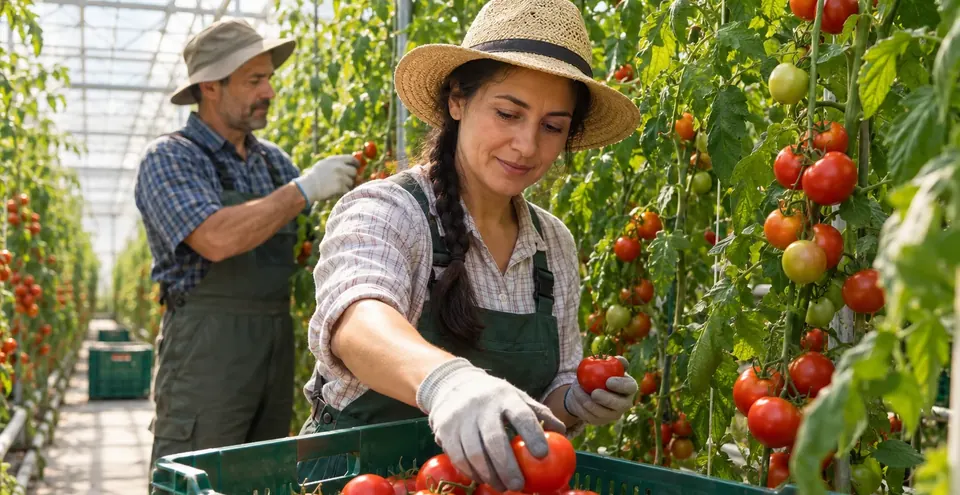
Saint Kitts and Nevis has farms on small islands, so fruit and vegetable picking jobs are modest and shaped by the country's agricultural history. For centuries sugar cane covered the flatlands of Saint Kitts, and the old mills and the railway line still mark the landscape. After the closure of the sugar industry, land use diversified, and farmers now grow tomatoes, cucumbers, sweet peppers and cabbage. Work is arranged informally, wildlife, health and safety need attention, and rules decide who can work.
Fruit and vegetable picking in Saint Kitts and Nevis: what farming looks like today
Fruit trees are widespread. Mango, banana, papaya, soursop, guava, coconut, breadfruit, avocado and citrus grow in gardens and on hillsides, and many families harvest them for home use and local sale. The rainy months from July to November bring the mango season, celebrated in Nevis at the annual Mango Festival, while citrus and other fruits follow their own cycles.
| Crop | Typical period | Work involved |
|---|---|---|
| Mango | Mid-year, around June to August | Picking with poles, sorting, sale at markets |
| Vegetables such as tomato and cucumber | Dry months, December to May | Planting, staking, picking, washing, packing |
| Root crops such as sweet potato and yam | Spread across the year | Digging, cleaning, sacking |
| Coconut and breadfruit | All year | Climbing or pole picking, hauling, selling |
Backyard gardens deserve a mention. Many households in Saint Kitts and Nevis grow herbs, peppers, pigeon peas, plantain and fruit trees beside the house, and they sell small surpluses to neighbours or at roadside stalls. This quiet farming supports food security and gives young people their first experience of agricultural work, often unpaid and informal.
How the work is arranged
Most farmers work small plots, often less than a hectare, and many have another job. They hire help when planting, weeding or harvesting, and neighbours exchange labour. Because the farms are small, work is intermittent, with a few days of intense activity followed by quiet periods. It is rare to find a full season of daily picking.
Pay and conditions
Pay is agreed with the farmer, usually by the day or by the task. There is no standard rate per crate or per kilogram, and prices vary with the crop. Ask for the payment in advance of starting, confirm hours and breaks, and keep a simple record of days worked in case a dispute arises later.
Farming is physical. Slopes are steep on Mount Liamuiga and Nevis Peak, and workers carry baskets or sacks on uneven ground. Sun and heat are strong, and sudden showers come in the wetter months. Wear a hat, long sleeves and boots, drink water often and rest in the shade during the hottest hours.
Livestock is part of the picture. Goats, sheep, pigs and cattle graze on the hillsides, and Nevis is known for its roaming animals. Farm workers may be asked to feed animals, repair fences and move herds, tasks that are not picking but are common on mixed farms. Ask clearly what the daily duties are before accepting work.
Wildlife, health and safety for fruit and vegetable picking in Saint Kitts and Nevis
Monkeys are a well-known challenge. Green vervet monkeys, which arrived on the islands centuries ago, raid gardens and fruit trees, and farmers use fences, noise and watching to protect their crops. Workers may be asked to guard fields during ripening, and this can be a regular seasonal task in the months when mango, banana or corn are ripe.
Pesticides and fertilisers are used by some growers. Ask which products are applied, whether gloves and masks are provided, and when fields were last treated. Wash hands thoroughly before eating, and avoid eating fruit from treated plots without rinsing. Training in safe handling is offered by the Ministry of Agriculture and by supplier companies.
Mosquito-borne diseases such as dengue occur in the Caribbean, so use repellent, wear long sleeves in the evenings and remove standing water around the work site. Keep tetanus protection up to date, clean cuts promptly and know the way to the nearest clinic or hospital, which are in Basseterre and Charlestown.
Weather affects every season. Dry spells reduce yields and require watering, while heavy rain and storms can destroy vegetable beds and fruit crops in a few hours. Farmers prepare by planting resistant crops, building raised beds and keeping seed stocks, and workers help with repairs after bad weather, usually for a short period at agreed rates.
Tools are simple but should be respected. Machetes, forks, hoes and wheelbarrows are used every day, and accidents happen when blades are dull or the ground is wet. Ask for training and gloves, keep blades sharp and store them safely at the end of the day, away from children and animals.
Rules, support and who can work
Citizens may work in agriculture subject to the usual labour rules. Employers must pay agreed wages, respect safety standards and refrain from using child labour for hazardous tasks. Farm workers can contact the Department of Labour about disputes, and farmers can seek advice from the Ministry of Agriculture on crops, pests and markets.
A non-national needs a work permit linked to an employer, and permits for picking are unlikely to be granted because local labour is available. Visitors who want to learn about farming can ask about volunteer or training arrangements, but they should confirm with the authorities whether any permit is needed, even for unpaid work.
Farmers also benefit from agricultural shows, farmers' markets and links with hotels. Chefs increasingly buy local vegetables, herbs and fruit, which encourages growers to plant a wider range of crops. People with experience in packing, washing and delivering produce may find occasional work with growers that supply restaurants in Saint Kitts and Nevis.
Markets and hotels buy the produce. The public markets in Basseterre and Charlestown are busiest on Friday and Saturday mornings, and hotels place weekly orders for vegetables, herbs and fruit. A grower who delivers reliable quality will keep contracts, and helpers who sort, wash and pack carefully are valuable throughout the winter high season.
Training for newcomers is usually short. A farmer shows how to pick without damaging the plant, how to sort by size and ripeness, and how to stack crates so that produce is not crushed on the way to market. Pay attention, ask questions and repeat the method exactly, since quality affects the price.
Farmers also expect honesty. Count the crates with the owner, report damaged items instead of hiding them, and return tools clean. Reliable helpers are called again when the next batch ripens, and recommendations spread quickly among growers in a small community.
Frequently asked questions
Saint Kitts and Nevis: is there a fruit-picking season for visitors?
No organised season exists for visitors. Mango, banana and other fruit ripen at different times, and farms are small. Occasional picking jobs are filled mainly by local people, and any paid work by a non-national needs a permit. Ask local farmers or the Ministry of Agriculture about current needs in your area.
When do mangoes ripen?
Mango trees fruit mainly in the middle of the year, and the harvest often peaks in the early summer months. The Mango Festival on Nevis celebrates the season, and growers sell fruit at markets and roadside stands. Nevis hosts a Mango Festival in the summer, and harvest work around it is lively.
Where can I find farming advice?
The Ministry of Agriculture offers extension services and information on crops and pests. Farmers' groups and the agricultural shows are good places to meet growers and learn about local practices and market opportunities. Ask about field days, training workshops and open farm visits in Saint Kitts and Nevis.
Where to find these jobs
- Ministry of Agriculture, Saint Kitts and Nevis — Government ministry that provides extension advice, planting support and marketing help to farmers.
- Nevis Island Administration Department of Agriculture — Island administration office that supports Nevis growers and livestock keepers with advice and services.
- Department of Labour, Saint Kitts and Nevis — Government office that handles work permits, employer duties and worker complaints.
- Saint Kitts and Nevis Chamber of Industry and Commerce — Business association that links growers, hotels and retailers that buy local produce.
Official and legal references
- Government of Saint Kitts and Nevis — Official government portal with ministries, agencies, services and public notices for citizens and visitors.
- Nevis Tourism Authority — Official tourism site for Nevis with information on events such as the mango festival.