Dominican Republic: seasonal fruit and vegetable picking jobs in Azua, Constanza and the Cibao
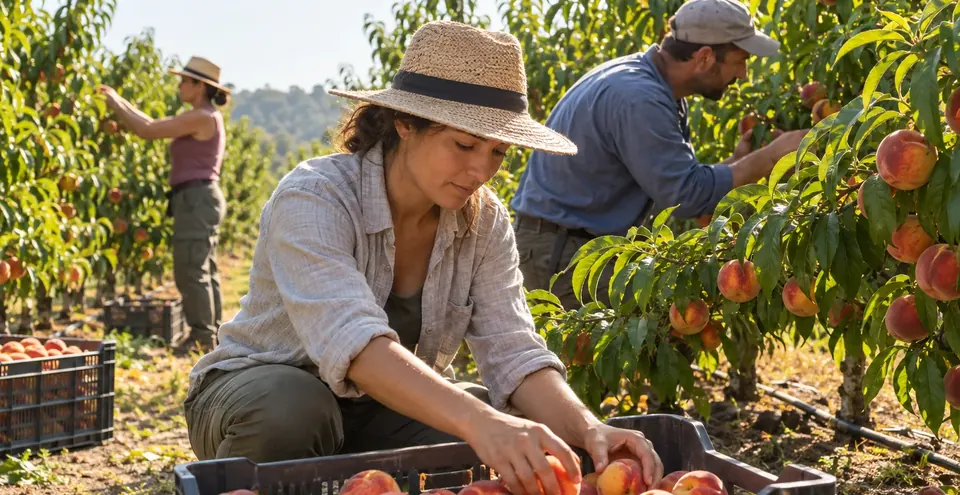
Within the Dominican Republic, seasonal fruit and vegetable picking jobs are found on banana plantations in the northwest, mango and avocado orchards around Baní, tomato and pepper fields in the Azua valley and highland vegetable farms near Constanza. Cocoa, coffee and sugar cane add further harvest work. The tasks are manual, paid by day, task or volume, and carried out in heat or in cool mountain air. Many pickers are Dominican campesinos or Haitian migrants, and a foreign visitor cannot legally join them without a work authorisation.
This page in other languages : Español
Crops, regions and harvest months
The southwest valleys around Azua, Peravia and San José de Ocoa are the home of tomatoes, peppers, onions, beans and mangoes, harvested mostly in the drier months when the plants set fruit without too much rain. Baní is known across the country for its mangoes, and the surrounding orchards need pickers, carriers and packers when the fruit ripens in the early and middle part of the year.
In the northwest, the provinces of Valverde, Montecristi and Santiago Rodríguez produce bananas and plantains, including organic bananas for export, which are cut and washed almost year round. The Cibao valley grows rice, tobacco, peppers and cocoa, and in the northeast the provinces of Duarte, Hermanas Mirabal and Monte Plata supply cocoa beans and pineapple, with cocoa harvested in two main waves during the year.
The central mountains work on different rules. Constanza and the Valle Nuevo plateau grow garlic, potatoes, carrots, lettuce and strawberries in cool air, while Jarabacoa, Ocoa and Barahona have coffee estates where picking runs from late in the year into the early months. Sugar cane around La Romana, San Pedro de Macorís and Barahona follows its own harvest, which starts in the closing months of the year and ends around mid-year.
| Crop | Main zones | Usual harvest window |
|---|---|---|
| Banana, plantain | Valverde, Montecristi, Azua | Cut through most of the year |
| Mango, avocado | Baní, Peravia, San José de Ocoa | Early and middle of the year |
| Tomato, pepper, onion | Azua, San Juan valley | Drier months |
| Cocoa | Duarte, Hermanas Mirabal, Monte Plata | Two waves each year |
| Coffee | Jarabacoa, Ocoa, Barahona | End of the year into early months |
Tasks, pace and pay methods
Fruit picking is physical. Banana cutters carry heavy bunches and walk long rows in humidity, mango pickers climb ladders and use long poles, and cocoa workers open pods with a machete before extracting and fermenting beans. In vegetable fields, harvesters bend for hours to pull garlic, cut lettuce or fill boxes with peppers, then load trucks that take produce to market or to packing houses.
Pay methods reflect local habits. Many farm jobs are paid by the day, but piecework is also common, for example by bunch, box, sack or by the tarea, a traditional unit of land used across the countryside for fieldwork. Wages vary by crop and region, and the legal minimum for farm work should be checked with the Ministry of Labour. A worker should know the rate before starting and keep a note of what he or she delivers.
Seasons also affect income. During the wet period and in hurricane weeks, fields can flood and harvests are delayed, which means unpaid days. Many families therefore combine crops through the year, working in cocoa one month, banana the next and vegetable fields afterwards, or they take local construction jobs when farm work slows down. Cooperatives and producer associations in the Dominican Republic are an important buffer, because they buy crops, offer credit and sometimes organise transport for harvest teams, and members learn about vacancies before they are advertised elsewhere.
Working conditions, housing and rights
Conditions range from well-managed export farms to informal plots. Large banana and vegetable growers have packing sheds, drinking water and registered workers, and they must meet buyers' audits. Small farms may pay in cash without records, offering flexibility but little protection. In all cases, the labour code applies, and a worker may ask for the contract and for registration with social security.
Housing is often arranged by the farm or the community. In sugar cane areas, historic villages called bateyes have been home to cane workers and their families, many of them of Haitian origin, and living conditions in some of them have been criticised for years. Anyone offered housing should ask about water, sanitation and cost, and avoid arrangements that tie the worker to debt.
Health risks include heat stroke, snake and insect bites, machete injuries and pesticide exposure. Employers should give gloves, boots and training, and workers should wash before eating and avoid entering fields after spraying. The Ministry of Agriculture and the labour inspectors have responsibilities in these fields, and complaints can be filed with the labour ministry.
Drinking water, shade and breaks are essential in the afternoon heat, and anyone who feels dizzy or confused should stop immediately and be cooled down. Employers who ignore these basics should be reported, since heat illness can become serious very quickly.
- Ask for the pay rate in writing before the first day.
- Wear a hat, boots and long sleeves in the fields.
- Keep your identity papers and never leave them with a recruiter.
- Report unpaid wages to the labour inspectors.
Finding work and what foreigners should know
Most farm work is found locally. Workers hear about harvests in markets, from farm foremen and from local cooperatives, and small producers post notices in town centres. Export companies often recruit through their own offices. Agricultural associations and the Ministry of Agriculture provide information on production zones and technical programmes for growers.
Foreign nationals need a legal basis to work, and farm employers who hire undocumented people risk penalties. Volunteer stays on organic farms and cocoa projects exist in some regions, but they do not replace paid employment, and visitors should clarify the arrangement in writing, including food, lodging and the duration of the stay.
Preparation helps. Learn basic Spanish expressions used in the fields, pack a rain jacket for sudden showers, protect your skin from the sun and carry some cash for emergencies. Check the weather and the hurricane season forecast before travelling to a coastal valley, and keep the number of a local clinic. Honest recruiters never ask for a fee before work begins. Seasonal workers who return to the same estate each year often gain better tasks, such as supervising a team, driving a tractor or running the packing line, and these roles bring higher and steadier pay than simple picking.
Carry a small first aid kit, repellent against mosquitoes and a bottle for treated water, and tell a colleague where you are working when you go to a remote plot. Cheap items such as a whistle, a headlamp and spare socks also help when a storm or a late truck leaves a worker waiting outside after dark.
Frequently asked questions
Which crops offer the most picking work in the Dominican Republic?
Bananas and plantains give the most regular work because they are cut across most of the year, while sugar cane, mango, cocoa and coffee offer larger but shorter peaks. Vegetables from Azua and Constanza create steady needs for harvesters and packers. The choice depends on the region, the weather and the contract offered by the farm.
Do farms provide accommodation for pickers?
Some do, especially large export estates and remote coffee or cocoa farms, but many workers live in nearby towns and commute. Where lodging is supplied, ask whether it is free, what facilities it includes and whether the bed disappears when the job ends. Written agreements prevent misunderstandings and reduce the risk of exploitation.
Can a tourist pick fruit for extra money?
Not legally. A tourist entry does not authorise paid employment, and informal work leaves a person without coverage if an accident occurs. Visitors interested in farms can look for agro-tourism visits, cocoa tours and guided experiences, which show harvest work without the risks and legal problems of unauthorised employment.
Where to find these jobs
- Ministry of Agriculture — Government ministry that supports farmers, supervises crop programmes and provides technical information for production zones.
- Junta Agroempresarial Dominicana — Association of agribusiness companies that represents producers and promotes agricultural development and exports.
- Ministry of Labour — Government ministry that checks contracts, wages and safety on farms and runs a public job exchange.
- INFOTEP — National vocational training institute that teaches agricultural techniques and technical skills to rural workers.
Official and legal references
- ProDominicana — Government export and investment centre that presents the country's agricultural sectors and products in English.
- Food and Agriculture Organization — UN agency that publishes information on crops, rural employment and food systems around the world.