Dominican Republic: summer and winter seasonal jobs through the dry tourist season and the hurricane months
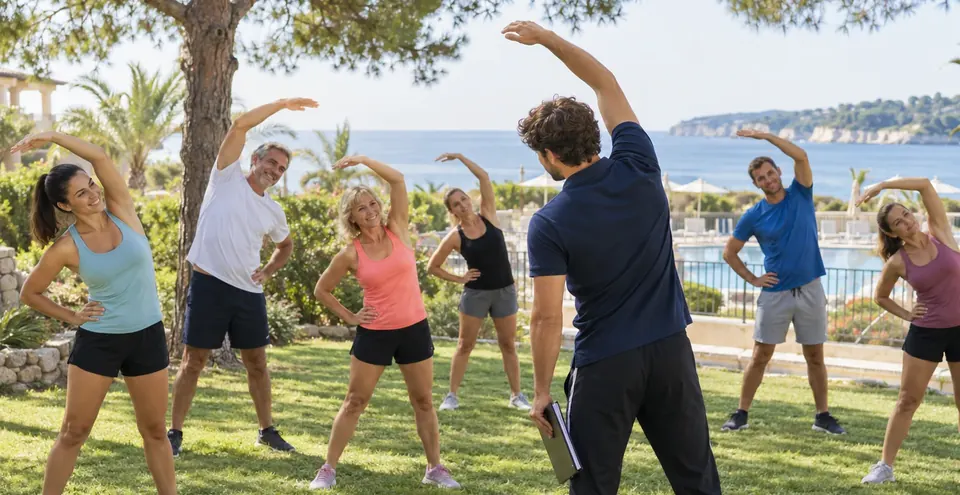
Dominican Republic summer and winter seasonal jobs unfold through the dry tourist season and the hot, wet hurricane months. Resorts on the eastern and northern coasts reach full capacity in winter, and recruitment peaks in autumn. Roles include dive instructors, golf caddies and hospitality staff. Summer is quieter but still brings work in local tourism, farming and events. Planning a year of work around these two phases helps workers stay employed and avoid slow periods without income. Knowing which months bring peak demand and which bring slow weeks helps newcomers plan money and accommodation sensibly.
Summer and winter seasonal jobs in the Dominican Republic: how the two seasons are experienced
| Season | Weather and events | Jobs that grow |
|---|---|---|
| Winter, December to April | Dry and sunny, whale season, Carnival, Holy Week | Resort, golf, cruise and boat staff |
| Early summer, May to June | Heat and first heavy rains, end of school year | Farm work, local hotels, repairs |
| High summer, July to August | School holidays, merengue festival, visitors from abroad | Camps, beach vendors, transport, events |
| Autumn, September to November | Hurricane peak, then recovery | Reconstruction, maintenance, early hiring |
Dominicans speak of winter as the time of coolness, though daytime temperatures stay warm, and of summer as the months of intense heat. Humidity and storms are the real markers. The wet months, with afternoon downpours and tropical storms, reduce beach tourism, while the clear winter weather draws visitors who want to escape the cold of North America and Europe.
The school calendar matters. Classes end around June and resume in the later part of August, so July and early August are the family holiday weeks, with beach trips to Boca Chica, Juan Dolio and Samaná, mountain visits to Jarabacoa and festivals in Santo Domingo. The Festival del Merengue on the Malecón fills the capital's seafront with music and food stalls in the summer months.
Dominicans living abroad, especially in New York, Florida and Spain, return home in the summer and at Christmas, and their visits raise demand for hotels, restaurants, rental cars and transport. Small businesses depend on these visitors, and local workers find temporary jobs in guesthouses, taxis, bars and family restaurants during these weeks.
Christmas is the biggest family season of all, with Nochebuena dinners, markets and decorated streets, so butchers, bakers, delivery drivers and event staff in the Dominican Republic work long hours in December, and many employers recruit extra hands for those few weeks only.
Winter jobs in the dry season
Resorts along the eastern and northern coasts reach full capacity in winter, and recruitment peaks in the autumn. Besides the usual hospitality roles, the season requires dive instructors, golf caddies at courses such as those of Casa de Campo, Punta Cana and Cap Cana, and spa therapists. Cruise terminals at Amber Cove near Puerto Plata and at La Romana add port workers and tour guides when ships are in.
Whale watching in the Bay of Samaná runs from mid-January to the end of March, when humpback whales arrive to breed. Boat captains, crew, naturalist guides, ticket sellers and drivers work for operators in Samaná and Las Terrenas, and the activity is regulated to protect the animals. Guides are expected to explain the rules of approach and to speak English, French or German.
Samaná is also reached by a toll road from Santo Domingo and by small airports, so many seasonal workers come from the capital and the Cibao and rent rooms in Las Terrenas or Samaná town for the season. Prices for rooms rise sharply in February and March, which makes early booking essential.
In the mountains, winter is the favoured time for hiking Pico Duarte, the highest peak in the Caribbean, from Jarabacoa or La Ciénaga. Guides, mule handlers and cooks accompany groups on the multi-day trek, and the national parks authority regulates entry. Carnival in February adds temporary posts for float builders, costume makers, security staff and caterers in La Vega, Santiago and elsewhere.
Summer jobs in the hot and wet months
The summer calendar offers fewer resort jobs, but it brings local employment. Vacation camps, swimming courses and sports programmes need monitors and coaches, beach vendors sell fruit and fried food, and family-run hotels in towns such as Sosúa, Boca Chica and Bayahíbe receive domestic guests. Water parks, rafting on the Yaque del Norte and river excursions in Jarabacoa are also busy.
Kitesurf and windsurf schools in Cabarete benefit from stronger winds in the middle of the year, and instructors with certificates can find short contracts. Fishing, boat transport and lobster or conch sales to restaurants continue, though storms cause breaks. In the farming sector, mango and avocado ripen, and coffee flowers in the mountains before the harvest of the last quarter.
The hurricane season shapes everything. Workers should check storm forecasts, keep documents and cash in a waterproof bag and know the nearest shelter. Businesses may close, and wages can stop if there is no contract that covers the interruption. After a storm, there is work in cleaning, roofing, electrical repairs and construction, but this work is physically risky and should be done with protective equipment.
Authorities usually publish alerts by colour and by province, and listening to them is part of a worker's duty to the team as well as to himself or herself, since a late departure from a coastal job site can cut access by flooded roads.
Planning a year of work
A realistic plan starts with the winter, which is the best time to earn in tourism, then moves to local summer jobs or to farm tasks. Workers who save during the peak months can survive the slow weeks, and those who learn a second trade, such as cooking, mechanics or boat maintenance, find work in both seasons.
Contracts for seasonal workers should name the start date, the end date, the wage, the service charge arrangement and how absence due to storms is handled. Dominican workers have rights to rest, holidays and a Christmas bonus, and foreigners need legal authorisation to work. Keep copies of every document and ask for payslips. Written terms also help when a hotel shortens a shift pattern because of a quiet fortnight, since the worker can show what was agreed and ask for the difference to be paid or for a clear notice period.
Training is available. INFOTEP offers short courses that match seasonal demand, such as bar service, cooking, outboard motor repair and tourist guiding, and these qualifications help applicants stand out. Language practice, especially English, pays off in winter, while first aid and swimming skills are useful in the summer water programmes. Cooks, bakers and electricians trained during the quiet months can work independently when demand returns, and a small tool kit or a set of knives is a modest investment that opens doors to short contracts in both seasons.
Frequently asked questions about summer and winter work in Dominican Republic
When is the high season for work in the Dominican Republic?
The main season is the dry winter from December to April, when resorts, whale watching and cruise visits are at their peak, and hiring starts in the autumn. A smaller summer peak occurs in July and August with school holidays, festivals and returning emigrants, mainly benefiting local hotels, transport and food businesses.
Is hurricane season a bad time to look for work?
It is a slow time for tourism, with lower occupancy and the possibility of closures, but it offers repair and construction work, and employers use the quiet weeks to renovate and plan hires for the winter. Workers should avoid committing to remote locations during storms and should follow the instructions of civil protection services.
Can students work during the summer break?
Local students often work in shops, restaurants, camps and family businesses during July and August. Minors need permission and limits apply to hours and hazardous tasks. Foreign students cannot assume that a study status allows employment, so they should check with the migration authorities or consider volunteering through accredited organisations.
Where to find these jobs
- National Meteorological Office (ONAMET) — National weather service that publishes forecasts, rainfall data and hurricane warnings for the whole country.
- Ministry of Tourism — Government body that promotes destinations, regulates tourist services and publishes information on seasonal events.
- INFOTEP — National vocational training institute that offers short courses suited to seasonal work in tourism and trades.
- Ministry of Labour — Government ministry that explains labour rights, holiday pay and bonuses and supervises contracts.
Official and legal references
- Go Dominican Republic — Official tourism portal with seasonal guides, festivals and weather information for visitors in English.
- International Labour Organization — UN agency that provides guidance on fixed-term employment, working time and workers' rights.