Uruguay: seasonal holiday resort activity leader jobs in beach hotels, estancias and holiday camps
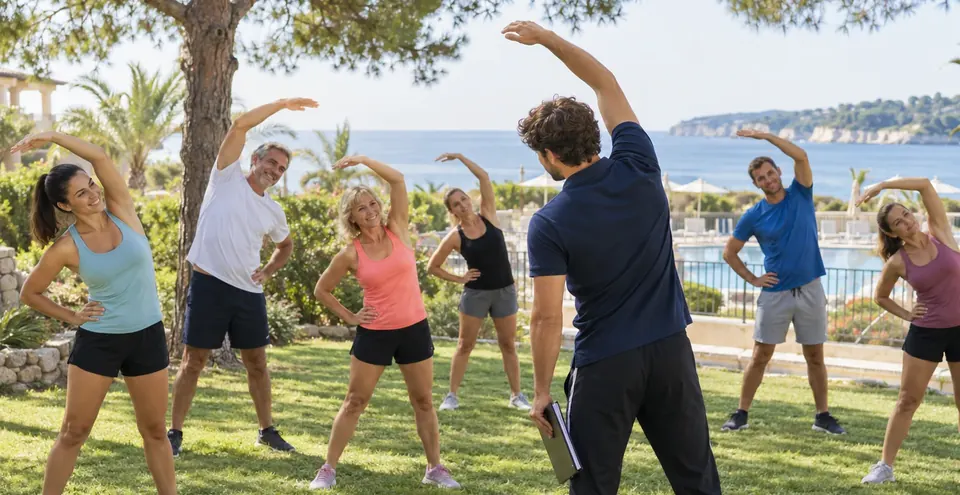
Along the beaches of Uruguay, seasonal holiday resort activity leader jobs are found in hotel kids' clubs, summer camps run by municipalities and sports clubs, surf and paddle schools, rural estancias and nature excursions on the Atlantic coast. The market is modest and mostly local, and it peaks from December to February. Employers look for sports skills, teaching experience, first aid, patience with children and a good level of Spanish, while English or Portuguese opens extra doors with foreign guests.
This page in other languages : Español
Where activity leaders find work
The beach hotels and apart-hotels of Punta del Este, La Barra and Piriápolis run children's clubs and family programmes in summer, with games on the sand, craft workshops, swimming sessions and evening shows. Teams are small, so a leader often combines tasks, from organising a tournament to supervising a pool, and larger properties hire university students on temporary contracts during the holidays.
Holiday camps, known locally as colonias de vacaciones, are a Uruguayan tradition. Departmental governments, sports and social clubs, schools and private companies organise them for children during December, January, February and the July break, and they need coordinators, monitors, swimming teachers and cooks. The Scouts also run camps that depend largely on volunteers but sometimes hire trained staff.
Outdoor tourism gives a third market. Surf and paddle schools in Montevideo, at La Paloma and at Punta del Diablo, horse riding and gaucho experiences at estancias in Rocha, Tacuarembó and Colonia, boat trips to Isla de Lobos from Punta del Este and nature walks in Santa Teresa National Park and the wetlands of Rocha employ guides and instructors for the high season. Each of these places has a distinct tone: Punta del Diablo is bohemian and youthful, La Paloma is family-oriented, and the estancias offer slow rural hospitality with asado lunches, so applicants should choose the environment that matches their personality.
Skills, languages and certificates
| Activity | Typical places | Useful qualifications |
|---|---|---|
| Kids' club leader | Punta del Este, Piriápolis, Colonia | Teaching or sports studies, first aid |
| Holiday camp monitor | Municipal and club camps | Youth work experience, swimming |
| Surf or paddle instructor | La Paloma, Punta del Diablo | Instructor certificate, rescue |
| Estancia and horse guide | Rocha, Colonia, Tacuarembó | Riding skills, local knowledge |
| Nature and boat guide | Isla de Lobos, Santa Teresa, wetlands | Guide registration, languages |
Employers prefer people who can teach and entertain at the same time. Studies in physical education, teaching, social education or recreation are a strong advantage, as are lifeguard certificates, swimming instructor courses and first aid. A short demonstration, such as leading a game or a song, is often part of the selection, and references from previous camps carry weight. Experience in a school, a parish group, a football academy or a swimming club counts too, because it shows that the candidate can manage a group of excited children and communicate with parents in a courteous, direct way.
Guiding is regulated. Tour guides who work in the country should hold the corresponding registration with the tourism authority, and boat operators must respect maritime rules and capacity limits. Protected areas have their own entrance rules and sometimes require authorised guides. Request proof of the licence for the activity and of the insurance for participants.
Language skills are valuable. Spanish is necessary, and its Rioplatense accent is easy to learn. Portuguese helps with Brazilian families, English with visitors from Europe and North America, and German or French can attract small groups of tourists to rural lodges. Calm manners, humour and a flexible attitude to changes of plan are the qualities that employers praise most.
Children, safety and responsibility
- Know the registration and pickup system for every child.
- Never be alone with a child away from the group.
- Check sun protection, water and rest breaks.
- Report any concern to the director at once.
Child protection is taken seriously. The national institute for children and adolescents and the legal code for childhood define the rights of minors, and camps and hotels are expected to have clear procedures, background checks for staff and adult supervision at all times. A leader who photographs children needs permission and should never share images without the family's consent.
On the water, the rules are strict. Pools and beaches need lifeguards, children wear life jackets on boats and activities are cancelled when flags or the weather warn of risk. The southern coast has strong currents in some places, and lifeguards patrol the busiest beaches in summer. Activity leaders must know the beach flags and the emergency numbers.
Heat, wind and sun are further hazards. In January, the sun is strong, so shade, hats, water and breaks are essential, and on windy days activities on the sand or on kites need adjustment. A written emergency plan, a first aid kit and a mobile phone for each group are basic equipment, and many programmes train staff in resuscitation before the season begins. Rest matters for the leaders themselves: long days in the sun and the noise of groups tire the body, so rotate tasks, keep water close and say clearly when you need a break in Uruguay's hottest weeks.
Season, pay and applying
The core season lasts from the middle of December until late February, with a smaller wave in the July winter break and in Holy Week. Many camps and hotels hire in November, so applications in October are timely. Contracts are often temporary, and pay follows the rules for the category, with meals or lodging sometimes included in remote places.
Wages depend on the sector agreement, the position and the employer. Coordinators earn more than monitors, and instructors with certificates can be paid by the hour or the class. Because figures change with each wage council round, check the current scale with the labour ministry or the employer, and ensure that holiday pay and the annual supplementary salary are included.
To apply, contact hotels, camps, municipalities, surf schools and estancias directly, and use the national employment institute for training and job exchange offers. Residents and Mercosur citizens can work with the right documents, while others need a permit. Be wary of offers that charge a fee, and prepare a short CV with photographs of activities and two references. Municipal offices of tourism and youth in coastal departments often publish calls for monitors and lifeguards in November and December, and these notices usually list the dates, the hours, the requirements and the place where documents must be delivered.
Frequently asked questions
Are there animation teams in Uruguayan hotels?
Some larger hotels and apart-hotels in Punta del Este and Piriápolis run kids' clubs and activity programmes in summer, but Uruguay does not have large club-style animation companies. Most leaders work in camps, schools, municipal programmes and small tour businesses, so teams are compact and each person has varied duties. This variety can be rewarding, but it also means that a leader should be ready to repair a bike, cook a snack or set up a sound system when the programme requires it, not only to run games.
Do I need a licence to lead excursions?
Guided tours and boat trips require licensed guides or authorised operators, and protected areas can add their own rules. Simple recreational activities in a camp or hotel club require suitable training rather than a specific guide licence. Always confirm which papers are needed for the activity you will lead.
Can foreign students work as camp monitors?
Only with a residence category that covers paid work. Mercosur nationals benefit from the regional residence agreement, while other nationalities should consult the immigration directorate. Some organisations accept international volunteers, which is a different arrangement and should be agreed in writing, with clear information on insurance, lodging and duration.
Where to find these jobs
- Ministry of Tourism — Government body that registers tourist guides, regulates excursions and promotes holiday destinations.
- INEFOP — National employment and vocational training institute that offers courses and job exchange services.
- INAU — National institute for children and adolescents that protects minors and supervises child care and holiday programmes.
- Uruguayan Red Cross — Humanitarian organisation that provides first aid and rescue courses for camp staff and lifeguards.
Official and legal references
- Uruguay Natural Tourism — Official tourism portal that presents nature parks, beaches and rural tourism in English.
- International Labour Organization — UN agency that publishes guidance on decent work in tourism and on the protection of young people at work.