Uruguay: seasonal hotel and restaurant employment opportunities in Punta del Este, Colonia and Montevideo
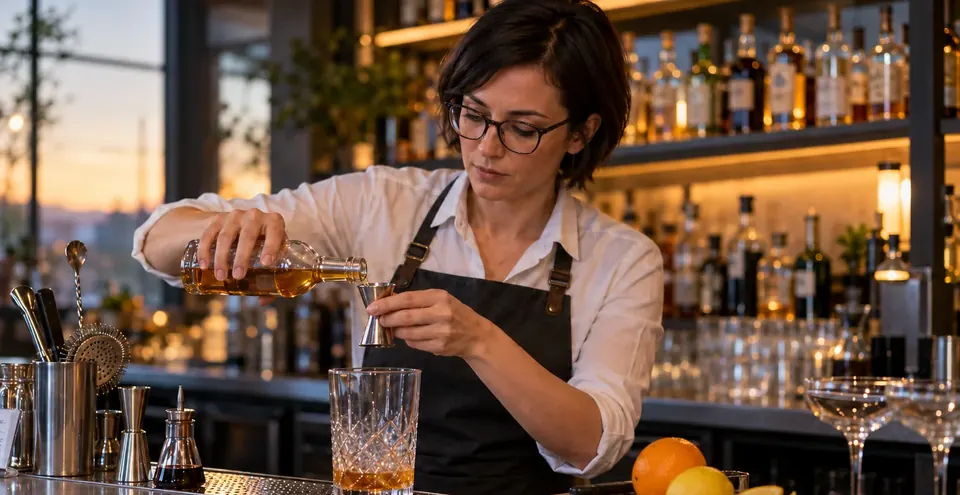
Along Uruguay's coast, seasonal hotel and restaurant employment opportunities swell from November to March, when La Paloma, Piriápolis, Colonia del Sacramento and the Punta del Este peninsula welcome visitors from Argentina, Brazil and Chile. Hotels, parrillas, beach clubs, cafés and rental complexes recruit waiters, cooks, grill masters, receptionists, housekeepers and bar staff on temporary contracts. Spanish is the working language, Portuguese and English are valued, and the strong labour rules of the country apply to every seasonal worker, including those hired for only a few weeks around the holidays.
This page in other languages : Español
Resort towns and city venues
Punta del Este and the surrounding Maldonado department form the heart of the summer trade. The peninsula, the beaches of Mansa and Brava, La Barra, Manantiales and José Ignacio host luxury hotels, boutique inns, beach restaurants and nightclubs, and the population of the area multiplies in January. Many establishments open only from late spring, so a wave of recruitment starts around midyear.
The contrast between the crowded summer and the quiet winter is dramatic: in July many restaurants on the peninsula are shuttered or open only at weekends, and the permanent staff who stay on are the managers, the caretakers and a few chefs who prepare the next season's menus.
Rocha and Canelones offer a more relaxed model. La Paloma, Punta del Diablo, Valizas and Cabo Polonio, where electricity is limited, attract backpackers and families to small hostels, cabins and seafood restaurants. In the Costa de Oro, Atlántida and Piriápolis combine family hotels and traditional bakeries. Colonia del Sacramento, a colonial town on the river, is busy all year with Argentine weekend visitors. Its historic quarter, a UNESCO World Heritage site, supports guesthouses, wine bars and craft cafés, and they depend on the ferries and buses that arrive from Buenos Aires.
Montevideo is the year-round urban market. The Mercado del Puerto grill houses, the cafés of Ciudad Vieja, the hotels of Pocitos and the rambla restaurants employ steady teams, with extra hands for Carnaval, cruise ship days and business events. In the interior, the thermal resorts of Salto and Paysandú and the wine estates around Carmelo and Canelones offer different, calmer jobs.
Roles, languages and wages
| Role | Where demand rises | Useful skills |
|---|---|---|
| Waiter or waitress | Punta del Este, Colonia, Montevideo | Speed, Portuguese, English |
| Parrillero (grill cook) | Beach restaurants, estancias | Knowledge of cuts, fire management |
| Cook or kitchen helper | Hotels, bakeries, beach clubs | Hygiene, teamwork, stamina |
| Receptionist | Hotels in Maldonado and Colonia | Languages, booking systems |
| Bartender | Punta del Este, La Barra, Montevideo | Cocktails, cash handling |
The national table is built on beef, and a good parrillero is a prized professional who controls embers, cuts and timing for the asado. Chivito, the steak sandwich, milanesas, pasta, fish and desserts such as dulce de leche pastries also feature on menus. Cooks who master basics and show respect for local tastes find work easily in the busy months.
Languages are an asset. Brazilian guests in the east and Argentine visitors across the country make Portuguese and the Rioplatense variety of Spanish useful, while English, French and German help in upscale hotels. Customers expect courtesy and a calm pace, and staff should be ready to discuss the menu, the cuts of meat and the local wines, such as the tannat from Canelones.
A waiter in a good parrilla is expected to recommend the right cut, to know how each is cooked and to suggest a bottle, so a short wine course is a useful investment for those who want to move from casual to well-paid shifts.
Wages depend on the category and the sector agreement reached by the wage councils, which fix minimum pay for hotels and restaurants. Restaurants usually add a cover charge called cubierto, and customers customarily leave a tip of around ten percent. Ask how tips are shared and when the annual bonus and the holiday payment are calculated before you sign.
Hours, housing and working life
Summer shifts are long. Lunch service on the beach may start at midday and dinner may run until after midnight, and the busiest days are weekends, New Year and Carnaval. Labour rules set a weekly limit, require rest days and regulate overtime, but in practice rosters stretch in January, so ask for a written schedule and keep a personal record. Employers who run split shifts should leave enough time between services to rest, and the labour inspectorate can be asked to check compliance when a worker believes that the pattern breaks the rules.
Accommodation is the key cost. Prices in Punta del Este and La Barra rise strongly in summer, so many seasonal workers rent rooms inland, in Maldonado city, San Carlos or Pan de Azúcar, and commute by bus. Some hotels offer shared staff rooms. In small beach towns such as Punta del Diablo, workers often share cabins and rooms with colleagues.
The climate on the coast is mild, but the wind and the sun can be strong, and winter nights are chilly in unheated rooms. Staff who work outdoors need sun protection, a jacket and water, and kitchen workers should follow food safety rules. The health system is accessible, and registered employees are covered through their social security contributions.
Applying and moving ahead
Employers publish openings on their pages and on job boards, and local governments and training institutes organise job fairs before the season. Walking into hotels and restaurants in October with a CV, references and a neat appearance is still effective in small towns. Ask whether the job is a seasonal contract or a casual shift, and request a written copy.
Foreign workers must hold a residence category that includes the right to be employed. Nationals of Mercosur states may rely on the regional residence agreement, while others should consult the immigration directorate. Hostels sometimes accept volunteers in exchange for a bed, but this is not employment and gives neither wages nor social security, so be clear about what is offered. Reading the fine print of any exchange arrangement avoids unpleasant surprises, and workers should not hand over passports or pay deposits to hosts in Uruguay without a written receipt.
Training helps. The national employment institute and the technical schools of the education system teach cooking, service and tourism skills, and certificates in food handling are often required. A waiter who learns English and wine service can move to a better restaurant, and a returning employee may be promoted to supervisor after a couple of seasons. Reputation counts in small coastal communities, and a worker who is reliable, discreet with clients and respectful of colleagues is quickly recommended to other owners.
Frequently asked questions
When should I apply for summer hotel work in Uruguay?
Begin in September and October, since many hotels and restaurants confirm their summer teams before the first holiday weekends. Returning staff are often rehired first, so contact earlier employers and send a short message with your availability from December to March. In small towns, being present in person can make a difference.
Is Portuguese useful in Uruguayan tourism?
Yes, especially in the east, where Brazilian visitors are numerous, and in Punta del Este. Basic Portuguese helps with orders, directions and complaints, and it is easy for Spanish speakers to learn. English remains the second advantage for boutique hotels and for guests from North America and Europe.
Do I receive a bonus if my contract is short?
Workers normally accrue holiday pay and a share of the annual bonus in proportion to the time worked, even on short engagements, because these rights come from the labour laws. The calculation depends on the dates and the wage, so ask the employer or the labour authority how they are applied to your case.
Where to find these jobs
- AHRU — Uruguayan association of hotels and restaurants that represents employers and supports training in the sector.
- Ministry of Tourism — Government body that regulates tourist businesses and promotes the beaches, cities and seasonal events.
- INEFOP — National employment and vocational training institute that offers courses in cooking, service and tourism.
- Ministry of Labour and Social Security — Government ministry that sets wage rules through wage councils and supervises working conditions.
Official and legal references
- Uruguay Natural Tourism — Official tourism portal with destination guides, events and seasonal information in English.
- International Labour Organization — UN agency that describes working conditions, hours and rights in hotels and catering.