Panama: summer and winter seasonal work opportunities across verano, invierno and the festive calendar
In Panama, summer and winter seasonal work opportunities describe the dry verano that begins around mid-December and ends in April, and the rainy invierno that takes over from May until early December, instead of heat and cold. In the dry spell, finishing coffee, sugar cane, melons, building sites and crowded beaches provide work, whereas the wet months suit planting, repairs and whale watching. Carnival, Holy Week and the November national holidays add short bursts of extra work. Panama sits outside the main hurricane belt, but heavy rain and floods affect many regions.
This page in other languages : Español
What summer and winter mean
Temperatures in Panama City and the lowlands stay warm all year, while highland towns such as Boquete and Cerro Punta feel cool, especially at night. The Caribbean coast has frequent rain in nearly every month, so the two seasons are much more distinct on the Pacific side.
Climate risks differ from neighbours. Panama lies south of the main storm path, so direct hurricane strikes are rare, but heavy rainfall causes floods and landslides, especially in the rainy months. Rough seas can interrupt boat links to the archipelago of Bocas and to the Pearl Islands. Employers and workers should watch official alerts and keep rain gear and spare clothes in waterproof bags.
Many people in Panama use the English words summer and winter casually, because of the long influence of the Canal Zone and of English-speaking communities, especially in Colon and Bocas del Toro. In Spanish-language contracts, however, the words verano and invierno are the normal terms. Read dates carefully so that you do not misunderstand a start or end of a seasonal engagement.
Calendar words can mislead. A job advert that promises work for summer in Panama might mean the dry verano, which begins around Christmas and often ends before Easter, or the school break in January and February, or simply the busy Carnival weeks. Always ask for the first and last working date in writing, together with the workplace and daily hours, so that nobody turns up for a season that was never going to exist.
Jobs in the dry season
Coffee harvest finishes in the highlands in the first months of the year, with pickers, drying workers and mill staff in Boquete and Tierras Altas. Sugar mills in Cocle and Veraguas run their cane season, and melon and watermelon farms in Azuero hire pickers and packers.
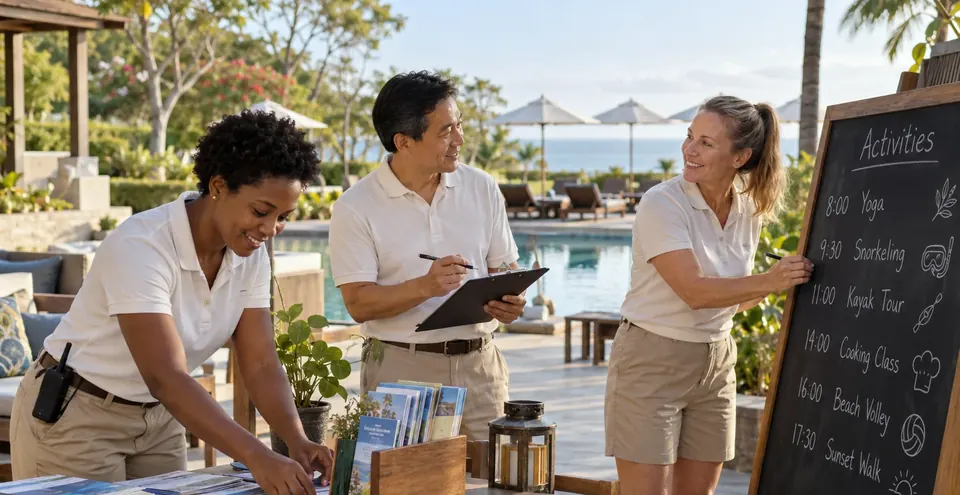
Tourism rises with the weather. Hotels, beach resorts, dive shops, tour agencies and cruise services in Panama City, Bocas del Toro, Pedasi and the Pacific coast recruit waiters, cooks, cleaners and guides. Vendors in Casco Viejo, artisan markets and beach stalls make steady income, while transport companies add extra buses and boats for holiday weekends.
Cultural events add temporary jobs. The Boquete flower and coffee fair in January, Carnival in Las Tablas and the Corpus Christi festival in La Villa de Los Santos hire stage crews, cooks, security and traditional dancers. Such work is arranged by local committees, often a few weeks in advance, and reliable people are invited back every year.
Cane cutters in Cocle and Veraguas work through the dry months while mills near Aguadulce and Pesé run day and night to crush the harvest. Cutters start before sunrise, burn off leaves in some fields and carry stalks to loading points. The work is demanding, dusty and dangerous when machetes slip, so employers should provide boots, shin guards and eye protection, plus transport that is safe and punctual.
Jobs in the rainy season
- Planting and weeding of rice, maize, vegetables and fruit trees
- Repairs of roofs, roads, bridges and hotel buildings after heavy rain
- Whale watching and wildlife tours, with humpback whales visible in Pacific waters from July to October
The rainy season is not a dead time. Farmers plant and weed, and hotels use the quieter months for painting and training. The Panama Canal operates year-round and depends on rainfall to supply its locks, so the wet months are important for the whole economy. Employees with flexible skills move between sectors without long gaps.
Whale watching is a good example of seasonal specialisation. Humpback whales that spend the southern winter in warm tropical waters appear off the Pacific coast, the Pearl Islands, Pedasi and Coiba roughly between July and October. Boat captains, naturalist guides, hotel hosts and drivers find work in those months, and operators insist on strict rules to keep boats at a safe distance from the animals.
The rainy months also support agriculture and forestry. Reforestation projects, nurseries and community gardens use the wet period for planting seedlings, and coffee farms prune and fertilise ahead of the next harvest. Such tasks are lighter than picking and often suit women, young people and older workers, who may receive a daily wage from the farm or from a development programme.
Heavy rain drives a very different set of tasks in the interior. Roofers and pump technicians in David and Santiago have steady calls, hardware shops hire extra counter staff, and municipalities clear drains and repair bridges. Hotels along the Pan-American Highway run discounts for domestic travellers, which keeps small teams employed. People who can combine plumbing, painting and driving usually find the wet months easier to live through.
Planning table
| Season | Months | Typical jobs |
|---|---|---|
| Dry verano | Mid-December to April | Sugar, melons, coffee finish, tourism, building |
| Carnival | February or March | Las Tablas events, transport, catering |
| Rainy invierno | May to early December | Planting, repairs, whale tours |
| National holidays | November | Parades, hospitality, security |
A practical way to plan is to build two budgets, one for the dry verano and one for the rains. In the dry months, assume more shifts, higher spending on transport and a few extra payments such as bonuses. In the rainy months, assume fewer hours and keep a reserve for rent. Seasonal workers who treat income this way avoid borrowing from lenders who charge steep interest.
Education calendars matter as well. Public schools close for a long vacation early in the year and for shorter breaks around mid-year, and many parents rearrange work around them. Employers who offer flexible hours during those weeks, or allow children's visits to a staff area on a holiday, keep experienced employees longer than those who ask for extra shifts without notice.
Keep records of everything. A small notebook with the dates worked, the employer's name, the agreed rate and the total received helps prove your employment history for later job applications, and it protects you in a dispute over unpaid days. Photographs of contracts, pay slips and colleagues' phone numbers, stored on a phone and a second backup, take little time and give you confidence when a new season begins.
Practical questions on seasons
Is there a winter in Panama?
Not in the temperate sense. Panama has no snow or frost, and the word invierno simply names the wet half of the year, from May to early December, when heavy afternoon showers cool the air only a little. Lowland temperatures stay warm all year, while high towns such as Boquete and Volcan feel fresh at night, so a light sweater and a rain jacket are enough.
When is the best season for work?
Mid-December to April gives the widest choice, because dry weather lets farms, mills and building sites run at full speed while hotels fill with visitors. Begin contacting employers in November, with references ready, and be prepared to start within days. In the rains, look instead at planting, maintenance, whale-watching boats and the steady offices and ports of the capital.
Are floods a risk for workers?
Yes, particularly in river valleys, low coastal villages and steep hillsides during the heaviest rains of the wet season. Employers should explain the safest route and meeting point, and workers should never cross a swollen stream on foot or by vehicle. Listen to civil protection alerts, store documents and phones in waterproof bags and stay away from camps built beside rivers.
Where to find these jobs
- Ministerio de Trabajo y Desarrollo Laboral (MITRADEL) — National labour ministry that regulates temporary and seasonal contracts, publishes wage scales and inspects workplaces in every province.
- Autoridad de Turismo de Panama (ATP) — Government tourism body that publishes festival dates, events and information on high and low seasons for visitors and workers.
- Sistema Nacional de Proteccion Civil (SINAPROC) — National civil protection agency that issues alerts and coordinates shelters and rescue during floods and storms.
- Autoridad del Canal de Panama (ACP) — Canal authority that manages the waterway and publishes information on operations, water levels and employment linked to the canal.
Official and legal references
- World Bank — International institution that publishes climate and economic overviews of Panama, including rainfall patterns and the role of the canal and services in seasonal work.
- International Labour Organization — United Nations agency with guidance on temporary employment, heat stress and safe work during extreme weather.