Panama: seasonal hotel and restaurant employment opportunities in the capital, Bocas del Toro and the beaches
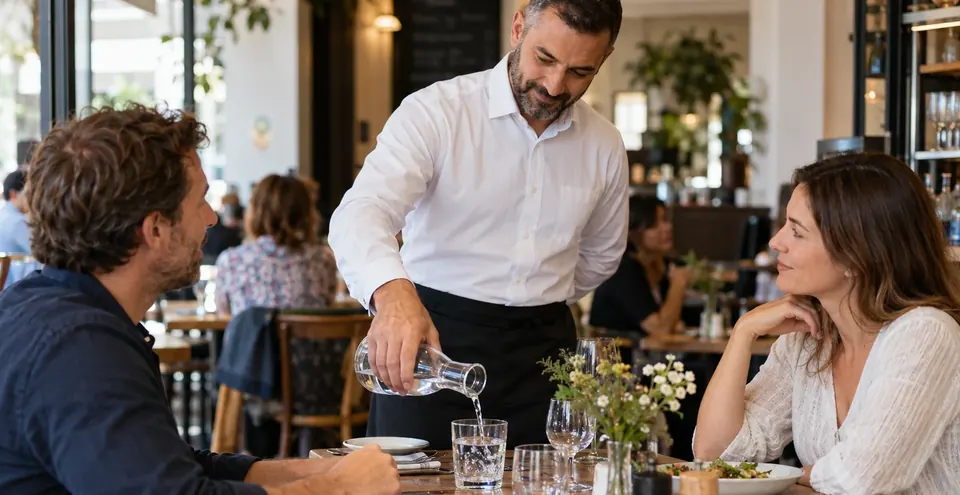
Panama has a large service economy, and seasonal hotel and restaurant jobs are found in the capital, Bocas del Toro and the beaches. Panama City is the most important employer, with business hotels, boutique inns in Casco Viejo, rooftop bars, seafood restaurants near the Cinta Costera and busy cafes serving both travellers and residents. Servers, kitchen staff and front desk teams are hired, preferably with Spanish and English. Pay, housing and hiring windows vary by area and by employer. Newcomers who arrive early in the season find the widest choice of posts.
Hotel and restaurant jobs in Panama: where hospitality hires
Panama City is the most important employer. Business hotels, boutique inns in Casco Viejo, rooftop bars, seafood restaurants near the Cinta Costera and busy cafes serve both travellers and residents. The Amador causeway, with marinas and cruise services, and the nearby canal visitor centres add jobs in catering and guest assistance, with peaks during the dry season and when conventions fill the city.
Bocas del Toro, an archipelago on the Caribbean side, has water taxis, wooden hotels over the sea, dive shops and restaurants on Isla Colon, Isla Carenero and Bastimentos. The population is a mix of Ngabe, Afro-Caribbean and Latino families, and English-based Creole is heard along with Spanish. Seasons are less clear than on the Pacific, though visitors peak in the dry months and around holidays.
In the Chiriqui highlands, Boquete has coffee tours, boutique lodges and restaurants that welcome retirees and hikers, while Volcan and Cerro Punta host guesthouses and farm kitchens. On the Azuero Peninsula, Pedasi, Playa Venao and Santa Catalina on the Veraguas coast attract surfers, and El Valle de Anton and the Pacific resorts of Cocle serve weekend visitors from the capital.
Cruise tourism has its own rhythm. Ships call at Colon, Amador and Bocas del Toro mostly between October and April, and restaurants, craft shops and transport operators near the ports hire extra people for those days. The work is intense but short, usually paid by the day, and it suits residents who can respond quickly when a ship schedule is confirmed.
Chain hotels and independent inns follow different rules about uniforms, meal breaks and shift swaps. A large property in Panama City may offer a written handbook, an induction and a union-style complaints route, while a ten-room inn on Isla Carenero depends on the owner's word. Neither is bad in itself, but a candidate should ask early who sets the roster, how last-minute changes are paid and how disputes are settled.
El Valle de Anton, in the crater of an extinct volcano, adds weekend work to the central region. Its market sells orchids, handicrafts and local produce, and its guesthouses, restaurants and thermal-spring hotels hire staff on Fridays and Saturdays, as capital families drive up for the cooler air. Cooks, waiters, gardeners and tour assistants are usually recruited from the village, and newcomers who rent a room there may be called first.
Roles, languages and pay for seasonal hotel work in Panama
Spanish is required almost everywhere. English is highly useful in the capital and on Bocas, where many guests and owners are foreign, and a candidate who speaks both can often earn better pay. French, German, Portuguese and Italian are advantages with specific groups. Politeness, a neat appearance and punctuality are key, and many managers value these as much as certificates.
Reception staff in Panama City hotels are often asked to handle guests from Colombia, Venezuela, the United States and Europe in the same morning, so quick switching between Spanish and English is the real test in an interview. Managers also look for calm manners when airlines delay arrivals at Tocumen airport and rooms are not ready. Staff who stay cheerful at the counter during those hours are remembered at promotion time.
Bartenders on Bocas and in Casco Viejo prepare drinks with seco, the local sugar-cane spirit, rum from Herrera province and fresh juices of guanabana, tamarind and passion fruit. Knowing how to pour a clean cocktail, count stock and close the till accurately matters more than flair. Many owners train a trusted dishwasher or runner behind the bar, so entering through the kitchen is a realistic route to better paid posts.
Housing and daily life
- Rents in Panama City and Bocas can be high, so shared rooms are common
- Some hotels on islands and in remote lodges provide staff rooms and meals
- Buses, metro and shared taxis serve the capital, while boats connect the islands
- Dengue and other mosquito-borne diseases occur, so repellent matters
Daily life changes from place to place. Panama City is a modern, noisy and busy capital with a metro, malls and nightlife, while island and highland communities live more slowly. Newcomers should take time to understand local customs, from greetings to conversation, and should be careful with money and valuables in crowded areas.
Safety and health deserve attention. Dengue appears in lowland areas, so wear repellent and remove standing water near your lodging. Employers should provide drinking water, first-aid supplies and a clear emergency plan, especially on islands where clinics are far away.
Daily budgeting deserves thought before signing. A room in a shared flat in the capital can absorb a large part of a basic wage, and island prices for food and water are higher still because supplies come by boat. Compare transport, laundry and meals with what the employer offers, and consider that a hotel which supplies a staff lunch and a uniform may be worth more than its headline pay suggests.
Hiring windows in seasonal hotel and restaurant jobs
| Period | What happens | Staff demand |
|---|---|---|
| Mid-December to April | Dry season, high visitor flow | Highest in resorts and islands |
| Carnival, February or March | Parades and travel to Las Tablas | Short peaks in Azuero and the capital |
| Holy Week | Domestic holidays and beach trips | Extra shifts on the Pacific coast |
| May to November | Rainy months and the whale season | Lower, with niche tourism |
Hotels often recruit in November and early December. Visit in person, bring a Spanish CV and, if possible, references from earlier employers. Ask about trial days. For positions in the capital, online platforms and agencies exist, but contact with a manager remains the most reliable route.
Panama City also has a rhythm of conventions, concerts and sporting fixtures that adds short contracts to banquet teams and event caterers. When a large congress or a cruise turnaround is announced, outsourcing firms call back former waiters and runners first, which is why leaving a good impression and a working phone number matters. Keep your availability updated and answer messages quickly, since replacements are chosen the same day.
Highland towns recruit on a different cycle. Boquete's inns and restaurants hire before the January flower and coffee fair, when the town fills with visitors, and again in the cooler months of the rains for retirees and hikers. Guesthouses in Cerro Punta and Volcan rely on weekend travellers from David. A visit in person on a weekday morning, with a short CV and a friendly greeting, usually works better there than an email.
Cooks in Panama's hotel kitchens often begin as prep helpers who peel yuca, clean seafood and chop onions for the lunch rush, and advance when a chef notices neat knife work and clean stations. Many establishments run a short test, such as preparing a simple sauce, grilling a fish or arranging a plate, so practising basic dishes at home before an interview can make the difference between a polite thanks and a start date.
Questions about hospitality jobs
Is English enough to get a hotel job in Panama?
In the capital and on Bocas, English helps a great deal, but Spanish is still required for colleagues, suppliers and paperwork. A candidate who speaks both languages has a clear advantage. Learning basic Spanish before arrival improves your chances and makes the first weeks of work easier.
Panama: are tips common?
Yes, in many restaurants, bars and tourist hotels, though amounts vary. A service charge is sometimes added to the bill. Ask the employer how tips and service fees are shared, and make sure the rule is written in your contract so that there are no surprises at pay time.
When should I apply for the dry-season peak?
Apply between October and early December, since managers prepare their teams before visitors arrive. Visit hotels in person, send a CV with languages and references, and offer a trial shift. If you are abroad, ask the employer to confirm in writing what permit is needed.
Where to find these jobs
- Camara de Turismo de Panama (CAMTUR) — Private tourism chamber that groups hotels, restaurants and tour firms and supports training and fair practice in the sector.
Official and legal references
- International Labour Organization — United Nations agency with international standards on hours, rest and protection for hotel and restaurant workers, including written contracts.
- World Bank — International institution that publishes economic and tourism data on Panama, helping explain how visitor numbers and the canal shape hotel hiring.