Tanzania: seasonal holiday resort activity leader jobs for guides, dive staff and guest hosts
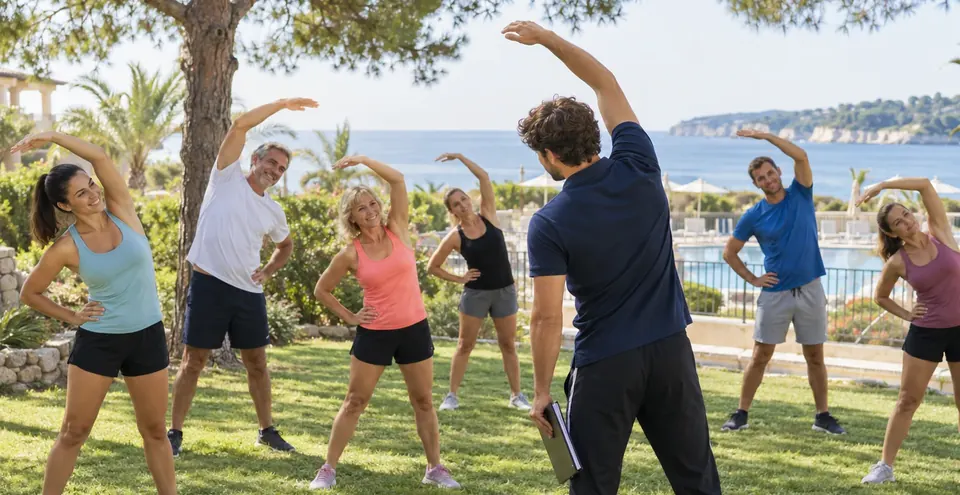
In Tanzania, seasonal holiday resort activity leader jobs are posts that keep guests busy and safe during their stay, from guiding nature walks to organising beach games and cultural evenings. Activity leaders work in Zanzibar resorts, safari lodges, dive centres and tour companies, usually for the dry months and the year-end holidays. The role blends hosting, sport and local knowledge, and it asks for languages, first aid and responsible behaviour towards children. Most positions are held by local guides and trained staff, while foreigners need a permit and a registered sponsor.
Where activity roles exist
Organised animation in the European club style is limited in Tanzania. Instead, guest activity is built into the experience of each place. Zanzibar resorts at Nungwi, Kendwa, Paje and Matemwe use staff to run snorkelling trips, dhow sailing, kite and paddle lessons, yoga and evening cultural shows. Safari lodges rely on guides, nature walkers and sometimes children's rangers who teach tracking and bird identification. On Mafia, dive and whale shark operations provide the main outdoor programmes, and Lake Victoria and Lake Tanganyika offer fishing and boat experiences.
Mountain and cultural tourism add further openings. Around Arusha, Moshi and the Usambara hills, communities run village walks, coffee tours and cooking classes, often with youth groups from the host villages. Trekking agencies employ assistant guides and camp hosts. For the visitor, this means the title of activity leader may appear under different names, such as guide, host, instructor, excursion coordinator or guest relations assistant, so searching by task rather than by title gives better results.
Tour companies also employ trip leaders who accompany groups for several days. They organise transfers, brief clients, solve small problems and liaise with drivers and lodges. The role calls for stamina and for diplomacy when plans change because of weather or road conditions. Leaders on the Kilimanjaro routes, such as Machame, Lemosho, Marangu and Rongai, work with licensed guides, cooks and porters, and need to understand altitude sickness and rescue procedures. This work is seasonal and tied to the dry windows when most climbers arrive.
Kids and family programmes are growing in the larger beach resorts. Staff organise sandcastle contests, treasure hunts, drawing sessions with local artists and short nature walks along the shore. Because families travel in school holidays, this work peaks in July, August and December. Activity leaders need energy, creativity and a firm but friendly manner, and they often work with a small team under a head of guest activities who plans the weekly timetable.
Qualifications, languages and character
Guides must follow national standards. Tanzania requires safari and mountain guides to hold recognised licences, and the National College of Tourism and approved guide schools offer training. Water sports staff need instructor certificates from international bodies, and dive roles require a valid rescue or professional diving qualification with up-to-date first aid. Employers also expect swimming ability, basic medical knowledge, and the discipline to follow safety briefings without exception. Experience with groups, from children to older travellers, is a clear advantage.
Languages open doors. English is the working language, Kiswahili is the bridge to local life, and German, Italian, French or Chinese are valued because many guests travel from those countries. Personality counts too: patience, humour, a calm voice in difficult moments and respect for local customs. Staff are role models for guests and must stay sober and professional on duty. Reference letters from previous camps or schools, and a recent first-aid certificate, are the documents most often requested before an interview.
Entertainment in the evening is also part of the job in many places. Staff may lead storytelling by the fire, drumming and dance sessions with local groups, or tastings of Swahili dishes and spices in Stone Town. Such activities should be respectful, and the performers should be paid fairly rather than used as free decoration. Workers who are sensitive to local culture, and who can explain customs without turning them into a caricature, often win the trust of both guests and hosts and are asked back.
Children, safety and conditions of work
Working with minors brings real responsibility. Responsible resorts have written child protection rules, supervised kids' clubs, lifeguards on duty and a policy about photographs and one-to-one contact. Staff should never be alone with a child in a private space, and any concern must be reported to the manager at once. Applicants may be asked to show a police clearance from their home country. Water safety is critical on the coast, where tides, currents and sea urchins create hazards that newcomers underestimate.
Conditions vary by employer. Some resorts offer shared staff housing, meals and a modest wage with tips, while small operators pay by the excursion or by the day. The table below compares typical roles, settings and qualities employers look for. Work days are long during peak weeks, and rest days may not match the weekend. A written contract that names duties, hours, accommodation and the period of employment is the best defence against misunderstandings and unpaid overtime.
| Role | Setting | What employers look for |
|---|---|---|
| Excursion guide | Safari lodges, Arusha, Moshi | Licence, wildlife knowledge, languages |
| Water sports instructor | Zanzibar and Mafia resorts | Instructor certificate, rescue skills |
| Children's activity host | Beach resorts and family lodges | First aid, patience, safeguarding awareness |
| Cultural evening host | Hotels, Stone Town venues | Music, storytelling, Kiswahili and English |
Safety management is a daily duty. Activity leaders should know the emergency plan, the nearest clinic, the radio or phone contacts and the local evacuation route. In remote parks, help can be hours away. Water activities require a clear briefing, lifejackets and a count of participants before and after each excursion. Wildlife encounters must always follow the rules of the park authority, and leaders must refuse unsafe requests from clients, even when a tip is promised, because a single incident can end a career.
Permits and ways to start
Foreigners must hold a work permit issued through the Immigration Services Department, normally sponsored by a registered Tanzanian employer. Short trial periods unpaid are still considered work. Gap-year volunteering exists, but it should be arranged through a recognised organisation with a clear letter of invitation. Those who wish to start can begin by taking a recognised first-aid and lifeguard course, building a list of lodges and resorts, and contacting managers during the shoulder months when they plan the next peak.
Local candidates can follow a clear path: complete a hospitality or guiding course, work a season as an assistant, then apply for a lead role. The Tanzania Association of Tour Operators, the Tanzania Tourist Board and regional tourism offices hold lists of registered businesses, and the National College of Tourism helps graduates find placements. Any employer who demands money for a place, or who cannot show a licence or an address, should be avoided.
Remuneration is usually modest and often combined with housing, meals and tips. The base wage depends on qualification, the size of the business and the season, and independent guides may earn commission on excursions. Be wary of offers that sound too generous, or that ask for a fee to secure a placement. Ask who insures the staff in case of injury, who pays for medical care, and whether certificates or equipment are supplied. A written agreement, even a short one, protects both leader and employer.
Frequently asked questions about resort activity jobs
Are there holiday clubs in Tanzania like in Europe?
Few. Tanzania has resorts and lodges with activity teams, but full animation programmes are less common, and most work is guiding, water sports, excursions or cultural hosting.
Tanzania: do I need a licence to guide visitors?
Safari and mountain guides need recognised licences, and some activities, like diving and boat trips, require certified instructors or operators. Ask the employer to confirm which documents are required.
Can I work with children without a qualification?
Experience helps, but employers prefer first aid, safeguarding awareness and swimming ability. Many ask for a police certificate, and children should always be supervised by trained staff.
Where to find these jobs
- Tanzania Association of Tour Operators — Association of safari and tour companies that supports guide standards, training and professional practice.
- National College of Tourism — Public college that trains guides, hosts and hospitality staff and works with employers on placements.
- Kilimanjaro Porters Assistance Project — Non-profit organisation that supports porters and trekking crews with training, clothing and fair treatment.
- Tanzania Tourist Board — National tourism body that promotes destinations and keeps information on tourism businesses and activities.
Official and legal references
- Tanzania Tourist Board — Official tourism authority with English-language information on destinations, activities and travel in the country.
- Tanzania Immigration Services Department — Government body that issues work permits and publishes guidance for foreign nationals who wish to work.