Paraguay: seasonal fruit and vegetable picking jobs on family farms, strawberry fields and orange groves
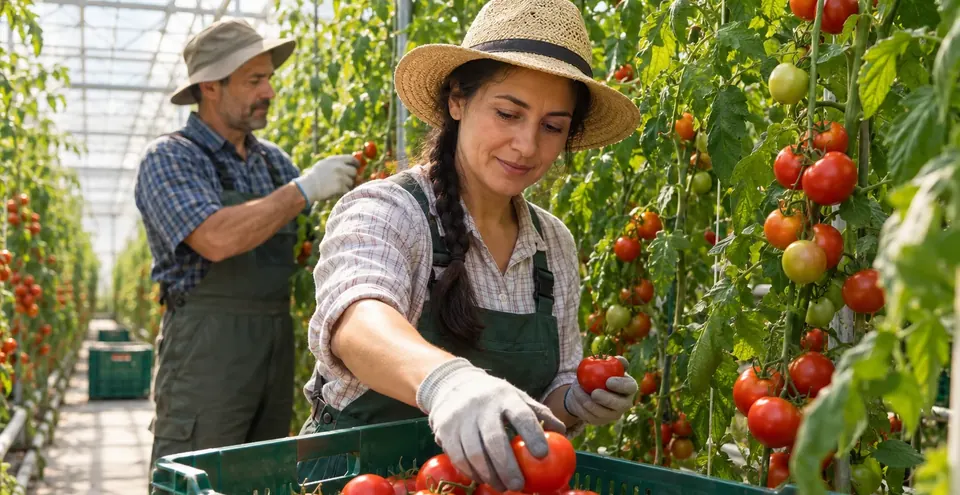
In Paraguay, seasonal fruit and vegetable picking jobs remain modest in scale because the great export crops, soy and maize, are mechanised. Real picking work is found on family farms around Asuncion, in the strawberry fields of Aregua, in tomato and vegetable plots of the central departments, in citrus and banana groves of Itapua, Alto Parana and San Pedro, and in cassava, peanut and sesame fields. Pay is often by day or by load, and conditions vary widely. A foreigner may work only with residence and an employer-backed contract.
This page in other languages : Español
What farming really looks like
Paraguayan agriculture has two worlds. The first is large, mechanised and export oriented, with soy, maize, wheat and rice, and it uses machines and a few skilled operators. The second is family farming, concentrated in San Pedro, Caaguazu, Cordillera, Paraguari and Central, where households grow cassava, maize, beans, peanuts, sesame, vegetables, fruit and cotton on small plots.
Fruit and vegetable picking belongs mostly to the second world. Aregua is famous for strawberries, harvested in the cooler months from about June to October, when pickers kneel along rows and fill small boxes. Near Asuncion and in Central, growers supply tomatoes, peppers, lettuce, onions and watermelons to markets, while Itapua and Alto Parana have citrus, pineapple, bananas and mandioca for processing.
Yerba mate, the leaf used for the national drink, is harvested by cutting branches from trees, mostly in the cooler months, in departments such as Concepcion, Amambay and Alto Parana. It is not a fruit, yet it provides the largest block of seasonal outdoor labour linked to a plant harvest. Workers are taken to the stands by truck, cut and carry sacks to the drying plant.
Cassava, called mandioca, is the daily food of most households and grows on nearly every farm. Roots are dug by hand with a hoe or pulled by a lever, loaded into sacks and carried to the house or the market. Peanuts, called mani, and sesame add cash income, while bananas, pineapples and oranges are sold to roadside buyers who fill trucks at harvest time.
Immigrant colonies shape the farm map. Japanese communities in Itapua and Alto Parana, such as La Colmena and Pirapo, grow soy, wheat, vegetables and fruit, German-speaking settlers farm around Colonia Independencia and Hohenau, and Brazilian farmers dominate the border plateau of Canindeyu. Each community has its own recruitment habits, and some hire seasonal staff who speak Spanish, Portuguese or German according to the farm.
Fruit trees are often scattered rather than planted in rows. Mangoes, avocados, guavas, custard apples and passion fruit ripen around houses and on field edges, and seasonal helpers climb with ladders and long poles. Large volumes go to local markets such as Mercado 4 in Asuncion, where women traders sort, wash and bundle produce before dawn.
Tasks, rhythm and pay
Fruit and vegetable days start early to avoid the summer heat. Pickers fill baskets, crates or sacks, place them at the end of the row and wait for the checker to count. Packers wash, sort and weigh. Work is tiring because of the bending, repeated movements and exposure to sun, dust and sudden storms, and breaks are short.
Tomato picking in the central departments follows the heat. Fruit is picked at the colour stage requested by the buyer, laid in plastic crates and carried to shaded collection points. Stakes, strings and plastic mulch require handling too, and workers cut suckers and tie plants between harvests. Because buyers reject damaged fruit, carefulness matters, and foremen often reward consistent pickers with preferred rows and more days of work.
Sugar cane cutting in Guaira and Paraguari is dominated by manual teams in the cooler months. Cane is cut at the base, trimmed of leaves and stacked for collection, with workers wearing shin guards, gloves and long clothing. Payment by tonne is common, and weighing at the field edge can lead to disagreements, so many teams appoint a trusted member to watch the scale and keep written records.
Peanuts, called mani, are lifted from the ground by hand or with a plough, shaken free of soil and laid in rows to dry before threshing. Early in the year, family teams in Concepcion, San Pedro and Cordillera spend long days bent over the plants while children bring water. The work is dusty, and masks and bandanas help, but the rhythm of conversation and shared tereré makes the days easier.
Housing, transport and rights
Agrarian reform and land disputes are part of the rural story, and community organisations in San Pedro, Caaguazu and Canindeyu are active. Workers can join cooperatives, which negotiate prices and sometimes offer credit, transport and training. A cooperative can also help members obtain written contracts and improve their working conditions.
Agrotourism and farm stays bring a different kind of seasonal work. Family farms near Aregua, Itaugua and San Bernardino welcome day visitors for strawberry picking, jam making and lunch, and they hire cooks, guides and helpers on weekends and during school holidays. These jobs are easier on the body than field picking, and they offer a chance to practise Spanish and Guarani with customers and hosts.
Wages and living costs in the countryside are lower than in Asuncion, but so are services. Remote farms may lack mobile signal, nearby clinics and shops, which makes planning essential: carry an extra phone charger, basic medicines, a small stove or a food reserve, and agree with the foreman how to contact a doctor in an emergency. Farm owners who provide a vehicle for urgent trips earn lasting trust from workers.
Crop table
| Crop | Region | Usual period |
|---|---|---|
| Strawberries | Aregua, Central | June to October |
| Citrus and bananas | Itapua, Alto Parana, San Pedro | Several months of the year |
| Tomatoes and vegetables | Central, Cordillera | Several cycles, especially cooler months |
| Peanuts and sesame | Eastern departments | Early in the year |
Cooperatives in Paraguay play a major role in rural life. Large ones, such as those of the Mennonite colonies, process milk, meat and peanuts, while smaller farmer groups market fruit, honey, manioc starch and sugar. They run stores, offer credit and provide training, and members benefit from group prices. Seasonal workers can seek employment through cooperative notice boards, which generally describe tasks and wages more clearly than informal calls.
Honey, stevia and medicinal herbs form a quieter niche. The leaf of stevia, called ka'a he'e in Guarani, is native to the eastern hills and is dried and sold to sweetener makers, while beekeeping provides small incomes in Itapua and Cordillera. These crops require delicate hand work, such as cutting stems at the right moment or lifting frames, and are mostly done by family members trained from childhood.
Rain and frost can wipe out a week of income. Orange groves can lose blossoms in a late cold snap, tomato plants suffer in hail and cotton is sensitive to prolonged drizzle at picking time. Workers should keep a small reserve, ask whether the farm provides food or transport on lost days and look for other work nearby, such as repairs, loading or market sales, to bridge the gap.
Practical questions about harvest work
When is the strawberry season in Paraguay?
Strawberries around Aregua ripen mainly in the cooler months, from about June to October, with a festival that celebrates the crop. Growers hire local families and students for picking and packing. Exact dates depend on frost and rain, so contact farms in advance if you live in the area.
Is it legal for a foreigner to pick fruit?
Only with residence and an authorised contract linked to an employer. Farms mostly recruit local workers, families and seasonal gangs from nearby villages, and a visitor who works without permission risks fines and removal. If you simply want to learn about Paraguayan farming, visit a cooperative or a farm stay as a paying visitor, and ask the migration office what activities are allowed.
What should I take to a farm?
Pack a broad-brimmed hat, long-sleeved shirts, sturdy boots, light gloves, sun cream, insect repellent, plenty of drinking water and a few basic medicines. Put identity papers in a sealed bag, hold back money for the bus home and write down how to reach the regional labour office, so that you can call quickly if pay, lodging or safety fails.
Where to find these jobs
- Ministerio de Agricultura y Ganaderia (MAG) — Ministry of agriculture that supports farmers, supervises plant health and runs rural programmes for family farms, fruit, vegetables and cash crops.
- Ministerio de Trabajo, Empleo y Seguridad Social (MTESS) — Labour ministry that supervises agricultural contracts, minimum pay and conditions and receives complaints from farm workers.
- Servicio Nacional de Promocion Profesional (SNPP) — Public training service offering courses in farming techniques, machinery and food handling in several departments.
Official and legal references
- Food and Agriculture Organization of the United Nations — United Nations agency offering information on crops, rural employment and family farming in Paraguay and South America.
- International Labour Organization — United Nations agency with standards on agricultural safety, child labour and fair payment for rural workers.