Paraguay: seasonal hotel and restaurant employment opportunities in Asuncion, San Bernardino and Encarnacion
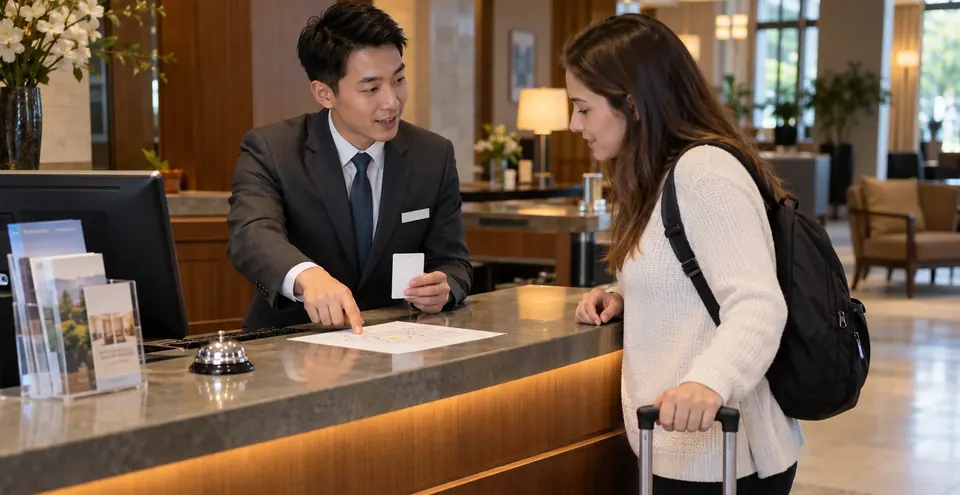
In Paraguay, seasonal hotel and restaurant employment opportunities gather in Asuncion, the lakeside resort town of San Bernardino, the river city of Encarnacion, the trade hub of Ciudad del Este and the estancias of the countryside. Demand grows in the hot summer months, at Carnival and around religious pilgrimages and big football matches. Waiters, cooks, receptionists, cleaners and event staff are the usual posts. Spanish and Guarani dominate, English and Portuguese help, and a foreign candidate must first obtain residence and a valid work contract.
This page in other languages : Español
Where hospitality hires
Asuncion has the broadest market, with business hotels, historic guesthouses near the Plaza de los Heroes, restaurants serving Paraguayan grills and international menus, and shopping malls with food courts. Congresses, football matches at the stadiums and cultural events create short peaks. Hotels also host Mercosur meetings, bringing delegates who expect good service in Spanish and English.
San Bernardino, on Lake Ypacarai, is the traditional summer resort for capital families. From December to March the lake front fills with holiday houses, hotels, restaurants and clubs, and weekends are the busiest. Nearby Aregua, famous for strawberries and ceramics, and Itaugua, known for its handmade lace called nanduti, have small guesthouses and cafes serving day visitors.
Encarnacion, on the Parana River, is the second great centre. Its riverside beach, Playa San Jose, draws crowds in the summer, and its Carnival in February is among the most colourful in the country. Nearby, the Jesuit missions of Trinidad and Jesus de Tavarangue, recognised by UNESCO, attract cultural visitors. Ciudad del Este, next to the Iguazu Falls region and Itaipu dam, hosts business travellers and shoppers who stay in hotels.
Estancias and country lodges form a quieter segment. Outside Asuncion and in Itapua, Concepcion and San Pedro, ranch houses welcome guests for weekends, with horse riding, home cooking and long dinners. They hire cooks, guides, gardeners and housekeepers, usually from nearby villages, and they value people who can handle a variety of tasks and keep calm in a remote setting with limited services.
Ciudad del Este and the border region have large hotels that serve shoppers, business visitors and tourists heading to the Iguazu Falls on the Brazilian and Argentine sides. Hotel staff there often speak Spanish, Portuguese and some Mandarin or Arabic, because trading communities from Asia and the Middle East have lived in the city for decades. Language skills therefore strongly affect hiring.
Heritage towns add quieter work. Villa Florida on the Tebicuary River, Pilar on the Paraguay River, Concepcion in the north and San Ignacio in the Misiones have riverside inns and family restaurants that fill during local festivals. Owners recruit relatives and neighbours first, but a polite visit with a short note, a clean uniform and a willingness to start washing dishes can open a place for the festival weekend and sometimes beyond.
Evening dining in Asuncion follows its own pattern. Families go out late, restaurants along the Costanera and in Villa Morra fill after nine, and kitchens often stay open past midnight. Waiters should be comfortable with long shifts, carrying large trays of grilled meat and managing tables celebrating birthdays or football victories. Those who learn the menu quickly and remember regular guests build a loyal following that translates into better tips.
Roles, languages and wages
Spanish is the language of work, and Guarani is common in conversation, particularly in rural areas. English, Portuguese and German are useful, because many guests come from Brazil, Argentina and Europe, and German-speaking communities live in Itapua and Alto Parana. Courtesy and a calm voice matter, since managers care about how staff treat families and elderly guests.
Paraguayan food is a point of pride and a core skill for kitchen staff. Dishes include sopa paraguaya, a dense cornbread despite its name, chipa, mbeju, soo josopy, bori bori soup, grilled beef and surubi river fish. A cook who knows these recipes, and who understands how to serve them with salad and mandioca, will fit well in restaurants and hotels, where guests like to try local specialities.
Cleaning, laundry and maintenance are less visible but essential. In larger hotels, room attendants follow checklists, inspectors review rooms, and laundry teams work in hot basements. Maintenance staff repair air conditioners, pools and plumbing, which are heavily used in summer. Those with electrician or plumber qualifications are especially valuable, and some move from seasonal hospitality into permanent technical posts with the same company.
Receptionists and guest relations staff meet a wide mix of travellers. Brazilian and Argentine families come for shopping, business visitors arrive for conferences, and Europeans pass through on the way to the Jesuit missions. Clear handwriting, a calm voice on the phone and knowledge of bus timetables, taxi fares and local sights help staff solve problems quickly, and managers note who is prepared when a guest has lost a passport or missed a connection.
Housing and working life
- Rents in Asuncion are moderate, and shared rooms are common
- San Bernardino staff often live in nearby villages and travel by bus
- Hotels may provide a meal during the shift but seldom lodging
- Summer heat makes kitchens and terraces tiring, so rest and water are vital
Social life moves around family, football, tereré and mate. Many workers bring a thermos and share a tereré, the cold herbal drink, during breaks, and joining that circle is a quick way to build friendship with colleagues. Respect for hierarchy and a pleasant manner help newcomers settle into a team.
Transport is a serious part of the daily routine. Buses in Asuncion and its suburbs can be crowded and slow, and some late shifts end after the last service, so employers may arrange a taxi or a shared van. Ask about this before accepting a job at a hotel outside the centre. Workers who live near their workplace save money and arrive rested, which shows in the quality of their service.
Hiring calendar
| Period | What happens | Staff demand |
|---|---|---|
| December to March | Hot summer, lake and river season | Highest in San Bernardino and Encarnacion |
| February | Carnival in Encarnacion and other cities | Short extra shifts |
| Holy Week | Domestic travel and religious events | Extra staff in many towns |
| 8 December | Pilgrimage to the Virgin of Caacupe | Food and lodging nearby |
Football adds a distinctive spike. Match days at the stadiums of Olimpia, Cerro Porteno and Libertad bring crowds into bars and restaurants, and international fixtures fill hotels with visiting fans and officials. Extra waiters, barmen and security staff are often hired for a single evening through personal contacts. Workers who prove reliable on such nights are asked back, and that can lead to regular weekend shifts.
Questions about hospitality jobs
Do I need to speak Guarani to work in a hotel?
Not always, but it helps in many places. Spanish is the main language in hotels and offices, while Guarani brings warmth in conversation with colleagues, suppliers and rural guests. Learning greetings and a few common phrases shows respect and makes it easier to be accepted into a team.
When do hotels in San Bernardino recruit?
Most owners in San Bernardino and around Lake Ypacarai recruit between November and early December, a few weeks before the summer crowds arrive, and again for Carnival in Encarnacion. Contracts commonly run until the final holiday weekend in March, and a few lead to permanent posts. Call at the hotel in person, request a meeting with the manager and hand over a one-page CV with two references.
Are tips important?
They are welcome but modest. In most restaurants a tip of a small percentage is normal, and some places include a service charge in the final bill. Ask who keeps it and how it is shared among the kitchen and dining room, and make sure your base pay is fair, because tips should be an extra rather than the main part of your income in any Paraguayan hotel.
Where to find these jobs
- Secretaria Nacional de Turismo (SENATUR) — National tourism authority that registers hotels and guides, promotes Asuncion, San Bernardino, Encarnacion and the Jesuit missions, and publishes information on seasons.
- Servicio Nacional de Promocion Profesional (SNPP) — Public training service offering courses in cooking, bar service, housekeeping and tourism that lead to recognised certificates.
- Ministerio de Trabajo, Empleo y Seguridad Social (MTESS) — Labour ministry that supervises hotel contracts, minimum pay, working hours and complaints of unpaid wages or unsafe conditions.
- Instituto de Prevision Social (IPS) — Social insurance institute through which hotels and restaurants register their employees and pay contributions that give access to care and pensions.
Official and legal references
- International Labour Organization — United Nations agency with international standards on hours, rest and protection for hotel and restaurant workers, including written contracts.
- World Bank — International institution that publishes economic and tourism data on Paraguay, helping explain how visitor numbers shape hotel hiring.