Paraguay: seasonal holiday resort activity leader jobs at lakes, rivers, estancias and Jesuit sites
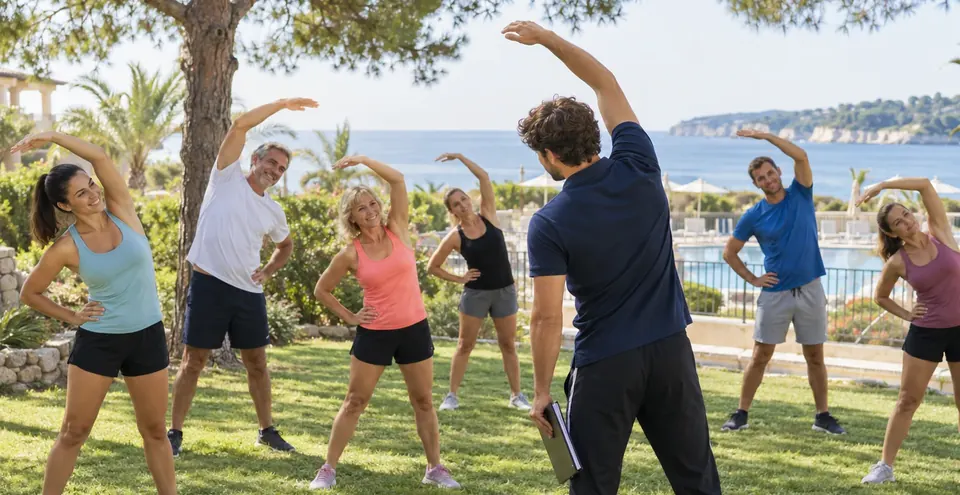
In Paraguay, seasonal holiday resort activity leader jobs appear at lakeside clubs around San Bernardino, on the river beach of Encarnacion, at estancias and farm lodges, in the national parks, and at heritage sites such as the Jesuit missions and the Itaipu visitor programme. Roles include lifeguard, swimming and sports instructor, children's holiday host, horse-riding guide, nature guide and cultural presenter. Summer is the busy season, with winter breaks in July. Spanish and Guarani, first aid and child safeguarding matter most.
This page in other languages : Español
Where leisure staff work
The Lake Ypacarai area has sports clubs, private pools, boat clubs and holiday camps that hire instructors and lifeguards between December and March. Aregua adds craft workshops, a lake promenade and a cultural calendar, and Piribebuy and Caacupe in the hills offer church visits, hiking and country fairs. Staff are mostly local and recruited through clubs and municipalities.
Encarnacion builds a summer economy around the Parana. Beach guards, kayak leaders, volleyball coaches, music hosts and event staff work on the sand and at the nearby hotels, and the Carnival parades employ dancers, costume workers and stage crews. The Jesuit ruins of Trinidad and Jesus have guides who explain the history of the missions and the Guarani culture.
Estancias in Paraguay offer rural leisure: horse riding, cattle drives, fishing, birdwatching, boat trips and meals around the fire. Nature reserves such as Ybycui National Park, with waterfalls and forest paths, and Mbaracayu in the east offer guiding for small groups. The Pantanal and the Chaco have wildlife and birds, and community tours involve local hosts.
Lake Ypacarai's calendar includes sailing races, swimming events and beach football, and clubs hire coaches, referees and lifeguards. In San Bernardino, historic hotels and private clubs host holiday programmes for the children of Asuncion families, and teachers use the summer months to run swimming and music courses. A person with a teaching qualification or a sport coaching badge finds the broadest set of options there.
Itaipu and Yacyreta, the large binational dams, offer organised visits that rely on bilingual guides, drivers and educators. Visitors travel from Brazil, Argentina and Europe to see the turbines, wildlife refuges and viewing platforms, and tourism departments recruit guides who can explain engineering and ecology in plain language. Employment is usually through the institutions or through licensed local agencies, not through casual contacts.
Nature reserves give guides unusual work. Mbaracayu Forest Reserve, managed by a local foundation, and the San Rafael reserve in Itapua protect Atlantic forest species, and the Pantanal around Bahia Negra and the Chaco's Defensores del Chaco National Park offer birdwatching and wildlife expeditions. Guides there are often community members trained by NGOs, and visiting volunteers need clear arrangements with those organisations before arrival.
Thermal and countryside resorts have grown in the central departments. Places near Aregua, Ypacarai and Altos offer pools, gardens and farm tables for weekend guests, and they hire hosts to organise quizzes, horse rides and craft sessions. These jobs often start as weekend work and, for dependable staff, grow into longer contracts that continue during the school holidays when families fill the rooms.
Skills, languages and certification
Technical roles require proof. Lifeguards need rescue qualifications and first aid, sports instructors need recognised training, and boat or kayak leaders must know safety rules. Guides in protected areas follow the tourism authority and environment ministry rules. Employers may test candidates in the water or on horseback before offering a contract.
English, Portuguese and German are valued, as visitors come from Brazil, Argentina, Europe and local German-speaking communities. A friendly voice, a clear explanation of rules and a sense of humour are as important as technical certificates when you lead groups of different ages.
Some leisure tasks involve horses and cattle. Estancias in the Chaco and in Concepcion invite visitors to ride, herd animals and eat asado, the grilled meat of the countryside, around a fire. Hosts must be competent riders and calm with animals, ensure helmets and safe saddles for guests and match horses to each rider's ability. Veterinary basics and knowledge of local plants also impress guests.
Storytelling is a valued skill. Guides at Trinidad and Jesus explain how Guarani craftsmen carved stone and built churches under Jesuit direction in the seventeenth and eighteenth centuries, and how the missions ended. The best explain this without hurry, invite questions and connect the ruins to present-day Guarani culture and music, which turns a short visit into a memorable experience.
Customer care matters as much as technique. Families who bring grandparents, toddlers and teenagers expect leaders to suit every age: gentle games for the youngest, a quiet corner for older guests and challenges for teenagers. Leaders who remember names, ask about preferences and adapt activities when it rains or a child feels unwell receive the warmest reviews and the strongest recommendations.
Safety and child protection
- Carry first-aid supplies, water and a means of communication on trips
- Watch for heat stress, sun exposure and sudden summer storms
- Respect nature, farm animals and local customs
Weather changes quickly in the heat. Summer storms bring lightning, strong wind and sudden downpours, and lakes and rivers can become dangerous within minutes. A responsible leader brings the group out of the water at the first signs of a storm, checks the forecast and cancels outdoor events when needed.
Water safety has its own details in Paraguay. Rivers such as the Parana and Paraguay have strong currents, rapids and sandbanks, and lakes like Ypacarai can be shallow near the shore yet contain muddy holes. Lifeguard posts must be staffed in summer, swimming areas marked with buoys and boat traffic separated. Visitors unfamiliar with the water should be briefed before they enter, and staff should have a rescue plan.
Heat management is another responsibility. Summer afternoons can reach the low forties in the Chaco and along the Paraguay River, so schedules for sports and walks should avoid the middle of the day, with shade, rehydration drinks and a way to cool children quickly. Leaders should know the signs of heat stroke and the number of the nearest clinic, and should keep emergency contacts for every participant in a folder.
Typical jobs and seasons
| Place | Typical job | Busy period |
|---|---|---|
| San Bernardino and Aregua | Lifeguard, sports and camp host | December to March |
| Encarnacion | Beach, event and Carnival staff | December to February |
| Estancias | Horse and nature guide | Dry and mild months |
| Jesuit missions | Cultural guide | Holidays and winter breaks |
Visitors should not feed wildlife, collect plants or leave rubbish on trails and beaches, and guides must follow park rules. Showing guests how to keep a distance from animals, protect water sources and respect farm gates teaches by example, and guests often remember such moments long after the holiday ends.
A season of holiday work can lead to related careers. Some leaders become teachers, physical education instructors, nature guides or event producers, while others use their savings to open a small business such as a kayak rental, a farm stay or a craft shop. Keeping a notebook of ideas, contacts and customer comments during the season is a practical way to prepare for those next steps.
Questions about leisure jobs
Can I work as a lifeguard in Paraguay?
Yes, if you hold recognised rescue and first-aid training and the legal right to work. Many clubs look for local lifeguards in summer, and a few accept foreigners with residence. Ask the employer about certificate recognition and carry copies translated into Spanish.
Paraguay: are there holiday camps for children?
Some clubs, schools, parishes and municipalities organise summer and winter holiday programmes with swimming, football, crafts, games and excursions. Staff are often teachers, students or experienced volunteers, and parents expect clear rules, supervision and a named adult in charge. People interested should approach the organiser early, ask about safeguarding procedures and avoid informal arrangements that lack a registered responsible person.
Paraguay: which languages help me most?
Spanish is the base, and Guarani builds friendship with rural guests and colleagues. English, Portuguese and German help with tourists and international groups. A leader who can switch language smoothly and explain safety rules to children and adults is valuable to every employer.
Where to find these jobs
- Secretaria Nacional de Turismo (SENATUR) — Government tourism authority that registers guides and tour operators, promotes lakes, rivers, estancias and Jesuit sites and sets quality rules.
- Servicio Nacional de Promocion Profesional (SNPP) — Public training service with courses in tourism services, languages and first aid that help candidates prepare for leisure posts.
- Ministerio de Trabajo, Empleo y Seguridad Social (MTESS) — Labour ministry supervising seasonal contracts, working hours and the registration of leisure staff with social security.
- Ministerio del Ambiente y Desarrollo Sostenible (MADES) — Environment ministry that manages national parks and reserves and sets rules for guides and visitors in protected areas.
Official and legal references
- International Labour Organization — United Nations agency with standards on working hours, safety and decent conditions for tourism and recreation workers.
- World Bank — International institution publishing economic data on Paraguay that explain tourism demand and the setting for resort employment.