Namibia: seasonal hotel and restaurant employment opportunities in lodges, guesthouses and coastal restaurants
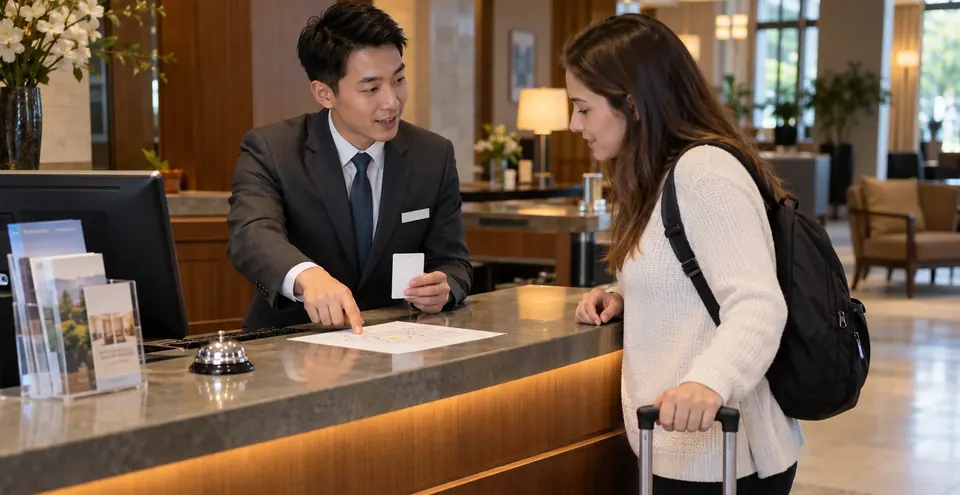
Namibia has a dependable tourism sector, and seasonal hotel and restaurant jobs are found in lodges, guesthouses and coastal restaurants. Windhoek, in the central Khomas region, is the main entry point, with business hotels, conference venues and restaurants serving game meat, seafood and German-style bakery products. Visitors then spread to Etosha National Park and other regions, creating posts for waiters, cooks, receptionists and housekeepers. Languages, tips and daily conditions vary by employer, so jobseekers should confirm housing and hiring periods early.
Hotel and restaurant jobs in Namibia: where guests arrive and where staff are needed
Windhoek, in the central Khomas region, is the main entry point, with business hotels, conference venues and restaurants serving game meat, seafood and German-style bakery products. Visitors then spread to Etosha National Park, where Namibia Wildlife Resorts runs camps at Okaukuejo, Halali and Namutoni and private lodges line the park boundary. Further south, the Sossusvlei area has desert lodges and campsites, while the Fish River Canyon and Luderitz attract smaller numbers of travellers.
The Erongo coast is the other major hub. Swakopmund, with its colonial buildings, cafes and beer halls, and Walvis Bay, with its lagoon and flamingos, hold dozens of guesthouses, hotels and restaurants. In the north-east, Katima Mulilo and the river lodges of the Zambezi and Kavango regions serve anglers and wildlife lovers. Each cluster has a distinct high season, so a worker who understands the pattern can move from one area to another over the year.
City venues offer more stable shifts and public transport, while remote lodges provide full board but long days and isolation. Weekends and public holidays are the busiest times in towns, whereas bush lodges run to the rhythm of game drives, with early-morning breakfasts and late sundowner services. Knowing which type of workplace suits you matters before applying, because a bush contract usually means weeks without leaving the property.
Jobs on offer and what they involve
Waiters and waitresses serve breakfast, lunch and dinner, handle bills and describe dishes, often with game steak, kudu, oryx, fresh fish and oysters on the menu. Cooks and kitchen assistants prepare mise en place, grill, bake and keep hygiene standards, while dishwashers and kitchen porters keep the pass running. Housekeepers clean rooms, change linen and restock supplies, and receptionists manage bookings, check-in, transfers and tour sales, usually on rotating shifts.
Bartenders make cocktails and pour local beer, wine and spirits, and must follow licensing rules, including age checks. Lodge staff may also double as drivers who collect guests from airstrips, laundry attendants or maintenance helpers. Because lodges are small, versatility is prized: a cook who can also help at the bar or a waiter who understands game drive schedules is more employable than someone who can do only one task.
Guest expectations are high because many visitors travel a long way and spend considerable sums. Staff are expected to explain local dishes, respect dietary needs, and stay calm when a power cut, a water shortage or a late flight disrupts service. Cultural awareness counts as well: greeting guests warmly, speaking clearly and showing pride in local food and traditions makes a visible difference to reviews and, in turn, to tips and renewed contracts.
Training helps. The Namibia Training Authority and the hospitality department of the Namibia University of Science and Technology prepare students for hotel work, and the Hospitality Association of Namibia promotes standards. Employers value food-safety knowledge, a clean presentation, punctuality and the ability to stay polite after a long shift. Experience in a busy cafe or guesthouse is often enough for an entry-level seasonal contract.
| Job | Typical place | Main season |
|---|---|---|
| Waiter or waitress | Swakopmund restaurants, Windhoek hotels, Etosha lodges | May to October and December to January |
| Kitchen assistant or cook | Lodges, guesthouses, hotel kitchens | May to October |
| Housekeeper | Safari lodges, coastal guesthouses | Dry season and holiday weeks |
| Receptionist or booking clerk | Windhoek hotels, Walvis Bay, Sossusvlei lodges | Year-round with dry-season peak |
| Barman or barwoman | Beach cafes, lodge bars, Windhoek venues | December to January and weekends |
Languages, tips and daily conditions
English is the official language and the working language of most hotels, with Afrikaans, German, Oshiwambo, Otjiherero, Nama and other national languages heard daily. German is a strong asset in Swakopmund and at lodges that receive many German-speaking guests, and some knowledge of French or Portuguese can help. Clear spoken English, a friendly manner and basic numeracy are the main requirements for front-of-house roles.
Pay is set by the employer within the legal minimum standards and sector agreements, so the amount should be confirmed in the contract and checked with the labour ministry if unclear. Tips are customary in restaurants and at lodges, often pooled and shared among staff, but they are a bonus, not a guaranteed wage. Ask whether a service charge is added to bills and how it is distributed.
Hours can be long during peak weeks, and split shifts occur when breakfast and dinner are far apart. The Labour Act requires rest periods, overtime pay or time off, and limits on night work for young workers. Uniforms, meals and laundry may be provided or charged, so read the contract carefully and keep a record of hours worked in case of later disputes.
Health and safety are taken seriously in kitchens and lodges. Workers should receive instruction on food hygiene, fire safety and the handling of cleaning products, and remote lodges should have a first-aid kit and a plan for emergencies, since the nearest clinic may be far away. Reporting unsafe conditions to a supervisor, and if necessary to a labour inspector, is a worker's right and does not justify dismissal.
Housing, hiring periods and getting started for seasonal hospitality work
At bush lodges, staff typically live in a village or staff quarters on the property, sharing rooms and eating in a staff canteen. In towns, employers may provide a bed or leave workers to rent privately, which can be costly in Swakopmund around the summer holidays. Before accepting, ask about room sharing, water and electricity, laundry facilities, and transport to the nearest shop or clinic.
Recruitment for the dry season often happens between February and April, while coastal businesses look for staff in October and November ahead of the holidays. Applications go directly to hotels, lodge groups and restaurants, or through agencies in Windhoek and Walvis Bay. Some establishments keep a list of reliable former employees and call them back each year, so a good first season can lead to permanent offers.
Foreigners should not start work on a visitor visa. The employer normally has to apply for a work permit with the Ministry of Home Affairs, Immigration, Safety and Security, which assesses whether a Namibian could do the job. Plan ahead, hold on to copies of approvals, and be wary of anyone who asks for a fee in exchange for a guaranteed post.
Practical questions from hospitality job-seekers
Do lodges provide meals and rooms?
Many remote lodges do, because there is no alternative nearby. Deductions, if any, should be written into the contract. Staff villages differ in quality, so ask for details about shared bathrooms, cooking facilities and rules on visitors before signing and before paying for any journey.
Is experience necessary for entry-level posts?
Not always. Dishwashing, housekeeping and kitchen help roles are often open to beginners who are reliable and willing to learn, and many lodges train newcomers on site. Waiting and reception work usually asks for some previous experience, good English and a presentable appearance.
Can a short contract become permanent?
It can. Employers who value a dependable seasonal worker may extend the contract, offer a year-round post or invite the person back for the next dry season. Keeping a good reference, arriving on time and respecting house rules are the best ways to earn that offer.
Where to find these jobs
- Hospitality Association of Namibia — Industry body representing hotels, lodges and restaurants, promoting service standards and training in the tourism sector.
- Namibia Wildlife Resorts — State-owned operator of rest camps and resorts in national parks such as Etosha, Sossusvlei and Fish River Canyon.
- Namibia Training Authority — Public body that accredits vocational training providers, including hospitality and catering courses for young jobseekers.
- Federation of Namibian Tourism Associations — Umbrella organisation uniting tourism trade associations to speak for lodges, guides, transport and accommodation businesses.
Official and legal references
- Namibia Tourism Board — National tourism authority describing destinations, accommodation categories and the industry that employs seasonal hospitality staff.