Peru: seasonal holiday resort activity leader jobs in beach hotels, lodges and adventure camps
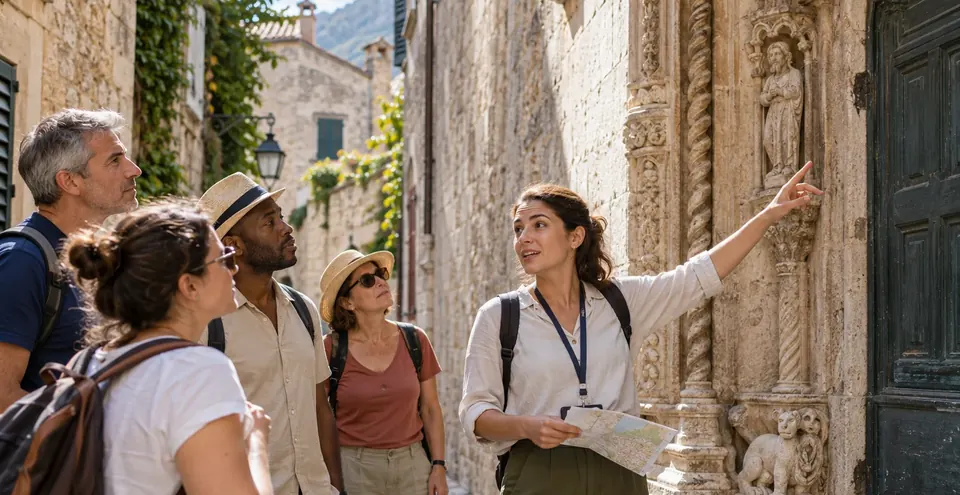
Throughout Peru, seasonal holiday resort activity leader jobs involve organising games, sports, nature walks and evening shows for guests of beach hotels, country clubs, lodges and adventure operators. The market is smaller than in all-inclusive destinations, because most Peruvian tourism is built around sightseeing and food rather than animated clubs, but opportunities exist in summer coastal resorts, children's holiday programmes and eco-lodges. Employers prefer Spanish speakers with first aid training, sports skills and patience, and they apply strict rules to guides and to contact with minors.
This page in other languages : Español
Where activity leaders are hired
The summer coast is the first source of work. Beach resorts and condominium clubs south of Lima, in places such as Asia, Punta Hermosa and Cañete, offer children's clubs, swimming sessions and sports tournaments for families on holiday from December to March. In the north, Punta Sal, Máncora and Vichayito add yoga, surf lessons and evening events for visitors.
Paracas and Ica form another cluster. Hotels near the Paracas National Reserve organise cycling, kayaking and bird-watching, boat trips to the Ballestas Islands are staffed by guides and deckhands, and in Huacachina dune buggies and sandboarding need instructors with safety training. These activities are often seasonal, with more demand in the warm months and at long weekends.
In the Andes and the Amazon the work takes a different form. Lodges in the Sacred Valley run horseback rides, cooking classes and village visits, while jungle lodges around Tambopata and Manu employ naturalist guides who lead walks, canoe trips and night excursions. River cruises on the Amazon and its tributaries near Iquitos also use guides and activity staff.
| Setting | Typical activities | Common profile |
|---|---|---|
| Beach clubs near Lima | Children's games, swimming, tournaments | Sports students, teachers, coaches |
| Máncora and Punta Sal | Surf lessons, yoga, evening events | Instructors with languages |
| Paracas, Ica | Kayaking, sandboarding, boat excursions | Certified guides, boat crews |
| Amazon lodges and cruises | Walks, canoe trips, wildlife talks | Naturalist guides, rangers |
Qualifications, languages and legal rules
Some positions need formal accreditation. Tour guides must be officially registered, and adventure activities such as rafting, canopy lines, climbing and paragliding fall under safety rules set by the tourism authority, with operators required to use trained and certified staff. Protected areas, including Paracas and Tambopata, have their own regulations managed by the national protected areas agency.
General activity leader roles in hotels and clubs are less regulated, yet employers ask for relevant skills: lifeguard or swimming instructor certificates, first aid and resuscitation, football or volleyball coaching, drama, dance, crafts or music. A teaching background and a clear police record are advantages when working with children, and a CV with photographs of past events helps.
Training can be built step by step. A season as a helper in a children's club leads to a coordinator post, a lifeguard certificate opens the way to pool and beach work, and a mountain or river guide course, followed by experience under a senior guide, leads to better lodges. Peruvian tourism schools and the Red Cross offer short courses that are accepted by many hotels.
Languages shape the job. Spanish is essential for everyday contact with families and colleagues. English is appreciated in lodges, adventure agencies and international hotel chains, and German, French or Portuguese can set a candidate apart in guiding. Community tourism projects in Quechua-speaking areas benefit from workers who respect local languages and customs.
Working with children and guest safety
Peruvian law places the best interests of the child at the centre, and the code on children and adolescents sets duties for adults who supervise them. Reputable hotels run background checks, keep attendance lists, supervise swimming with lifeguards and avoid one-to-one situations. Activity leaders should know emergency procedures, the location of the nearest clinic and the rules for medication and allergies.
Practical safety is part of every day. Sun at the beach and altitude in the mountains can harm children quickly, so leaders must adapt games to heat, hydration and breaks. On the water, life jackets are compulsory for boat excursions, and on trails group leaders count participants at the start and the end. Communication tools such as radios are useful where mobile coverage is poor.
Responsibility also extends to the environment. Visitors in Paracas, Tambopata and Manu are told not to feed animals, not to leave rubbish and not to approach nesting birds or sea lions. A leader who explains these rules with enthusiasm gives guests a better experience and protects the reserves that make the activity possible. Before every outing the leader should also check weather, tides or river levels, since the Pacific can have strong swells and Andean storms build in the afternoon.
Behaviour also counts. Staff are expected to remain friendly but professional with guests, avoid alcohol while on duty and handle photographs of minors with care, asking for parents' permission before sharing images. Complaints about safety or conduct should go to the manager first and then, if needed, to the tourism authority or the police.
Seasons, pay and finding the job
Employment follows the holiday rhythm. Coastal resorts recruit in November and December for the summer, adventure operators in the Andes prepare in April and May for the dry season, and jungle lodges adjust to the river levels. Easter, the July national holidays and the Christmas weeks bring short but intense peaks, often with extra hires for children's programmes.
Pay is a mix of a base wage, sometimes meals and a staff room, and tips from guests, especially for guides. The legal minimum wage is the floor, and its present level is best checked with the labour ministry. Remote lodges often offer rotations, such as several weeks on site followed by days off, which allows low spending but limits private life.
To find openings, apply directly to hotels, clubs and tour operators, use the public employment exchange, ask tourism schools such as CENFOTUR about internships and visit agencies in Cusco, Arequipa or Puerto Maldonado. Foreigners should confirm their right to work, because activity leaders are visible to inspectors, and unpaid trial weeks without a contract are a red flag.
A realistic plan includes rest. Activity work means long days on your feet, early starts and little privacy in staff housing, and fatigue is the main cause of mistakes in safety. Employers who respect rest days, provide drinking water and offer first aid kits tend to be the ones whose staff return the next season, and returning is how most workers move up. Clubs near Lima often hire university students for the summer, so applicants with a sports or education degree can present it as proof of aptitude.
Frequently asked questions
Are there all-inclusive animation clubs in Peru?
Peru does not have the large all-inclusive club model found in some sun destinations. Instead, activities are organised by individual beach hotels, country clubs, lodges and adventure operators. Jobs therefore look more like guiding, instructing or running children's programmes than performing nightly shows, and teams are usually small, so personal references matter a great deal.
Peru: do I need a licence to guide visitors?
Guiding tourists at heritage sites and on structured tours generally requires official accreditation as a tour guide, and adventure activities require trained staff under tourism regulations. Hotel entertainers who only run games and sports do not need the same licence, but they should hold relevant certificates. Ask the employer which documents are mandatory before you travel.
Is a police certificate required for working with children?
Many hotels and clubs ask for a certificate of criminal and police records from applicants who will supervise minors, and some request references from previous youth work. Even where the law is not explicit, it is common practice and protects both children and staff. Foreign applicants should bring records from their home country and expect translation requests.
Where to find these jobs
- CENFOTUR — National tourism training centre that provides courses and practical training for guiding, hospitality and tourism services.
- MINCETUR — Ministry of Foreign Trade and Tourism that regulates adventure tourism, guide accreditation and tourism safety.
- SERNANP — National protected areas service that manages reserves such as Paracas and Tambopata and regulates activities inside them.
- Peruvian Red Cross — Humanitarian organisation that offers first aid and rescue training useful for activity leaders and guides.
Official and legal references
- PromPerú Peru Travel — Official tourism promotion portal with information on activities, destinations and seasons in English.
- International Labour Organization — UN agency that publishes guidance on decent work in tourism and on the protection of young people at work.