Peru: seasonal fruit and vegetable picking jobs in Ica, La Libertad, Piura and the highlands
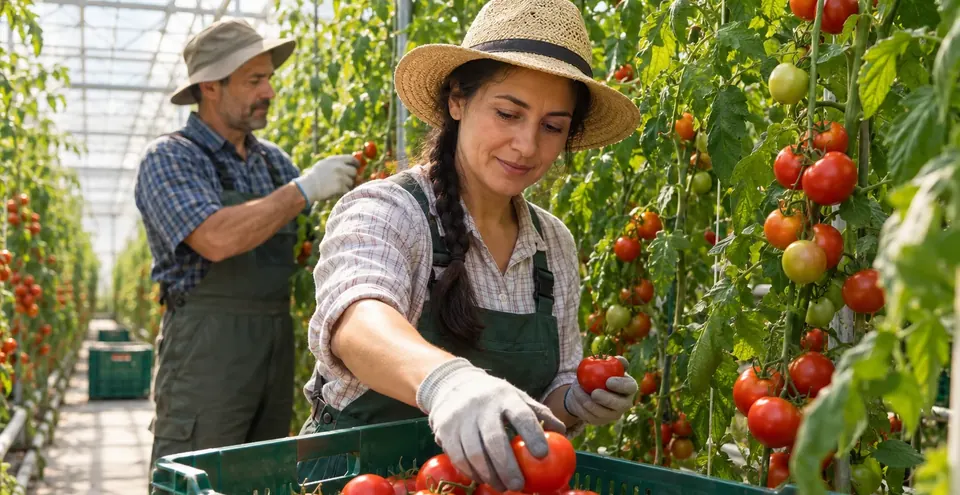
Peru has productive coastal valleys, so seasonal fruit and vegetable picking is found in Ica, La Libertad, Piura and the highlands. The coastal desert becomes productive thanks to irrigation projects, and in the Ica valley, around Ica, Chincha and Pisco, farms grow grapes, asparagus, avocados, artichokes and citrus. Pickers work at a set pace with physical demands, and contracts, pay and housing vary by company. Health, protection and the legal framework are important parts of the picture. Newcomers should confirm payment terms before signing any agreement.
Fruit and vegetable picking in Peru: what is harvested, where and when
The coastal desert becomes productive thanks to irrigation projects. In the Ica valley, around Ica, Chincha and Pisco, farms grow grapes, asparagus, avocados, artichokes and citrus, with the grape harvest concentrated in the summer months from about December to March. La Libertad, with the Chavimochic and Virú areas, concentrates asparagus, blueberries and avocados, and the blueberry pickers work mainly in the later months of the year.
In the north, the Piura region around Sullana, Chulucanas and Tambogrande produces mangoes, limes and organic bananas, and the mango harvest runs roughly from late spring to early autumn of the southern hemisphere. Lambayeque and Cajamarca add rice, sugar cane and blueberries. Near Lima, Huaral and Cañete supply mandarins, strawberries and vegetables to city markets, with mandarin picking taking place in the cooler months.
The highlands and jungle edge follow other calendars. Coffee is picked from about April to September in Cajamarca, Amazonas, San Martín, Junín and the Cusco valley of La Convención, while cocoa is harvested in San Martín and the Amazon edge in several rounds. In the Andes, potatoes and quinoa are harvested after the rains, often by families and community work teams called faenas rather than by hired crews.
| Crop | Main regions | Typical picking season |
|---|---|---|
| Table grapes | Ica, Piura | Late spring to early autumn |
| Asparagus | La Libertad, Ica | Long season with cutting through most of the year |
| Blueberries | La Libertad, Lambayeque | Second half of the year |
| Mango | Piura, Lambayeque | Summer months |
| Coffee | Junín, Cajamarca, Cusco, San Martín | April to September |
Tasks, pace and physical demands
Picking jobs are tougher than they look. Asparagus is cut by hand with a knife while bending, and crews walk along rows under sun and wind that blow sand in the desert. Grape pickers cut bunches and place them in crates, working under pergolas where air hardly circulates. Blueberry work needs gentle fingers and speed, because the quality standards of foreign buyers are strict.
Packhouse jobs are also common and attract many women. Workers sort, weigh, label and pack fruit on conveyor lines, wearing hair nets, gloves and aprons, in cold rooms or warm halls depending on the product. Shifts can run late when ships or flights are waiting, and overtime is part of peak weeks. Drivers, forklift operators and irrigation technicians form a smaller skilled group.
Coffee harvesting takes place on steep slopes at altitude. Pickers carry baskets tied at the waist, choose only ripe red cherries and return to the same trees several times. The work depends on family labour and migrants, and many farms are small. Rain, mud, insects and long walks to the plots are the main hardships, so boots and waterproof clothing are essential. Coffee cooperatives in the central jungle also organise collection, drying and sale, and a few offer visits for people interested in how the harvest is organised.
Timing inside a day matters as well. Picking starts early to avoid the strongest sun, breaks are short, and the afternoon is often reserved for weighing, loading trucks and cleaning. Anyone arriving from a cooler country should expect to drink several litres of water, and to feel tired for the first week while the body adapts.
Pay, contracts and housing for seasonal harvest work
Daily wages are the usual method on export farms, with a bonus or piece rate for production in some crops, such as a payment per crate of grapes or per kilo of berries. The legal minimum applies, and farms must record hours and pay in a register. A written contract with the harvest dates is the key document, since it links the worker to insurance and to the right to claim unpaid sums.
Many workers are hired through labour contractors who bring crews from highland villages to the coast. This can be legitimate, but it is also where abuses appear, such as hidden deductions for transport or food, unpaid days or retained identity papers. Ask who the real employer is, who pays and who holds the insurance, and refuse to hand over documents.
Housing varies. Large farms may provide shared camps near the fields, while workers in Ica, Virú, Chao, Olmos or Sullana often rent rooms in towns and take buses or vans to the fields at dawn. Inspect the room, ask about water and electricity and agree in advance whether any cost will be deducted from pay.
Payment dates matter as much as the rate. Most farms pay weekly or fortnightly, often by bank transfer or at a company cashier, and a worker should receive a slip that shows days worked, kilos or crates and any discount. Keep a personal notebook of days as well, since disagreements about the count are the most frequent source of complaints in harvest towns.
Health, protection and legal framework for seasonal picking jobs in Peru
Farm work involves heat, dust, pesticides and repetitive strain. Employers should provide clean drinking water, shade, toilets, protective gloves and training on chemical handling, and the agricultural health service SENASA and the labour inspectorate SUNAFIL supervise parts of this. Workers should read the label of the products that they handle and report skin irritation or headaches to a supervisor.
Agricultural employers may operate under a special agrarian labour regime, with its own rules on pay, bonuses and holidays, and the details have changed over time. Because of this, ask in writing which regime applies and what benefits it includes, and confirm with the labour ministry if the answer sounds vague. Seasonal contracts are lawful when work genuinely recurs.
Children and adolescents must not do hazardous farm tasks such as spraying chemicals, using sharp machetes in a heavy workload or night work. Family farms in the Andes sometimes involve children during the potato harvest, but commercial employers have the legal duty to refuse underage workers. Women should ask about maternity protection and safe transport.
- Wear a hat, long sleeves and sun protection.
- Carry water and a lunch for long fields.
- Keep your original documents with you.
- Photograph the contract and pay slips.
Frequently asked questions
Which month is best for picking work in Peru?
There is no single best month because crops overlap. For grapes and mangoes, aim for the summer months; for coffee, the middle of the year; for blueberries and asparagus, the second half. A worker who reads the regional calendar and moves from one valley to another can find tasks in most months, although travel costs and a break between contracts are part of the plan.
How much does a picker earn?
The amount depends on the crop, the farm and the system of pay, and the legal minimum wage, which the government updates, is the floor. Because figures change, ask the employer for the daily rate or the piece rate in writing, and check the legal minimum with the labour ministry. Compare the offer with the cost of lodging and transport before accepting.
Can tourists pick fruit for pocket money?
Not legally. Entry as a tourist does not authorise paid work, and farms under audit by export buyers are careful to check documents. Informal work exists on small family plots, but it leaves the worker without insurance or protection, so it is a risk rather than a shortcut. If you want farm experience, ask about regulated volunteering or study programmes.
Where to find these jobs
- Ministry of Agrarian Development and Irrigation — National ministry that guides agriculture policy and supports producers, irrigation schemes and farming regions.
- SENASA — National agricultural health service that oversees plant health, pesticide use and food safety on farms.
- SUNAFIL — National labour inspection authority that checks pay, safety and contracts on agricultural enterprises.
- Ministry of Labour and Employment Promotion — Government body that provides employment services and information on seasonal contracts and wages.
Official and legal references
- Food and Agriculture Organization — UN agency that publishes information on farming systems, crops and rural employment conditions worldwide.
- International Labour Organization — UN agency that sets and explains standards on agricultural work, wages and the protection of rural workers.