Burundi: seasonal holiday resort activity leader jobs, guides and youth camps
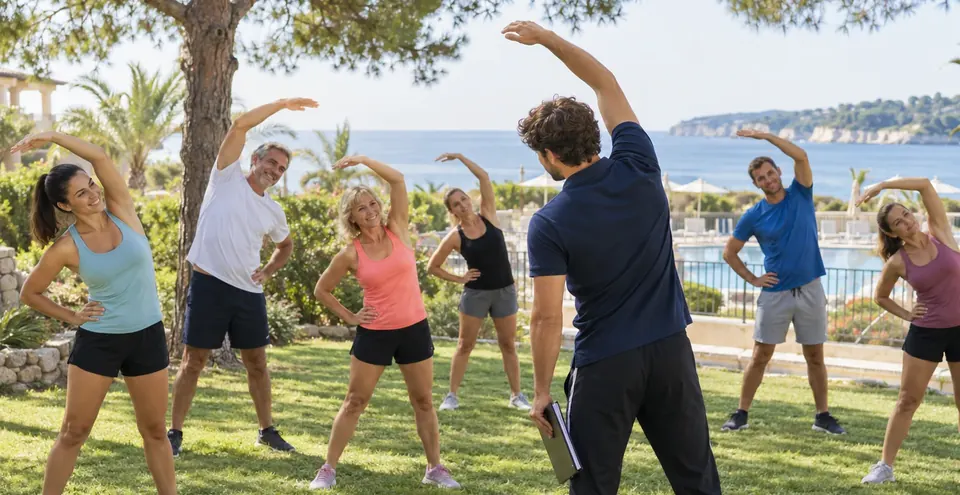
Within Burundi, seasonal holiday resort activity leader jobs are limited because the country has few large holiday clubs, yet beach hotels, lodges, schools and youth organisations still hire people to run games, sport, excursions and cultural evenings. An activity leader or guide may organise swimming sessions on Lake Tanganyika, drumming and dance shows, hikes in Kibira forest or birdwatching trips to the Rusizi delta. Work is usually short, local and informal, and good French, Kirundi and some English matter. Child protection and first aid skills are strongly expected.
This page in other languages : Français
What the profession looks like locally
Unlike coastal countries with large all-inclusive clubs, Burundi has no established network of holiday villages with entertainment teams. Animation here is smaller and more organic. A hotel on the lakeshore near Bujumbura may employ someone to organise volleyball, kayak outings or a barbecue evening, while a school holiday programme, a church group or a youth association may hire monitors for a few weeks.
Cultural performance is an important part of the offer. The royal drummers of Gishora, near Gitega, are famous for their ritual drumming and dance, and troupes perform at ceremonies, hotels and festivals. Storytellers, musicians, dancers and craftspeople who teach visitors basic steps or basket weaving can find short engagements, especially when tour groups or diaspora families come for celebrations.
Guiding is the most structured activity. Local guides lead walks in Kibira National Park and in Ruvubu National Park, take visitors to the Source of the Nile in Bururi province and organise boat trips to see birds and hippopotamus in the Rusizi National Park. These jobs are mainly filled by people from nearby communities who know the terrain, the wildlife and the language.
The country's youth sector is vibrant and a natural source of leadership roles. Scouts, church youth groups, university clubs and sport federations organise camps, tournaments and community projects, particularly during school breaks. People with experience in coaching football, volleyball, basketball or athletics can propose themselves as monitors, and a record of reliability counts for more than a diploma.
Regular training sessions are available in some places. Red Cross volunteers teach first aid, sports federations run coaching courses, and tourism programmes train guides in nature interpretation and visitor care. Attending such courses, even when they are short, adds credibility to an application and can lead directly to a supervised first assignment during the next holiday period.
Settings that hire leaders and guides
Lakeside hotels and beach clubs around Bujumbura, Saga and Rumonge are the likeliest employers during dry months and year-end holidays. They need people to lead water games, supervise children, run quiz evenings and welcome groups on excursions. Conference hotels also look for coordinators who can manage coffee breaks, team-building sessions and cultural evenings for visiting delegations.
| Setting | Typical activity | Best period |
|---|---|---|
| Lake Tanganyika beach hotels | Swimming, volleyball, boat outings, evening shows | Dry months and year-end holidays |
| Kibira and Ruvubu parks | Guided walks, wildlife and bird watching | Dry season, June to August |
| Gishora and Gitega region | Drumming and cultural visits | Dry months and festivals |
| Schools and youth groups | Holiday clubs, sports and workshops | School breaks |
Voluntary and church-based programmes, as well as non-governmental organisations, sometimes run holiday clubs for children and teenagers, with sport, theatre and reading sessions. These roles may be unpaid or paid with a small allowance, so it is worth asking early whether lodging, meals and transport are covered and who provides insurance.
Cultural tourism is gradually attracting attention. The Gitega national museum, the royal drum sanctuary at Gishora, craft markets and village visits show visitors a living tradition, and guides who can narrate history in clear, courteous English or French are sought after. Training in storytelling, local history and visitor etiquette can turn a talented person into a trusted ambassador for the destination.
Seasonality is clearest in the dry months and at the end of the year. A group of delegates arriving for a conference, a wedding party at a lakeside hotel or a school excursion to the national museum can each create one or two days of paid work for leaders, musicians and guides. Keeping a phone reachable and answering quickly is a practical way to be hired again.
Skills, languages and safety
The core qualities are energy, patience and organisation. A leader should know the rules of popular games and sports, be able to swim well and perform basic life-saving gestures, and have recognised first-aid training where possible. Lake Tanganyika can have strong currents and sudden weather changes, so water activities need clear boundaries, flotation aids for children and a supervisor who knows the shore.
Kirundi is essential for working with local children and communities, French is the usual language for hotel guests and schools, and English is a growing advantage with visitors from across the East African Community. Swahili can help along the lake. Good guides also learn the names of birds, trees and primates and the local history behind each stop, because that knowledge is what visitors value.
- Protect minors at all times: never be alone with a child, always work in pairs and respect parental consent.
- Hold a first-aid certificate and know the nearest clinic or hospital.
- Check insurance for yourself and for participants before any water or trekking activity.
Wildlife and nature activities require specific knowledge. Kibira holds montane forest with chimpanzees and many bird species, Ruvubu protects savanna and riverine habitats where hippopotamus and crocodiles live, and the Rusizi delta is known for birds and reeds. Guides must understand animal behaviour, keep a safe distance, follow park rules and report incidents, so formal training is a considerable advantage.
Responsible conduct is part of the job. Leaders should avoid feeding wildlife, discourage littering, respect the privacy of villagers who are photographed, and never promise visitors experiences that cannot be delivered safely. Clear briefings before each excursion, a headcount at every stop and a calm manner during incidents are the marks of a professional.
Working legally and finding openings
Foreigners need a work authorisation even for short animation or guiding assignments, and volunteers should be attached to a recognised organisation. Pay is rarely published; it depends on the employer and may include accommodation and meals. Local guides' associations and park authorities can explain what training or licences are needed to lead groups in protected areas.
Start by contacting hotel managers, school directors and youth associations directly, bringing references and a short description of the activities you can run. Show a few ideas for sport, games and cultural evenings that fit the local context, and be prepared to start with small tasks. Be cautious of recruiters who promise club jobs abroad in exchange for fees.
Salary for these roles is rarely uniform. Some hotels pay a modest monthly amount with meals, some groups pay per excursion, and some volunteer programmes provide only lodging. Compare the total package, including transport, insurance and training, rather than the headline figure, and keep a written record of what was agreed with the employer.
Answers for new applicants
Are there holiday clubs in Burundi?
Not in the large all-inclusive style found elsewhere. Activities are organised by individual hotels, schools, associations and tour operators, so jobs are small, local and often temporary.
Do I need a qualification to guide visitors?
Guiding in national parks usually involves training or approval from the park authorities, while hotel animation is less formal. First aid, swimming ability and knowledge of the area are always valuable.
Which languages are most useful?
Kirundi and French come first, followed by English. Swahili helps near Bujumbura and the lake, and a few words of other regional languages can charm visiting groups.
Where to find these jobs
- Office National du Tourisme du Burundi — Official tourism body promoting parks, beaches and cultural sites and able to direct applicants to guiding and hospitality employers.
- Institut National pour l'Environnement et la Conservation de la Nature — Public agency managing Burundi's national parks and reserves, where local guides and rangers are trained and engaged.
- Gishora drummers and cultural troupes — Traditional drum and dance ensembles based near Gitega that perform for visitors and train young artists in ceremonial rhythms.
Official and legal references
- UN Tourism — United Nations specialised agency offering guidance on tourism standards, guide training and sustainable destination development worldwide.
- International Labour Organization — United Nations agency publishing labour standards and guidance on child protection and decent work applicable in Burundi.