Burundi: seasonal hotel and restaurant employment opportunities for local and foreign staff
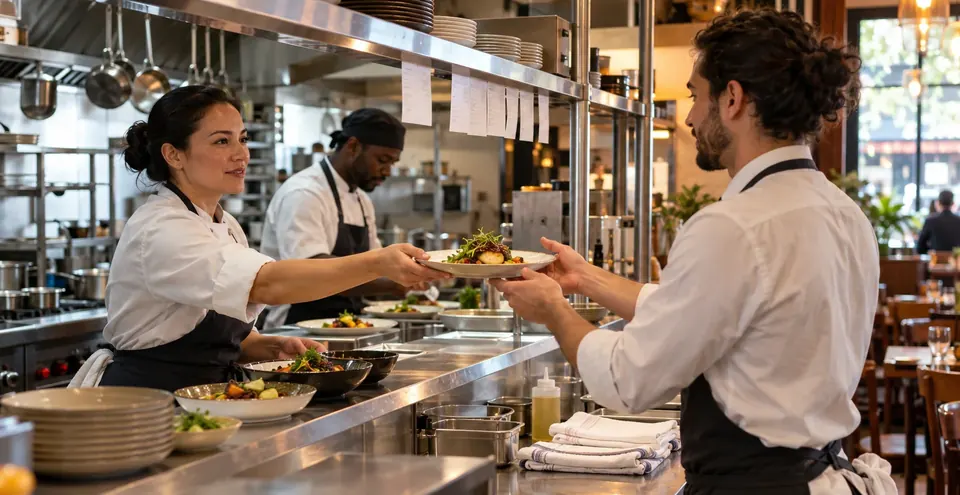
Across Burundi, seasonal hotel and restaurant employment opportunities cover the extra waiters, cooks, dishwashers, room attendants and receptionists taken on when guests arrive in larger numbers. The sector is modest in size and concentrated in Bujumbura, with smaller clusters in Gitega, Ngozi and along the shore of Lake Tanganyika. Demand rises with conferences, weddings, diaspora visits and the dry months, then falls back. Employers prefer people who already live nearby and speak Kirundi and French, so foreign candidates should expect strict authorisation rules and limited, mostly informal hiring.
This page in other languages : Français
Where hotels and restaurants are found
Hospitality in Burundi is centred on Bujumbura, where international hotels, business guesthouses, lakefront restaurants and bars serve embassy staff, aid workers, travellers and local families. The Rohero and Kiriri districts, the city centre and the beach strip toward Saga and Gatumba hold most of the larger establishments. Because Bujumbura hosts offices of regional organisations and many workshops, rooms and conference halls stay in demand through much of the year.
Gitega, now the political capital, is gradually developing guesthouses and restaurants for officials and visitors to its national museum. In the north, Ngozi and Kayanza host traders and coffee buyers. South of the capital, Rumonge and Nyanza-Lac on Lake Tanganyika offer simple beach hotels and fish restaurants, and in Bururi province lodges near the Source of the Nile and the Bururi forest welcome small groups of curious travellers.
Outside these places, hospitality is mainly small: roadside eateries, local bars known for grilled brochettes, banana beer and Primus, and family-run lodgings. These businesses hire relatives and neighbours first, which is why seasonal hospitality work seldom reaches the open market. Networking through a trusted contact usually matters more than a polished application.
Seasonality in hospitality is irregular rather than strictly climatic. Hotels in Bujumbura plan staffing around international conferences, donor missions, sports tournaments and national holidays, as well as the diaspora travelling home at the end of the year. A busy fortnight can be followed by a quiet month, so managers prefer flexible staff who accept short contracts and weekend shifts without long notice.
Jobs, skills and languages
The common roles are waiter or waitress, bartender, line cook, kitchen assistant, dishwasher, housekeeper, laundry attendant, receptionist, night guard and driver. Kitchens that serve international guests ask for basic hygiene habits and the ability to prepare both local dishes, such as beans, plantains, cassava leaves, grilled fish from the lake and brochettes, and simple continental meals. Front-desk staff need tidy presentation, careful record keeping and calm manners with guests.
Language is the strongest filter. Kirundi is understood everywhere, French is the main language of business, and English is increasingly requested because of the country's membership of the East African Community and the arrival of regional visitors. Swahili is useful in Bujumbura and along the lake. A candidate who can greet, take an order and explain a menu in two or three of these languages has a real advantage.
| Role | Typical need | Common setting |
|---|---|---|
| Waiter or bartender | Extra hands at weekends, weddings and conferences | Bujumbura hotels and lakeside bars |
| Cook or kitchen assistant | Banquets and busy dry months | Hotels, caterers, guesthouses |
| Housekeeper or laundry staff | Full occupancy during meetings and visits | Hotels in Bujumbura and Gitega |
| Reception and night staff | Holiday weekends and diaspora travel periods | Larger hotels, beach resorts |
Training helps. Hotel and tourism schools in the capital teach service, cooking and reception, and graduates are commonly preferred for supervisory posts. Without formal training, a person can still begin in basic positions and learn on the job, particularly if a manager recognises reliability, punctuality and willingness to work late.
Restaurants range from lakeside terraces serving grilled fish, rice and fries to modest eateries offering beans, plantains and cassava leaves with fish or meat. Bars are important social places, and bartenders who can manage stock, handle money honestly and keep order in the evening are valued. Cleanliness, a clear understanding of food safety and respect for customers from different cultures are non-negotiable.
Hiring periods, pay and living arrangements
The best time to ask for work is just before the dry months, around May and June, and again before the end-of-year family holidays, when visitors and returning relatives increase occupancy. Conferences and workshops, however, are scheduled across the year, so a short assignment can appear at any moment. Many hotels keep a list of trusted temporary staff and call them when a large group is confirmed.
Pay is normally a monthly or daily wage, sometimes with a meal on duty. Tips from guests exist in the better hotels and bars but are rarely guaranteed, and a service charge is not always shared with the team. The statutory minimum wage and any sector agreement apply in principle, and their present level should be checked with the labour authorities and the hotel before signing.
Employer-provided lodging is unusual outside large establishments, so most workers live in rented rooms in neighbourhoods of Bujumbura and commute by shared minibus or motorcycle taxi. Anyone arriving from outside should budget time to find housing and learn the safe routes home after late shifts, since service work often ends after dark.
Cash handling and honesty are watched closely in the sector. Staff who count bills carefully, record orders accurately and report breakages promptly are the ones invited back for the next busy period. Managers often judge a trial shift by simple things such as punctuality, a clean uniform, willingness to help colleagues and politeness when guests are demanding.
Seasonal staff are often asked to learn quickly, so a short orientation matters. Good employers explain hygiene rules, fire exits, the handling of cash and the dress code on the first day, and they pair newcomers with an experienced colleague. Asking questions early and writing down instructions shows seriousness and is remembered when the next busy period approaches.
Rules for foreign candidates
A foreigner must hold the right to work before starting in a hotel or restaurant. Employers who hire without authorisation risk sanctions, and workers risk expulsion, so reputable managers ask for documents first. A realistic plan is to secure a residence status through an organisation, a family link or a business partner, and to approach hospitality as a longer-term occupation instead of a quick summer job.
Bring certificates of any hotel or cooking course, references written in French or English, and a clean, simple curriculum vitae. Agree the schedule, the weekly rest day, overtime and transport in writing, and be cautious of any recruiter who asks for an upfront fee or who cannot name the establishment where you would work.
Women and men both work in hospitality, although housekeeping and kitchen help are more often held by women and security and driving by men. Equal treatment, safe transport after night shifts and protection from harassment are issues that responsible employers address, and workers should know whom to contact in the management or labour inspection if problems arise.
Frequently asked questions
Are tips common in Burundi hotels?
Tips exist in upscale hotels and bars, especially when guests are foreign visitors, but they are not guaranteed and amounts vary. Do not count on them for your income; treat them as a modest extra.
Is accommodation provided for hotel staff?
Rarely. A few large or remote lodges may house staff, yet most employees rent their own rooms. Ask before accepting a post whether a lodging allowance, a meal or transport is offered.
Which language should I learn first?
Kirundi opens doors with colleagues and neighbours, and French is vital for contracts and guest service. English is a strong third language. Practising short phrases for greetings, orders and prices will serve you in all three.
Where to find these jobs
- Office National du Tourisme du Burundi — National body that promotes tourism, lists approved accommodation and supports the development of lodges and restaurants across the country.
- Chambre Fédérale de Commerce et d'Industrie du Burundi — Federation of businesses in Bujumbura that represents hotel owners, caterers and other service employers in discussions with the authorities.
- Hotel and tourism training schools in Bujumbura — Local institutes that teach cooking, table service and reception skills and often help graduates find placements in hotels.
Official and legal references
- East African Community tourism and trade pages — Regional organisation presenting cross-border tourism initiatives, trade rules and cooperation among member states including Burundi.
- UN Tourism — United Nations specialised agency for tourism offering guidance on responsible and sustainable tourism employment and destination development.