Saint Lucia: seasonal fruit and vegetable picking jobs on banana, mango and cocoa farms
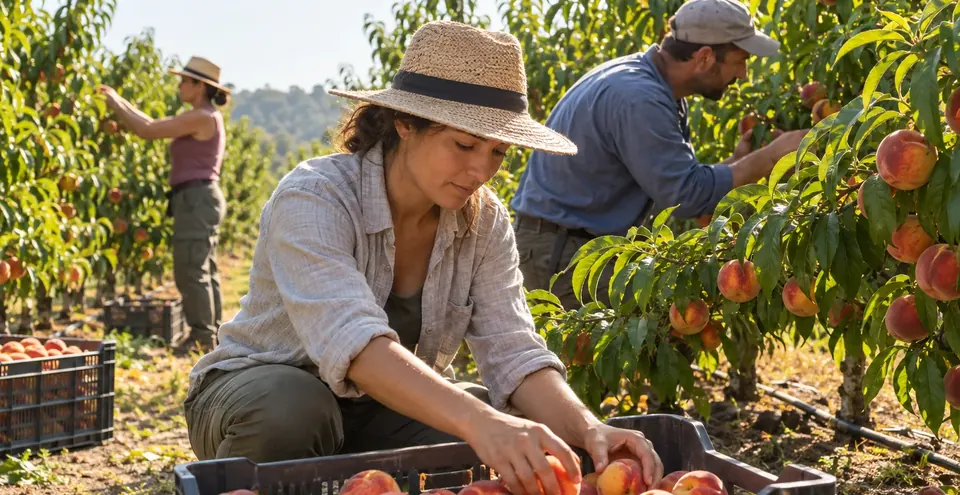
In Saint Lucia, seasonal fruit and vegetable picking jobs mean cutting bananas, gathering mangoes, splitting cocoa pods and harvesting vegetables on small and mid-sized farms spread across a mountainous island. There are no vast orchards or organised foreign harvest campaigns, so work is local, informal and tied to weather. Bananas dominate the valleys of Roseau and Mabouya, cocoa grows near Soufrière, and mangoes ripen in the early wet season. Farmhands are mostly Saint Lucians, and foreigners need a permit even for agricultural labour.
What grows where and when
Bananas are the crop most people associate with the island. Farms in the Roseau Valley, the Mabouya Valley near Dennery and around Micoud ship fruit through the year, and bunches are cut, wrapped and carried to packing sheds on a weekly cycle. Plantains, dasheen, yams and sweet potatoes grow in the same districts, and these root crops feed the local markets of Castries, Vieux Fort and Soufrière rather than any export programme.
Tree crops follow gentler calendars. Mangoes, including the much-loved Julie variety, ripen in the early part of the wet season, and breadfruit, avocados, citrus and coconuts give scattered harvests. Cocoa estates near Soufrière pick pods in waves as they ripen, then ferment and dry the beans on site, with visitor tours running alongside the work. Vegetable growers supply tomatoes, cucumbers, sweet peppers, cabbage and lettuce to hotels, often under shade houses.
| Crop | Harvest pattern | Main districts |
|---|---|---|
| Bananas | Weekly cutting through the year | Roseau Valley, Mabouya Valley, Micoud |
| Mangoes | Early wet season | Dennery, Micoud, Laborie |
| Cocoa | Pods picked in waves | Soufrière, Fond Doux area |
| Coconuts and breadfruit | Scattered through the year | Coastal villages, southern districts |
| Sweet pepper, tomato, cucumber | Short cycles under shade | Central and northern valleys |
Geography explains much of the pattern. The island is only about forty kilometres long, yet a spine of volcanic peaks drops steeply to narrow coastal plains, so farmland sits in pockets rather than broad fields. Rainfall is far heavier in the interior than on the dry northern tip, which means vegetables grow best where irrigation or shade houses exist, and tree crops thrive on the wetter slopes. A worker who knows these microclimates knows where and when to ask for work.
Tasks, pace and pay methods
Banana work is physical. Cutters use a cutlass to fell the plant and bring down the bunch, carriers haul it on their shoulders along muddy tracks, and packers wash, sort and box the fruit under a roof. Mango pickers use long poles with a basket, while cocoa pickers cut pods with a short blade and open them in the field. Heat, humidity, steep slopes and insects make the days long, and early starts help avoid midday sun.
Pay may be by the day, the task or the quantity, such as a box or a bunch, and arrangements are often verbal. That flexibility suits people who need quick cash, but it also leaves workers exposed if the farmer cancels or the weather turns. Ask to agree the rate, the payment day and the cost of any tools before starting, and note the hours in your own record to avoid later disagreement.
Hazards deserve attention. Cutlasses cause deep cuts, pesticide spraying is a real exposure on some farms, and wet slopes can lead to falls. Ask for boots, gloves, long sleeves and clean drinking water, and keep a small first-aid kit. Agricultural workers are covered by national labour standards, and anyone who has lost working days after an injury should seek advice from the Department of Labour.
Packing and processing offer work that is less strenuous than cutting. Sheds sort bananas by size and quality, remove damaged fingers and place the fruit in cartons for transport to the port. Small agro-processors make hot pepper sauce, jams, cocoa sticks, chocolate and coconut oil, and they hire for peeling, bottling and labelling during busy weeks. Standing for hours in hot rooms is tiring, but conditions are usually better than on the slopes.
Weather, hurricanes and income gaps
The Atlantic hurricane season runs from June to November, overlapping the wet months when banana plants are most vulnerable. A single storm can strip a field and leave labourers without work for months while plants regrow. Farmers sometimes employ crews immediately afterwards for clearing, replanting and repairs, which is heavy but paid work, and these jobs go first to people the owner already knows.
Because supply is irregular, many farm workers combine seasons. They might cut bananas on weekdays, pick mangoes in the weeks of heaviest fruiting, then help in a Soufrière restaurant or a Rodney Bay resort kitchen during winter. Keeping a mobile phone charged and answering calls from farmers quickly is essential, as day labour is allocated within hours, often by a foreman who selects those who have shown up before.
Weather is not the only risk. Prices paid by buyers, plant disease and competition from imported produce can reduce the number of days a farmer can afford to hire. In slow periods, farmers rely on family members first, then on neighbours, and only then on outsiders. A newcomer should therefore visit farms in person, introduce themselves politely and accept small tasks first, because trust is how daily labour is allocated.
Permits, land and organisations
Saint Lucian citizens can work freely on farms. Nationals of fellow Organisation of Eastern Caribbean States members should check the free-movement conditions that apply, and all other foreigners need a work permit requested by an employer, which is unlikely for casual harvest work. Anyone offered cash farm labour as a visitor should know that it is not legally covered and may lead to removal.
Farmers are supported by the ministry responsible for agriculture, which provides extension advice, and by groups of growers and the National Research and Development Foundation, a lender and adviser to small enterprises. For a first contact, visit a local farmers' cooperative or the agricultural office in the district. Working with a recognised farm lets you ask about insurance, safety and pay in a more structured way.
For people who wish to learn rather than simply earn, agriculture offers training. Extension officers hold workshops on pest control, composting and safe pesticide handling, and farmers who complete them often gain access to inputs and support. Cooperatives and small processors welcome apprentices who show curiosity. A season spent learning on a cocoa estate or a vegetable farm builds skills that remain useful if a worker later starts their own plot.
- Wear sturdy boots, long trousers, a hat and a light rain jacket for banana and cocoa slopes.
- Carry water, a snack and a small first-aid pack, because farms may be far from shops.
- Agree rate, payment day and tools in a message so that a record exists.
Frequently asked questions
Is there an organised foreign harvest programme in Saint Lucia?
No widely known programme brings foreign pickers to the island. Farms are small and use local labour, with family help at peak moments. Some Saint Lucians travel abroad on other countries' seasonal schemes, but that is a different matter from working at home. Any recruiter promising a guaranteed farm contract should be checked with the Department of Labour.
When is the heaviest picking period?
Bananas are cut all year, so there is no single rush. Mangoes bring intense weeks in the early wet season, while cocoa and coconut work is scattered. Hurricane recovery work, which follows a storm, can be the busiest labour period for a district, although it is unpredictable and cannot be planned.
Can a student or backpacker volunteer on a farm?
Short unpaid stays are sometimes arranged informally, but a visitor who works for food and a bed is still not authorised to take paid employment. Agree the arrangement in writing, avoid dangerous tasks without training, and check with immigration officials if you are unsure whether a planned activity counts as work.
Where to find these jobs
- Ministry responsible for Agriculture — Government ministry giving extension advice to farmers on banana, fruit and vegetable production, plant health and farm support schemes.
- National Research and Development Foundation — Saint Lucian agency that finances and advises small businesses, including small farms and agro-processors, across the island.
- Saint Lucia Chamber of Commerce, Industry and Agriculture — Business body representing farmers, processors and traders who buy and sell local produce.
- Department of Labour — Authority responsible for labour standards, wage disputes and workplace safety complaints for agricultural and other workers.
Official and legal references
- Government of Saint Lucia — Official portal with links to ministries covering agriculture, labour, immigration and public services for residents.
- OECS Commission — Regional organisation headquartered in Castries that publishes information on free movement and employment across member states.