Romania: seasonal hotel and restaurant employment opportunities for waiters, cooks, receptionists and housekeepers
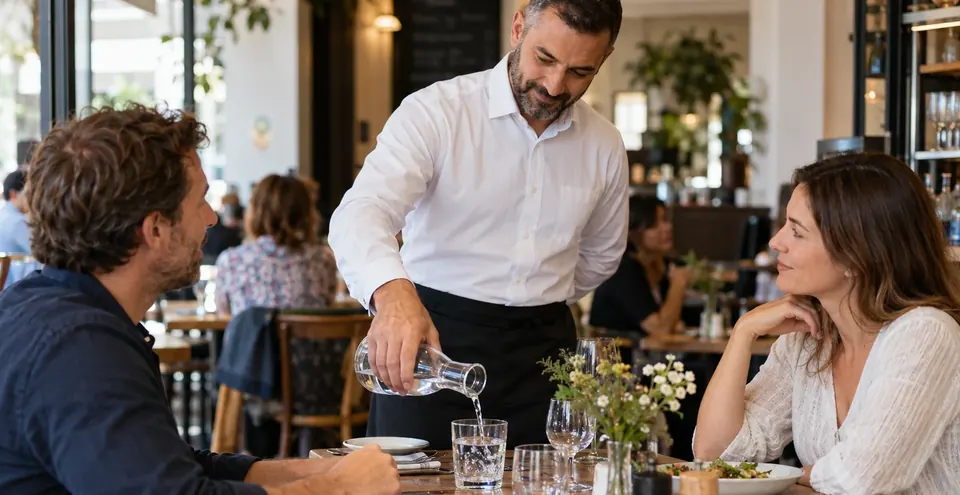
In Romania, seasonal hotel and restaurant employment opportunities rest on temporary staff hired for beach hotels from May to September, mountain chalets from December to March and spa towns that fill at weekends. Typical jobs include waiter, cook, kitchen porter, barman, receptionist and housekeeper. Contracts are normally fixed-term, and the employer should register each employee. Pay depends on the venue, the collective agreement and the tips customers leave, which are common in restaurants and bars, so a candidate should read the offer carefully and ask what is guaranteed in writing.
This page in other languages : Français
Where the hotels hire
The Black Sea coast is the biggest recruiter. Mamaia, the long sandbar north of Constanta, has dozens of hotels, beach clubs and terraces, and further south Eforie Nord, Neptun, Olimp, Saturn, Venus and Mangalia run on package holidays for Romanian families. Vama Veche and 2 Mai attract a younger, festival-minded crowd, so bars and hostels there look for energetic staff who can work late and speak some English.
Mountain resorts operate on two seasons. The Prahova Valley towns of Sinaia, Busteni and Azuga, together with Predeal, Poiana Brasov and Paltinis near Sibiu, have winter ski business and summer hiking trade. Hotels there often keep a core team all year and add extra waiters and cleaners for December, February and the long weekends of national holidays, when the road from Bucharest fills with visitors.
City hotels are steadier but still seasonal in their peaks. Bucharest, Brasov, Sibiu, Cluj-Napoca and Timisoara host conferences in spring and autumn, and festivals such as the Transylvania Film Festival, the Sibiu theatre festival and Untold bring short bursts of demand. Spa resorts including Baile Herculane, Sovata, Baile Tusnad and Baile Felix serve guests who book treatment packages, which keeps restaurant kitchens active outside the beach season.
Smaller destinations deserve attention too. In the Danube Delta, lodges around Tulcea, Murighiol and Sulina need cooks who can prepare fish soup and boat-transfer staff. In Maramures and Bucovina, rural guesthouses run by families employ a few helpers for breakfasts and evening meals, and they usually offer the warmest working atmosphere, though salaries and hours are less formal than in a large chain hotel.
Jobs, skills and languages
Entry-level posts rarely require a diploma. Kitchen porters, cleaners and housekeepers learn on the job, although a clean medical certificate and a food-handling health card are normally requested for anyone touching food. Cooks need basic experience with Romanian dishes such as sarmale, mici, ciorba and polenta with cheese, and with grills, since many beach restaurants serve large quantities of grilled meat and fish.
Front-of-house staff gain from languages. Romanian is the base, and English is expected at reception, with German appreciated in Transylvanian towns that have a Saxon heritage and French, Italian or Hungarian useful in some regions. In Mamaia and Neptun, foreign tourists from nearby countries come in the summer, so receptionists who can handle booking platforms and simple complaints are valued above those who only carry trays.
- Waiters and runners handle tables, terraces and breakfast service.
- Cooks, commis and kitchen porters prepare and clean in hot, busy kitchens.
- Barmen and baristas serve drinks at beach clubs, lounges and hotel bars.
- Receptionists and night auditors manage check-in and reservations.
- Housekeepers and laundry staff clean rooms between arrivals.
| Role | Season | Typical location |
|---|---|---|
| Waiter or runner | May to September | Mamaia, Neptun, Vama Veche |
| Ski hotel receptionist | December to March | Poiana Brasov, Predeal, Sinaia |
| Commis cook | June to September | Coastal resorts, Danube Delta lodges |
| Housekeeper | All year with peaks | Brasov, Sibiu, spa towns |
Hiring period and how to apply
Recruitment for the coast normally starts in March, while ski resorts choose their teams in October and November. Many hotels publish openings on their own pages and on social networks, and a growing number work with specialised agencies. A short CV with a photo, languages and previous roles, sent by email with a polite message, still works better than a long form, and a phone call after a week often decides the result.
Walk-in applications are accepted in smaller places, but visit in the afternoon, outside the lunch and dinner service. Bring identification, a copy of your education certificates if you have any, and the health card if the venue handles food. Managers sometimes propose a trial day, which should be paid or at least clearly explained in advance, since unpaid work for a whole shift is a sign of an employer who does not respect the rules.
Public job fairs run by the employment agency and by local chambers of commerce are held in several counties, usually in spring. Universities with tourism faculties, for example in Constanta, Brasov and Cluj, forward vacancies to students. Foreigners can also consult the European job portal. Whichever route you choose, insist on receiving the written contract before you leave your home town.
Pay, tips, housing and conditions
Wages are agreed in the contract and cannot fall below the national gross minimum wage, which the government sets and updates; check the current amount with the labour authorities. Hospitality has its own collective bargaining framework, and overtime and night work must be recognised. Some employers add meal vouchers or free meals during the shift, and many offer a staff meal, which reduces the cost of living in expensive resorts.
Tips are customary in restaurants, with guests often leaving a small percentage in cash or on the card machine. In busy coastal bars the sum can be significant, but it is not guaranteed and depends on the venue, so never accept a promise of income made only of tips. In some places tips are pooled between waiters, runners and bar staff, so ask how they are shared before signing.
Accommodation is common but variable. Large hotels in Mamaia and the ski towns provide shared staff rooms, and some deduct a part of the wages, which must be written down. Small guesthouses may offer a spare room. Working time is usually forty hours a week with rest days, although seasonal rosters can be long and split between lunch and dinner, so ask about the weekly schedule and the days off. Staff uniforms, laundry and transport to remote resorts should also be clarified, because a late shift ending after the last bus can make a cheap room far from the hotel an expensive choice.
Questions about hotel work in Romania
Do I need Romanian to work in a hotel?
Basic Romanian is a strong advantage, particularly in kitchens, in cleaning teams and in family restaurants where the staff talk to each other and to local guests all day. Reception and guest-facing roles in larger hotels can accept English or German as the main language, but you will still need to learn useful phrases for service and for dealing with suppliers.
Is it possible to find work after the summer?
Yes. When the coast closes in late September, many workers move to mountain resorts and spa towns, which open their winter teams from October to December. Hotels in Brasov, Sibiu and Bucharest also hire for the autumn conference season and for Christmas events. Moving from one season to another requires a new contract and a new application, so keep your references with you.
What documents does an employer ask for?
The employer asks for identification, a tax number and a bank account, a medical certificate confirming fitness for work and, in food service, a sanitary card or training. Foreign nationals outside the European Union also need a work authorisation and an appropriate visa. The employer must issue a written contract, so refuse any arrangement that depends on a handshake only.
Where to find these jobs
- Romanian Hotel Federation (FIHR) — Federation of hotel and restaurant operators that represents the sector, promotes training and discusses labour conditions with the authorities.
- National Agency for Employment (ANOFM) — Public employment service that lists vacancies by county, runs job fairs and registers jobseekers across Romania.
- National Association of Travel Agencies of Romania — Professional association of tourism companies that follows seasonal demand, tourism rules and the training needs of the industry.
- Labour Inspection (Inspectia Muncii) — State body that checks employment contracts, working time and undeclared work, and receives complaints from employees.
Official and legal references
- EURES European Job Mobility Portal — Official European Union portal listing vacancies and living and working conditions for people moving to Romania and other member states.
- Romania Tourism — Official English-language tourism portal presenting Romanian regions, resorts, seasons and travel information useful for planning a stay.