Jamaica: seasonal holiday resort activity leader jobs in entertainment, water sports and tours
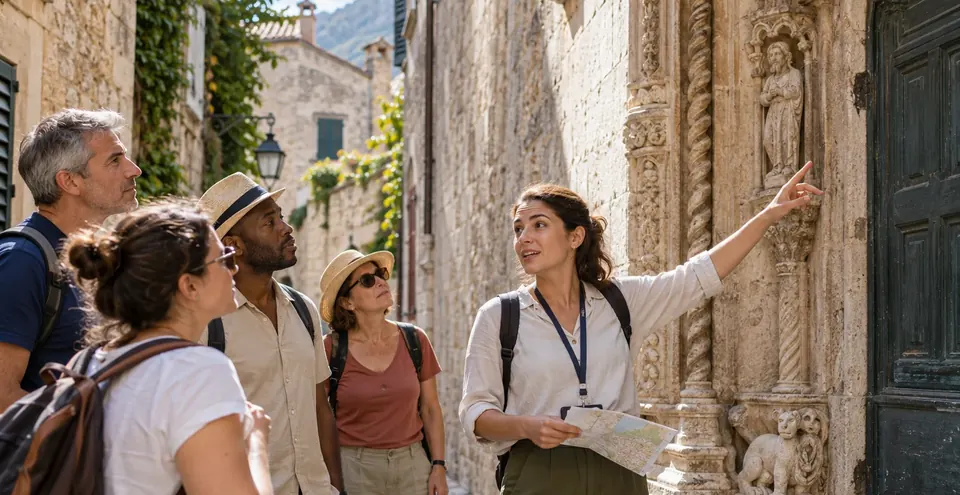
In Jamaica, seasonal holiday resort activity leader jobs exist inside all-inclusive hotels, on cruise excursions and in tour companies, where entertainers, water sports instructors, kids club leaders and guides keep guests busy. Typical tasks include beach games, evening shows, dance lessons, snorkelling, kayaking and visits to waterfalls or plantations. The best demand comes in the winter high season and school holidays. Jamaicans hold most posts, and foreign nationals need a work permit supported by the employer before accepting any paid role.
The activity scene at resorts
All-inclusive resorts along the north coast and in Negril run daily programmes. Mornings may offer aqua aerobics, volleyball, water polo and yoga, afternoons include snorkelling, paddleboards and cooking demonstrations, and evenings bring live reggae, dance nights and themed shows. Entertainment teams are usually Jamaican, and their music, humour and local stories are part of what visitors remember.
Families expect supervised children's programmes. Kids club leaders organise crafts, treasure hunts, swimming sessions and storytelling, and they must be patient with children who speak different languages. Resorts hire leaders with training in education, recreation or sport, and with first aid and lifeguard certificates. Teenagers' clubs and spa or wellness activities add other roles.
Entertainers and musicians
Reggae, dancehall, mento, ska and gospel are woven into Jamaican life. Resort bands, steel pan players, dance troupes and DJs perform at beach bars and dinners. Success depends on rehearsed repertoires, stage presence and the ability to engage guests. Musicians also work through agencies and hotel entertainment managers, usually with short contracts for the busy months.
Cruise visitors are another audience. At Falmouth, a port built for large ships, guides, drivers, entertainers and shop staff work in short, intense shifts on ship days. Teams must handle large groups, keep to strict timetables and speak clearly, as passengers return to their ship at a fixed hour. This creates part-time work for people who can adapt to changing schedules.
Wellness programmes have grown too. Resorts offer yoga on the beach, meditation, fitness classes and spa treatments, and instructors with recognised certificates can find seasonal contracts. Retreat organisers also run weeks of yoga, music or cooking classes in villas around Negril and the Blue Mountains, and they hire local instructors and cooks for those events.
Schools and community groups outside hotels also need leaders. In the long holidays, parish libraries, sports clubs and churches organise reading camps, football tournaments and cultural workshops, and youth organisations such as the Jamaica 4-H Clubs run programmes in agriculture and life skills. Many of these posts are voluntary or paid modestly, but they provide references and experience that resorts value.
Water sports, tours and attractions
Sea and river activities are central. Instructors lead snorkelling at reefs near Negril and Montego Bay, teach paddleboarding, operate glass-bottom boats and supervise banana boat rides. Rafting on the Martha Brae River in Trelawny and tours of Dunn's River Falls near Ocho Rios, Blue Hole and the Blue Mountains employ guides and drivers.
Cultural tours visit Bob Marley Museum in Kingston and Nine Mile in St Ann, plantation houses, rum distilleries and coffee farms. Guides explain history, music and food, and they are licensed or trained through the tourism authorities. Accuracy, humour and respect for the island's history, including the legacy of slavery, are essential professional qualities.
| Activity | Typical setting | Skills and papers |
|---|---|---|
| Kids club leader | All-inclusive resorts | Childcare, first aid, patience |
| Water sports instructor | Beaches, marinas | Lifeguard, boat licence, swimming |
| Tour guide | Falls, museums, farms | Tourism training, history, English |
| Entertainer or DJ | Resort stage and beach bar | Performance, stage control, music |
Local knowledge makes the difference. A guide in Port Antonio shows the Blue Lagoon and Frenchman's Cove, in Negril points out the cliffs and the sunset at Rick's Café, and in Treasure Beach describes Pelican Bar, reached by boat. Stories about fishing families, music and food connect guests to community life, and guides who share them honestly are often tipped well.
Licensing is regulated. Tour operators and guides register with the tourism authorities, vehicles are inspected, and water operators follow marine safety rules. Beaches have areas for swimming and for boats, and lifeguards carry rescue equipment. Anyone planning to lead activities should confirm which permits and insurance apply to their role before accepting work.
Night work offers another side. Hotels and beach clubs host reggae nights, fire shows, limbo contests and karaoke, and bars on the south coast run themed parties. Staff who manage lighting, sound and safety, as well as hosts who can speak to a crowd, are paid per event or per night. Alcohol rules and noise limits apply, and organisers must obtain licences from the authorities.
Environmental awareness is growing in tourism. Operators cooperate with marine parks, such as the Montego Bay Marine Park, to protect reefs, reduce plastic and teach visitors about turtles and coral. Guides trained in conservation can lead snorkelling sessions that explain the ecosystem, and some hotels hold beach clean-ups where staff and guests cooperate.
Qualifications, safety and conduct
Safety certification is vital. Lifeguard, water safety, first aid, CPR and boat operator training are expected, and many operators require them yearly. Leaders must supervise guests near water, check equipment and follow local rules for beaches and rivers. For children, resorts apply child protection policies, security checks and clear ratios of staff to children.
Employers also care about conduct. Staff are expected to be courteous, sober and respectful of guest privacy, and to keep professional distance. Dress codes, name tags and grooming standards apply. Training in customer service and sexual harassment prevention is common. Leaders must report incidents immediately through the chain of command.
Mental readiness is as important as certificates. A leader may face crowded beaches, emergencies, noisy parties and sudden weather changes, and must remain calm and cheerful. Rehearsed emergency drills, communication by radio and clear signals reduce risk. Resorts commonly hold weekly safety meetings and review incidents to improve procedures.
Work with minors requires specific safeguards. Resorts check backgrounds, supervise rosters and keep sign-in systems for children, and staff attend training on recognising abuse and handling emergencies. Leaders never take children away from the group, never meet them privately and report any concern at once. These simple rules protect everyone involved.
Pay, seasons and permits
Entertainment work is busiest in the winter season and during summer holidays. Contracts may be seasonal or for the year, with pay according to resort scales and often supplemented by service charges or tips. Staff may receive meals on duty, uniforms and transport, but these vary, so confirm them in writing.
A foreigner needs a work permit processed by the employer before starting, and not every activity post qualifies. Overseas entertainers, dive or sport specialists with rare skills have better chances. Training for residents is offered by HEART/NSTA Trust and by tourism programmes, and graduates often join resort teams as a first step.
Career progression exists in this field. A beach games host can become an entertainment supervisor, a guest relations manager or an event planner, and some leaders open their own tour companies after years of experience. Saving during peak months and investing in training, such as marketing or business management, supports that path. Mentors in the industry and associations also offer advice.
Practical points
Are kids club jobs open to foreign volunteers?
Only with proper authorisation. Resorts take child safety seriously and hire through formal processes with checks and references.
Which languages help?
English is the working language, and Spanish, French or German help with guests from other markets. Understanding Patois is an advantage for local tours.
How do I start?
Gain certificates in first aid and lifeguarding, build experience in community events or schools and apply to resort entertainment managers before the high season.
Where to find these jobs
- Tourism Product Development Company — Government agency that develops attractions and trains guides, craft sellers and performers working in the visitor economy.
- Jamaica Tourist Board — National tourism agency promoting resorts, festivals and attractions and supporting operators who employ activity leaders.
- HEART/NSTA Trust — National training agency offering certification in recreation, first aid, lifeguarding and tour guiding for aspiring leaders.
- Jamaica Hotel and Tourist Association — Industry body for resorts and attractions that promotes safety, training and employment standards in tourism.
Official and legal references
- Jamaica Information Service — Government news and information agency publishing official notices on tourism, culture, youth programmes and employment.
- Ministry of Labour and Social Security — Official source on work permits, labour law and workplace protections that apply to resort employees.