Seychelles: seasonal hotel and restaurant employment opportunities on Mahé, Praslin and La Digue
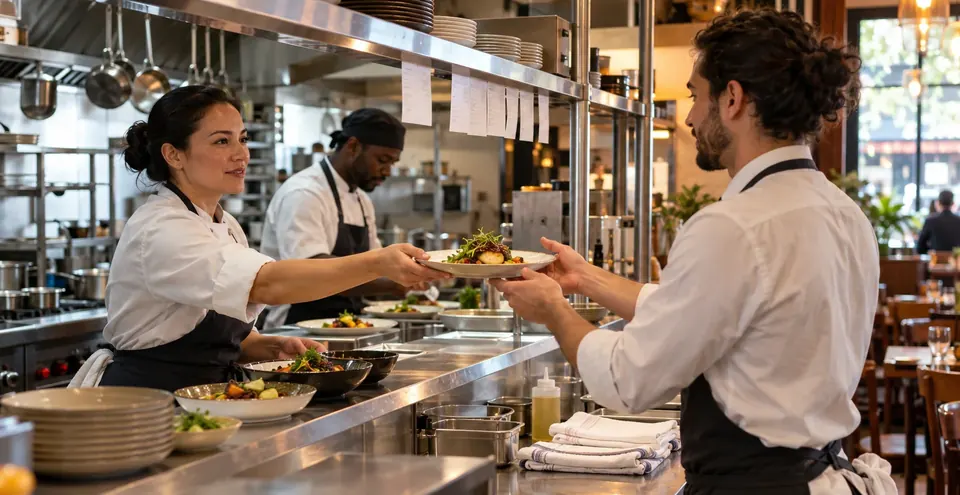
Seychelles has seasonal hotel and restaurant employment opportunities in resorts, guesthouses, villas and restaurants across Mahé, Praslin, La Digue and several outer islands. Positions include waiters, cooks, kitchen stewards, room attendants, receptionists, bartenders and spa staff, with extra hiring before the Christmas period and the European summer. Seychellois citizens hold most posts, while foreign workers need a Gainful Occupation Permit tied to one employer. Resorts on outer islands often recruit on rotating contracts that include housing, while guesthouses usually hire locally.
This page in other languages : Français
Hiring peaks and properties
Occupancy rises in two waves. December and January, when northern hemisphere guests flee winter, and July and August, when European families holiday, are the busiest periods. Hotels begin recruiting about two months ahead, and the best approach is to send applications in October for the winter wave and in April or May for the summer one. Between the peaks, managers reduce extra shifts, run training and carry out maintenance.
Mahé holds the largest concentration of properties. Large resorts line the north-west coast near Beau Vallon and Glacis, boutique hotels cluster at Anse Royale and Baie Lazare in the south, and Victoria has city hotels and a wide choice of cafés. Praslin has resorts and guesthouses around Anse Volbert, Anse Lazio and Grand Anse, and La Digue's small guesthouses are family businesses that welcome guests arriving by ferry.
Outer islands offer a different model. Desroches, Alphonse, Denis, Frégate and North Island host luxury lodges that fly in guests and staff, and they recruit through central offices rather than at the door. Contracts may run for several months with housing, meals and flights provided, and staff live on site. The work suits people comfortable with isolation and long days, and applicants usually need specialist training or strong references.
Seychelles hotels recruit through several routes. Larger groups manage human-resources offices that receive applications by email, small guesthouse owners rely on word of mouth, and the training academy helps place graduates. Because the population is small, managers often know applicants by reputation, and a personal recommendation from a former employer can decide between two similar candidates. Foreign applicants should expect longer processes because permits must be approved first.
Cultural events add short bursts of catering work. Festival Kreol in October fills restaurants with live music, the Assumption celebrations on La Digue in August bring crowds to the island's small cafés, and the national day celebrations on the twenty-ninth of June create demand for outdoor food stalls and event bartenders. Seychelles hotels often host themed Creole buffet nights during these periods, which require extra cooks, servers and musicians.
Roles, skills and languages
Kitchens prepare fish, seafood, curries, coconut-based sauces and international menus, so cooks who understand grilling, curry bases and fresh fish handling are valued. Servers and runners manage dining rooms and beach service, and bar teams make cocktails with local rum and fruit. Housekeeping staff prepare rooms and villas, and front-desk teams handle arrivals, excursion bookings and guest enquiries.
| Role | Typical season | Main zones |
|---|---|---|
| Cook and kitchen steward | December to January, July to August | Resorts on Mahé and Praslin |
| Waiter and bartender | Peak months and event weeks | Beau Vallon, Anse Volbert, La Digue |
| Room attendant | Peak months | Hotels, villas and guesthouses |
| Receptionist | Peak months | Larger hotels and lodges |
| Island lodge staff | Rotating contracts | Desroches, Alphonse, Denis, Frégate |
Speaking several languages is a clear asset in Seychelles hotels. Creole is spoken among colleagues, while English and French dominate guest contact. Visitors from Germany, Italy, Russia, the Gulf and India are common, and staff who speak these languages or understand their food customs are in demand. Employers expect smart presentation, politeness and calm under pressure, and certificates from hospitality schools improve prospects.
Training is available locally. The Seychelles Tourism Academy offers courses in food and beverage, accommodation and culinary arts, and short programmes in customer care or first aid supplement them. Employers sometimes sponsor staff for further study, and a graduate who combines a diploma with practical experience can progress faster to supervisory roles.
Dining culture in Seychelles blends African, Indian, Chinese and French influences. Cooks prepare grilled fish with lemon and chilli, octopus curry, fish soup, breadfruit chips and sauces made from coconut milk, and desserts such as banana tart. Staff who learn these recipes, understand allergen needs and serve with warmth find that guests remember them in reviews and recommendations. Cooking skills are often passed down informally, so shadowing a senior cook is common.
Pay, housing and conditions
Pay follows the employer's scale and the national minimum wage, and should be confirmed in a written contract. Service charge or tips may be added in some properties, but practice varies, so ask how any pool is distributed. Overtime, rest days and public holidays are governed by employment law, and hours in the peak months can be long. Keep a record of shifts to check the payslip.
Housing is a major cost. Rents on Mahé, Praslin and La Digue can be high, especially close to beaches, and many workers share houses or live with family. Some hotels provide accommodation or transport, and outer-island lodges include housing in the contract. Public buses run on Mahé and Praslin but may end early, so late shifts require a lift or a taxi.
Remote locations require preparation. On outer islands, staff have limited shops, restricted internet and strict rules on wildlife and environmental protection. Health services are on the main islands, with emergencies handled by air transfer. Ask about medical cover and rest days before accepting a long contract far from home.
Tourism employers also hire for less visible functions that keep a property running. Laundry teams, gardeners, maintenance technicians, drivers, night security guards and storekeepers are required on every site, and many of these posts offer more regular hours than guest-facing roles. A worker who prefers stability over tips may find these positions suit better, and some staff transfer to guest service after a year.
Permits and rights
Foreign workers need a Gainful Occupation Permit before starting, and the employer normally submits the application. Authorities check that the post cannot be filled by a Seychellois worker, and permit holders may work only for the named employer. Keep copies of the approval, your passport and your contract. Workers who change employers require a new permit.
Complaints about unpaid wages, unsafe conditions or unfair dismissal can go to the employment authority and, if unresolved, to the tribunal that handles labour matters. Trade unions exist in the tourism sector, and the hospitality association can advise employers on good practice. Documentation, including emails and payslips, helps in any dispute.
- Verify the employer's registration and ask for the permit procedure in writing.
- Check whether meals, uniforms and transfers are provided and whether any cost is deducted.
- Confirm health insurance and the arrangements for leave on remote islands.
Frequently asked questions
Which islands have the most hotel jobs?
Mahé has the most, followed by Praslin and La Digue. Outer-island resorts employ smaller teams on rotating contracts. Guesthouses on all three main islands hire locally and often prefer applicants known to the community.
Seychelles: is experience necessary?
Entry-level roles accept motivated newcomers, particularly locals trained at the Tourism Academy. Skilled roles such as chef de partie, sous-chef and front-office supervisor require experience. Foreign applicants are typically considered only for specialist posts.
Seychelles: are tips important?
Tips and service charge arrangements vary. Some properties share a charge among staff, while others rely on basic wages. Ask about the practice at each employer and treat any extra as a bonus rather than the main income.
Where to find these jobs
- Seychelles Tourism Board — National agency promoting Seychelles as a destination and publishing guidelines and statistics that shape hotel and restaurant hiring.
- Seychelles Hospitality and Tourism Association — Association of hotels, guesthouses and restaurants that represents employers and promotes training and standards in the sector.
- Seychelles Tourism Academy — Training institution teaching culinary arts, food and beverage service and accommodation management to future hospitality workers.
- Employment Department — Government office responsible for labour standards, worker complaints and information on permits for foreign employees.
Official and legal references
- Government of Seychelles — Official portal with information on ministries, employment, immigration and services available to workers and employers.
- Seychelles Tourism Board — Official tourism site describing accommodation areas, restaurants, events and the seasons that shape staffing.