Kiribati: seasonal holiday resort activity leader jobs in fishing, diving, youth and heritage tours
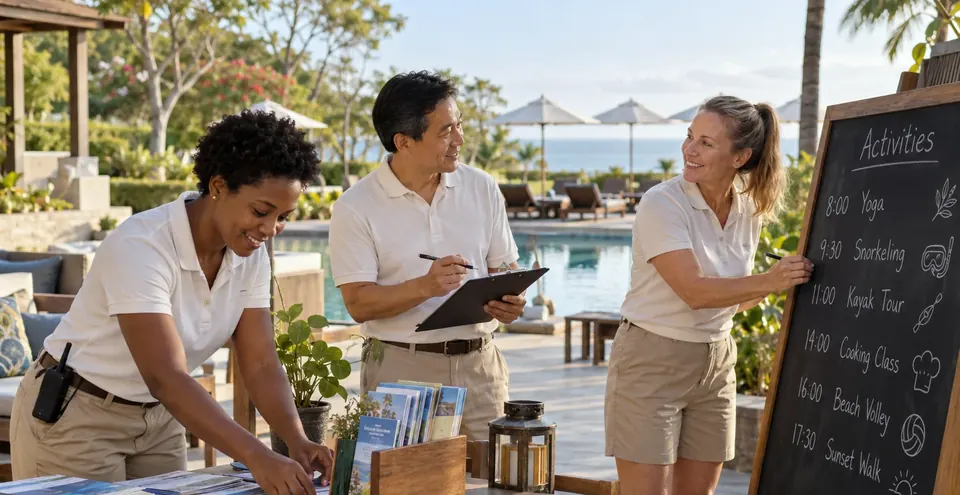
In Kiribati, seasonal holiday resort activity leader jobs are few and specialised, since the islands have no large resorts or children's clubs. Work is found with fishing lodges on Kiritimati, dive operators, guesthouses, schools, churches and cultural groups, where guides, boat captains, youth leaders and heritage hosts run activities for small numbers of visitors. Skills in boat handling, first aid, languages and local culture matter most. Leaders must follow child protection practice, and any foreign national needs a permit sponsored by the employer.
What activity work means on the atolls
Visitors come mainly for sport fishing, for the Second World War heritage of Tarawa, for diving and snorkelling, and for the experience of living on a remote coral island. The leader's role is therefore practical and personal. A guide walks visitors through the Betio battlefield, an angler's boatman reads tides on the flats, and a host introduces the family at a village feast.
Because operations are small, a leader often does many tasks at once: driving, cooking, teaching, translating and managing safety. Pay is modest and conditions simple, but visitors remember sincere welcome more than polish. Guests expect a quiet, respectful experience that follows island rhythm and custom rather than an entertainment programme.
Heritage of Betio and Tarawa
The battle of Tarawa in 1943 left bunkers, wrecked landing craft, memorials and a large Japanese gun on Betio. Guides explain what happened with care, since families lost relatives and the sites hold sensitive memories. Visitors from the United States, Japan and the Pacific region come to pay respects, and a guide needs accurate history and gentle manners.
Language skills are central. English is the working language for most visitors, and Japanese is useful for some tours linked to the war history, while Gilbertese opens doors in villages. A leader who learns the local names of fish, tides and winds, and who can teach a few words to guests, gives the visit depth and lasting memory.
Photography and etiquette need attention. Always ask before photographing people, especially in churches and meeting houses, and never enter a maneaba without invitation. Shoes are removed, and one sits on mats with feet tucked away. Leaders brief guests on these rules before the visit so that nobody gives offence, and this courtesy is a core part of professional guiding.
Kiribati hosts are proud of their culture, and a programme that includes string figures, coconut leaf weaving, the preparation of toddy and the telling of legends can be moving. The leader's task is to arrange such moments with the consent of the community, to pay hosts fairly and to avoid turning sacred knowledge into a commodity.
Fishing, boats and the sea
Bonefishing at Kiritimati and Tabuaeran is the best developed activity. Anglers wade the flats for bonefish, giant trevally and triggerfish, guided by local men who know every channel. A guide must keep the boat safe in tidal currents, understand the rules for catch and release, carry radios and first aid supplies, and look after guests who may be unused to heat and glare.
Diving operators in Tarawa offer reef and wreck dives, and lodges provide snorkelling in the lagoon. Instructors need international certification, rescue and oxygen training and experience of local conditions. Sea turtles, sharks and rays are protected in some areas, and the Phoenix Islands Protected Area, a vast marine reserve, is visited only through special expeditions with permits.
| Activity | Setting | Skills and papers |
|---|---|---|
| Bonefishing guide | Kiritimati flats | Boat skills, tide knowledge, English |
| Dive guide | Tarawa reefs and wrecks | Certification, rescue, first aid |
| Heritage guide | Betio battle sites | Accurate history, courtesy |
| Youth leader | Schools and churches | References, first aid, patience |
Equipment is costly and hard to replace. Rods, reels, flies, outboard motors, tanks and radios arrive by air freight or ship, and a single failure can end a trip. A good guide carries spares, knows basic repairs and plans each outing with a margin of safety. Fuel supply is sometimes uncertain, which adds to the need for careful scheduling.
Sustainability matters. Bonefish stocks and reef health depend on careful handling, barbless hooks, quick release and limits on trips, and responsible lodges cooperate with island councils on rules. A guide trained in marine conservation can explain these measures to guests, who increasingly ask about environmental practice in Kiribati and elsewhere.
Youth, culture and community
Holiday periods bring programmes for young people organised by schools, churches and sports bodies. Volleyball, football, canoe races, singing, dance and craft sessions are popular. Many leaders are teachers or senior students, and visiting volunteers help with English, music or sport under the guidance of the host institution. Competitions of traditional dance, with graceful arm movements and chanting, are a highlight.
Anyone working with children must protect them. Know who is responsible for each child, never be alone with a child away from the group, and report concerns to the school or church head. Organisers should check references, hold briefings on safeguarding and keep parents informed. Swimming sessions need qualified lifesavers because currents are strong at channel entrances.
Sports tournaments are a pillar of island life. Football, volleyball, softball and traditional sports bring villages together, and umpires, coaches and organisers are always needed. Youth leaders who run training sessions for children after school or in the holidays gain respect, and their experience counts when they seek paid jobs in education, tourism or the public service.
Relationships with village councils are important. A programme planned without the council's blessing may collapse, whereas one introduced through the island leaders is supported with food, labour and goodwill. Respect, patience and gifts of rice or tobacco at the first meeting are customary and open many doors.
Permits, pay and preparation
Paid roles for non-citizens require a work permit linked to the employer, and visitors may not work on a tourist entry. Pay is set by the operator and may include meals, lodging and a share of tips from anglers or divers. Always ask for terms in writing, including insurance, medical evacuation and the return journey, since clinics are limited and flights are infrequent.
Prepare with first aid and lifeguard training, learn greetings in Gilbertese and study the local history. Pack sun protection, reef sandals, a mask and spare gear, since shops on the islands rarely stock such items. Above all, bring patience and humility. Leaders who listen to elders and share the daily routine earn respect and recommendations from one season to the next.
Evacuation planning deserves a separate note. Kiritimati and the outer islands lie hours by air from Tarawa, and serious cases are flown to Fiji or Australia. Operators should hold written emergency plans, satellite or radio communications and an agreed list of contacts, and each leader must know the procedure before taking any guest out of sight of the shore.
Reputation travels quickly. A guide who treats guests and villagers well becomes a valued partner, and operators recommend such people to colleagues in other lodges. Keeping logs, thanking hosts and sending small gifts of photographs or notes after a trip builds the kind of trust that secures work in the following seasons.
Practical questions
Are there resort entertainment teams?
No. Guests are few and lodges run simple programmes with local hosts, cultural evenings and fishing trips, so the work is more personal than theatrical.
Can foreign volunteers lead activities?
Sometimes, under a recognised organisation and with immigration clearance. Contact the host first and agree the role, dates and conditions in writing.
Which qualifications help most?
First aid, lifesaving, dive certificates, boat licences, languages and knowledge of local history. References from earlier organisers also count.
Where to find these jobs
- Kiribati Tourism Authority — National tourism body that promotes fishing, diving and heritage visits and supports lodges, guides and local operators.
- Kiribati Institute of Technology — Public technical institution in Betio offering vocational courses useful for guides, boat operators and community workers.
- Kiribati Red Cross Society — Humanitarian organisation delivering first aid and water safety training and youth volunteer programmes across the islands.
- Ministry of Employment and Human Resources — Government ministry in Tarawa dealing with labour matters, work permits and training for workers in all sectors.
Official and legal references
- Pacific Community — Regional organisation publishing information on culture, youth, tourism and labour mobility in Pacific island countries.
- International Labour Organization — United Nations agency setting international labour standards and offering guidance on contracts, safety and workers rights.