Papua New Guinea: fruit and vegetable picking jobs on plantations, smallholdings and highland farms
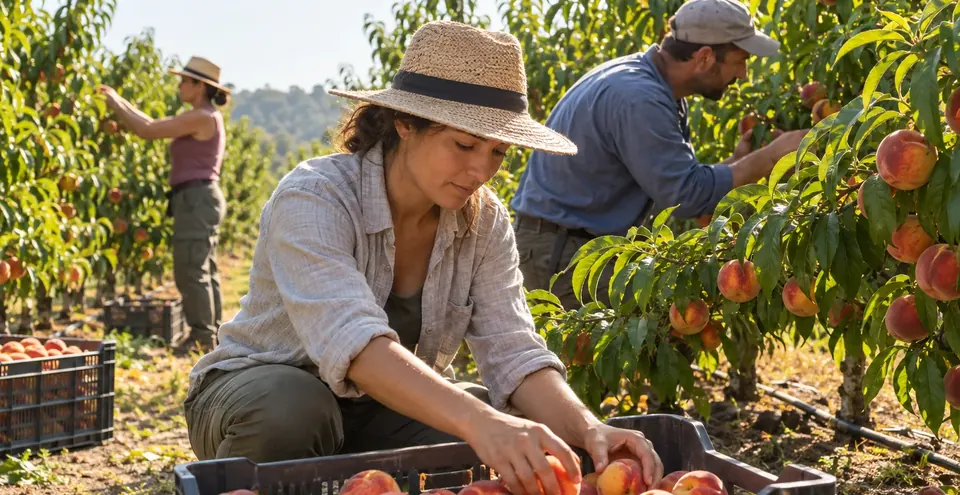
In Papua New Guinea, fruit and vegetable picking jobs are mostly informal work on family gardens and smallholdings, supplemented by plantation labour for export crops. The highlands grow sweet potato, greens, tomatoes and highland vegetables for the markets of Goroka, Mount Hagen and Lae, while the lowlands and islands supply bananas, pineapples, coconuts and tropical fruit. Coffee, cocoa and oil palm are the main cash crops. Foreign nationals need a work permit and are rarely recruited for picking, since local labour is abundant.
Crops and farming regions
The highlands, at cool altitude with fertile volcanic soil, produce the country's best-known vegetables. Sweet potato, known locally as kaukau, is the staple, alongside cabbage, carrots, tomatoes, beans, broccoli, cauliflower and leafy greens that are sold in large town markets and trucked to Lae, Madang and Port Moresby along the Highlands Highway.
In the lowlands and islands, the picture changes. Banana, plantain, taro, yam, cassava, sago, pineapple, papaya, mango, coconut and breadfruit grow in gardens and around villages. Coastal areas near Port Moresby and the Central province supply vegetables to the capital, and East Sepik is known for vanilla, while Milne Bay and the islands rely on coconut and cocoa.
| Crop | Main areas | Work involved |
|---|---|---|
| Highland vegetables | Eastern and Western Highlands, Chimbu, Jiwaka | Weeding, picking, bundling, carrying to market |
| Coffee cherries | Highland provinces | Hand picking, sorting, delivery to buyers |
| Cocoa pods | East New Britain, Bougainville | Cutting pods, fermenting, drying |
| Coconut and tropical fruit | Islands and coastal provinces | Collecting, husking, drying copra |
Because rainfall is spread widely, many gardens produce food continuously, and there is no single short picking season. Market gardens are planted in succession so that crops ripen week after week. Seasonal peaks occur for coffee in the middle of the year and for certain fruits that follow the rains, and the exact timing varies between valleys and islands.
Markets are the heart of fresh produce trade. In Goroka, Mount Hagen and Lae, sellers arrive before dawn, lay produce on tarpaulins and sell by the heap or bundle rather than by the kilogram. Buyers from hotels and restaurants also visit, and growers with reliable quality build lasting relationships that give steady work to helpers who sort, wash and carry.
How the work is organised and paid
The land is held mostly under customary ownership by clans and families, and farming is a household activity. Relatives and neighbours help each other during planting and harvest, and reciprocal labour is common. Many sellers are women who carry produce to the market by foot, bus or truck, and market days are an important part of village economic life.
Wages and piece rates
Paid labour exists on plantations and for larger growers. Coffee is often bought by weight or by bag from smallholders, while hired pickers may be paid by the day or by the quantity picked, depending on the grower. Rates vary by region and employer, and the legal minimum wage applies to formal employment. Ask for the rate before you begin and confirm it in writing.
Oil palm estates in West New Britain and Oro employ cutters, loaders and transport crews all year, and some outgrowers hire seasonal helpers in addition to family labour. The work is heavy, with fruit bunches that weigh a great deal, and payment is often linked to the number of bunches cut. Estates provide training on safe handling of knives and equipment.
Coffee deserves special mention. Smallholders pick red cherries by hand, pulp them, ferment and dry the parchment, and sell it to buyers and exporters. The main picking period runs through the middle of the year, and families work together. Hired pickers may be paid by the bag or by the day, and the quality of picking affects the price paid.
Conditions, health and housing
Fieldwork is physical and often wet. Highland mornings are cold, and rain showers arrive suddenly, so waterproof clothing and boots are useful. In the lowlands, heat and humidity are intense, and workers need shade breaks and plenty of water. Cuts and bites should be cleaned at once, and tetanus protection should be up to date.
Malaria is a significant risk in many lowland areas, and prevention should be discussed with a doctor before arrival. Pesticide use differs between farms, and workers should ask which chemicals are applied, whether protective gear is available and when fields were sprayed. Clean drinking water should be carried, as sources in rural areas may not be safe.
Housing is usually simple. Plantations may offer worker camps with shared rooms, while smallholders house helpers with their families or in village houses. Facilities vary widely, so ask about water, cooking arrangements, security and distance to the nearest clinic. Visitors should respect local customs and ask permission before entering a garden or photographing people.
Cocoa work is different. Pods are cut from the trees, split open and the beans are fermented in boxes or heaps and dried in the sun or in dryers. East New Britain and Bougainville are important areas, and the work requires care and patience. Training from extension officers helps growers improve quality and obtain better prices from buyers.
Legal framework and recruitment
Citizens may work in agriculture subject to employment rules and age limits. Employers must respect national standards for pay, hours and safety, and the Department of Labour and Industrial Relations deals with complaints. Child labour in hazardous tasks is not acceptable, and families should keep children in school instead of sending them to heavy harvest work.
A foreign national needs a visa and a work permit tied to a named employer, and such permits are rarely issued for picking jobs because many local workers are available. Visitors sometimes join farms as volunteers, but unpaid work in exchange for lodging can still require authorisation. The authorities should be asked before any arrangement is made.
Papua New Guineans interested in seasonal farm work abroad should rely only on official channels. Government-managed labour mobility programmes with Australia have their own selection and pre-departure steps, and agents who ask for money in advance should be checked with the labour department. A written contract with the employer, the pay rate and the return plan is essential.
Safety equipment is often limited. Machetes, bush knives and long harvesting poles are standard tools, and accidents happen when workers are tired or inexperienced. Ask for training before using a blade, wear closed shoes and keep a first aid kit within reach. In remote areas, plan how an injured worker would reach a clinic.
Frequently asked questions
Can I pick coffee for pay as a visitor?
Not legally unless you hold the right visa and permit, and these are rarely issued for picking. Coffee harvest work is done mainly by local families and smallholders, and growers prefer people from nearby communities who know the plots. Visiting growers as a guest or researcher is a different matter and should be arranged with the owners first.
Which months are best for farm work?
It depends on the crop. Coffee in the highlands peaks in the middle of the year, oil palm runs all year, and vegetables are planted in succession. The drier months from May to October are generally easier for travel and field work on the southern coast.
How can I learn about farming in Papua New Guinea?
The National Agricultural Research Institute publishes research on crops and farming systems, and industry bodies for coffee, cocoa and oil palm provide extension advice to growers. Contact them for information on training, field days and visits to demonstration farms. A visit to a regional office can open doors to field days and growers' groups.
Where to find these jobs
- National Agricultural Research Institute — National research body that studies crops and farming systems and supports growers with advice and training.
- Coffee Industry Corporation — Statutory body that supports coffee growers, quality control and marketing in the highland provinces.
- Cocoa Coconut Institute — Research and extension organisation that helps cocoa and coconut growers in the islands and coastal areas.
- Oil Palm Industry Corporation — Body that supports oil palm smallholders and regulates the industry in West New Britain and Oro.
Official and legal references
- National Agricultural Research Institute — Institutional site with research reports and information on crops, soils and farming systems.
- Investment Promotion Authority — Government agency that registers businesses, including agricultural companies and plantations.